SAEDNEWS: The Valley of the Kings is an ancient royal burial site in Egypt, where New Kingdom pharaohs were buried between the 16th and 11th centuries BC. It is located on the west bank of the Nile near Luxor.
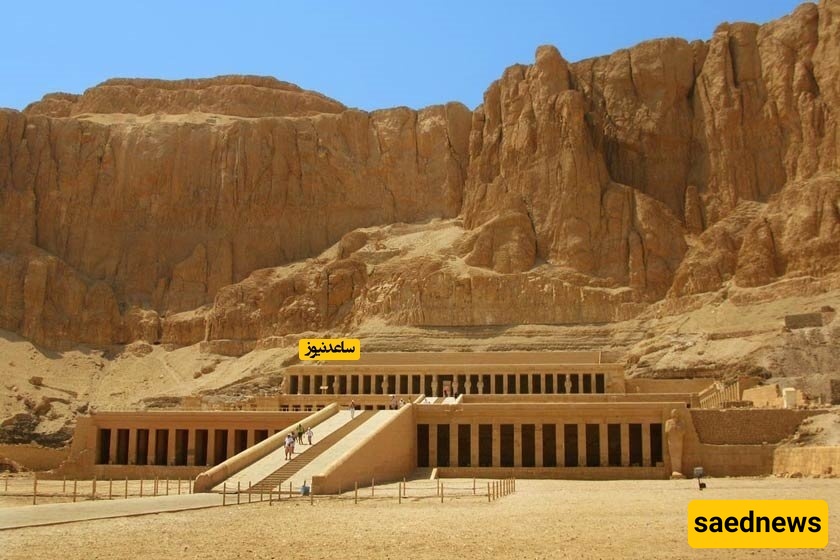
According to Saednews, The Valley of the Kings (Arabic: Wadi al-Muluk) is an ancient valley in Egypt that served as the royal burial ground for the pharaohs during the New Kingdom period of Ancient Egypt. It is located on the west bank of the Nile River, opposite the ancient city of Thebes (modern-day Luxor). Among its most famous tombs is that of Tutankhamun, along with the burial places of many royal family members, including several sons of Amenhotep III.
Following the unification of Egypt, the civilization entered the era known as the New Kingdom, a period marked by extraordinary wealth, military power, and cultural achievement. During this time, the pharaohs sought more elaborate and secure burial places that reflected their authority and divine status. As a result, they began constructing monumental rock-cut tombs in what became the Valley of the Kings.
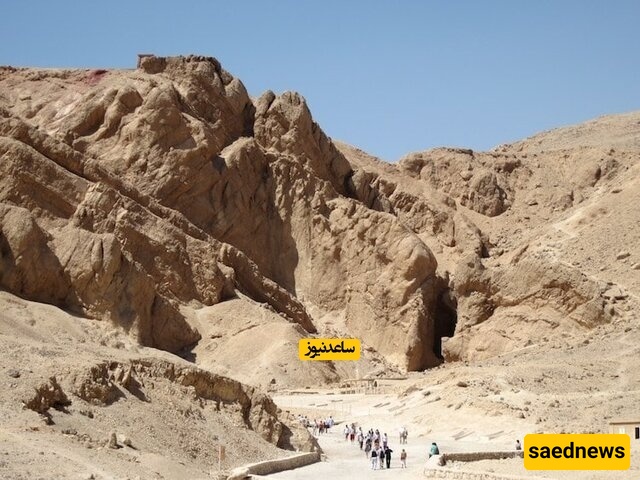
Situated behind the Theban Hills, the valley offered an ideal location for royal burials. The tombs were carved deep into the limestone cliffs, providing ample space for burial chambers filled with treasures, furniture, and everyday items believed to be necessary for the afterlife. Its remote setting also helped protect the royal tombs from grave robbers, although many were eventually looted over the centuries.
Archaeologists have identified 63 tombs in the valley. These tombs vary greatly in size and design. Some consist of a single burial chamber, while others contain more than 120 corridors and rooms, showcasing remarkable architectural diversity and craftsmanship.
Although many valuable treasures were stolen long ago, the surviving wall paintings and decorations continue to demonstrate the artistic excellence and political power of Egypt's pharaohs.
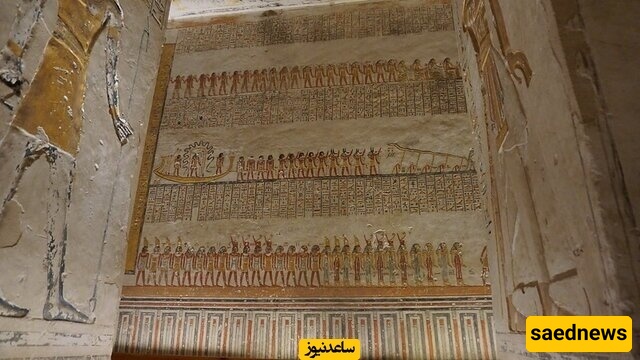
The burial chambers are richly decorated with ancient religious texts and scenes intended to guide the deceased through the afterlife. Many walls feature illustrations from sacred funerary works such as the Book of Gates, the Book of Caverns, and the Book of the Earth. These texts were believed to help the pharaoh safely journey through the underworld and achieve eternal life.
The Eastern Valley contains the majority of the royal tombs and is the most visited section of the Valley of the Kings.
One of its largest tombs belongs to the sons of Ramesses II. Although only part of the tomb has been excavated, experts believe that at least four of Ramesses II's approximately 52 sons were buried there. In 2006, archaeologists confirmed that this remarkable complex contains around 200 corridors and chambers, making it one of the most intricate tombs in the valley. Like many others, it was heavily looted in ancient times.
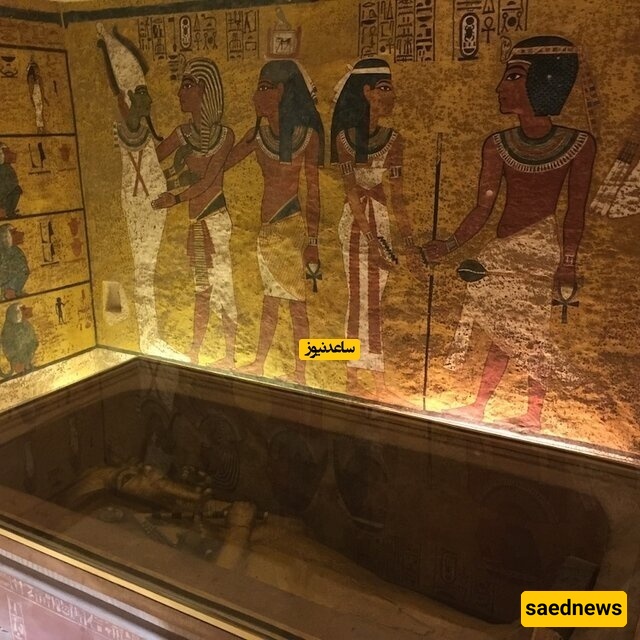
The most famous tomb in the valley is that of Tutankhamun. Despite its worldwide fame, the tomb is relatively small. Egyptologists believe that because Tutankhamun died unexpectedly at the age of 18 or 19, he was buried in a tomb that had not originally been intended for him. Nevertheless, its discovery became one of the greatest archaeological finds in history because it contained an extraordinary collection of well-preserved treasures.
Only four tombs have been identified in the Western Valley, making it a much less visited area.
The tomb of Amenhotep III is particularly unique. In addition to housing the pharaoh's burial chamber, it also includes two halls believed to have been dedicated to his queens, making it an unusual example among the royal tombs.
Near the Valley of the Kings lies another royal burial site known as the Valley of the Queens, where the wives and children of the pharaohs were buried.
Like the royal tombs, these burial chambers were carved directly into the rock. More than 100 tombs have been discovered in this cemetery. The most famous belongs to Queen Nefertari, the beloved wife of Ramesses II, renowned for its magnificent wall paintings and exceptional state of preservation.
The Valley of the Kings is one of Egypt's most significant archaeological and historical sites. Located near the Nile River on the west bank opposite Luxor, it served as the royal cemetery of the New Kingdom pharaohs. With its impressive rock-cut tombs, intricate religious artwork, and world-famous discoveries such as the tomb of Tutankhamun, the valley remains one of the greatest treasures of ancient Egyptian civilization and a lasting symbol of its cultural and architectural achievements.