SAEDNEWS: Himeji Castle is one of Japan’s most prominent and beautiful castles, located in the city of Himeji. With its rich history and breathtaking architecture, the castle has become a symbol of power, elegance, and cultural heritage in Japan.
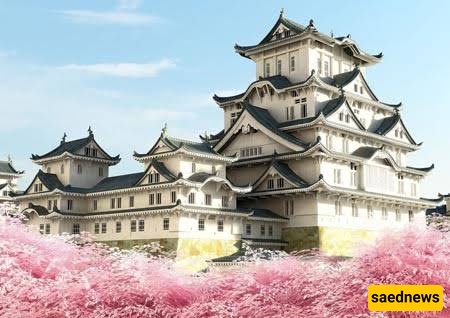
According to Saednews, Himeji Castle is the largest and most visited castle in Japan. With its elegant white exterior, the castle resembles a bird spreading its wings and preparing to fly. This magnificent structure is undoubtedly one of Japan’s most important historical landmarks and attracts visitors from around the world.
Located in Himeji City, Hyogo Prefecture, Himeji Castle is one of the finest surviving examples of early 17th-century Japanese castle architecture. The area where the castle stands has been an important transportation hub in western Japan since ancient times. The entire castle complex covers approximately 107 hectares and is built on top of a hill in the center of the Harima Plain.
The castle grounds contain 82 different structures, including corridors, gates, towers, and rooms, many of which are designated as National Treasures of Japan. Because of its elevated position, Himeji Castle can be seen from many parts of the city, making it a symbol of Himeji and its most famous attraction.
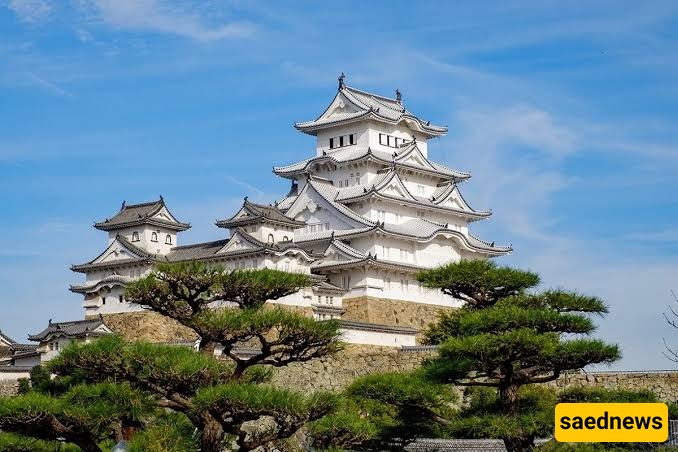
The origins of Himeji Castle date back to 1333, when the ruler of Himeji ordered its construction. Although it was initially intended as a residence, the castle was primarily designed as a defensive fortress. For this reason, it included advanced defensive features such as hidden chambers, weapon storage areas, and complex protection systems.
The surrounding landscape adds even more beauty to the castle. Trees around the fortress create stunning scenery throughout the year, with each season offering a different view of this historic landmark.
During the cherry blossom season in spring, Himeji Castle becomes one of the most breathtaking sights in Japan. The combination of the white castle walls and pink cherry blossoms creates unforgettable views. Because of this, thousands of visitors come during mid-April to experience the castle at its most beautiful, making it one of the busiest times of the year.
Himeji Castle has been listed as a UNESCO World Heritage Site since 1993. It is considered one of the most significant castles in Japan, along with Matsumoto Castle and Kumamoto Castle.
The central area surrounded by the castle’s moats is recognized as an important historical site, and five structures within the castle complex are classified as National Treasures.
Despite experiencing many conflicts and political struggles throughout its history, Himeji Castle has survived almost completely intact. Numerous battles were fought over control of the fortress, but it avoided major destruction. Eventually, it came under the ownership of the Tadasumi family and later became government property during the Meiji Restoration.
The castle underwent extensive restoration for many years. During this process, all of its major buildings were carefully repaired, and even the previously gray roof tiles were restored to their original bright appearance. After the restoration project was completed, the castle reopened to visitors in 2015.
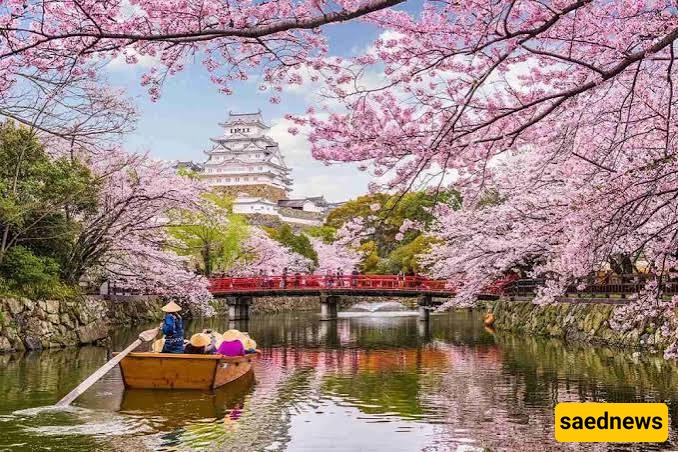
Himeji Castle is mainly constructed from wood and stone, materials that give it a unique historical charm. Inside the castle, visitors can see wooden corridors, traditional Japanese walls, and tatami flooring that beautifully represent Japan’s ancient architectural style.
The main keep of the castle has six floors. Visitors who climb the steep stairways are rewarded with spectacular views over Himeji City.
The first floor covers about 554 square meters and contains 330 traditional tatami mats. Along the walls are numerous weapon racks displaying historical defensive equipment, including firearms and spears. The castle once contained around 280 guns and 90 spears.
The second floor covers approximately 550 square meters, the third floor about 440 square meters, and the fourth floor around 240 square meters.
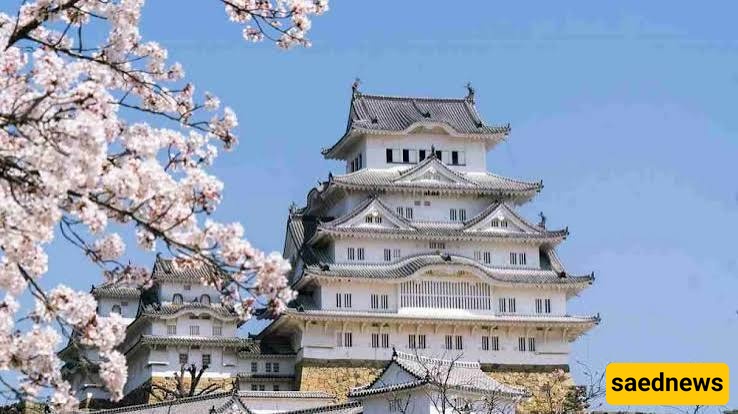
On the third and fourth floors, platforms near the windows were used by defenders to throw weapons and projectiles at attackers. These defensive designs helped Himeji Castle remain standing for centuries. The fortress also contains hidden rooms where defenders could hide and launch surprise attacks against enemies who entered the castle.
The final floor, the sixth level, covers about 115 square meters. Today, iron frames have been added to protect its windows while preserving the historic structure.
Traveling from Tokyo to Himeji Castle is convenient. Visitors can take the high-speed Hikari Shinkansen train and reach Himeji in less than four hours. Traveling by regular trains takes longer, usually around eight hours.
With its impressive architecture, fascinating history, and stunning seasonal scenery, Himeji Castle remains one of Japan’s most remarkable cultural treasures and a must-see destination for anyone exploring the country.