SAEDNEWS: Blood Falls is one of Antarctica’s most fascinating natural wonders. Known for its striking red color, this unique waterfall has captured the attention of scientists and visitors alike. Here are its most remarkable features and what makes it such an extraordinary natural phenomenon.
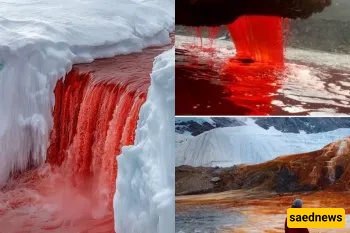
According to Saednews, Blood Falls is one of the most fascinating natural wonders in Antarctica. Unlike an ordinary waterfall, it is a stream of extremely salty, iron-rich water that flows from beneath the Taylor Glacier into Lake Bonney. Its striking deep red color has made it one of the most unusual geological features on Earth.
Although it appears as though blood is flowing from the glacier, the red color is entirely natural. It is caused by iron in the water reacting with oxygen when it reaches the surface, creating iron oxide—the same compound responsible for the reddish color of rust.
Blood Falls is a unique outflow of ancient brine that emerges from beneath Taylor Glacier in Antarctica's McMurdo Dry Valleys. The water originates from a subglacial reservoir that has remained isolated beneath thick ice for millions of years.
The brine contains exceptionally high concentrations of dissolved salts and iron. Because of its high salinity, the water remains liquid even in Antarctica's freezing temperatures. When the iron-rich water reaches the surface and comes into contact with oxygen, it oxidizes, producing the waterfall's distinctive crimson appearance.
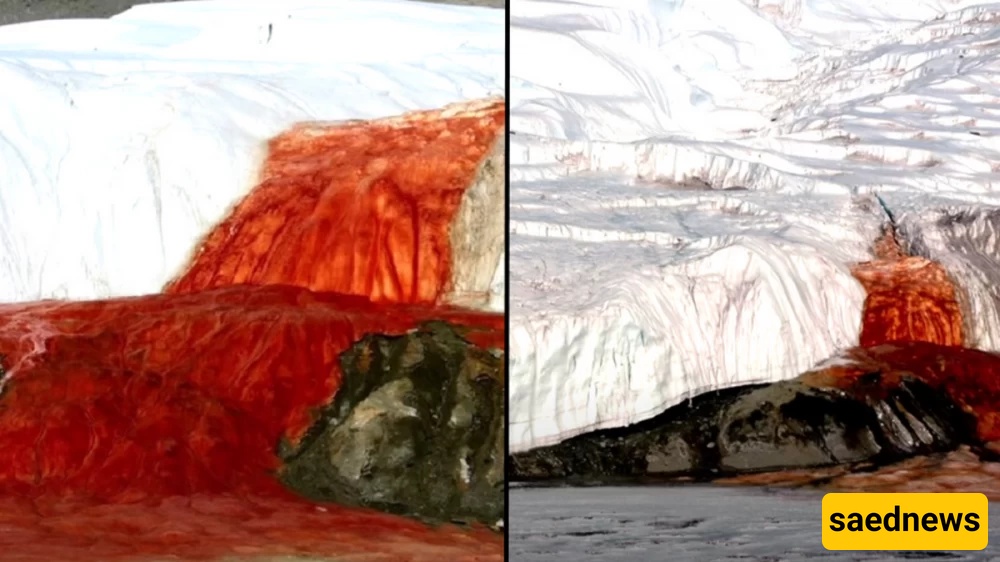
Blood Falls was first documented in 1911 by Australian geologist Thomas Griffith Taylor during an Antarctic expedition. The glacier from which the waterfall emerges was later named Taylor Glacier in his honor.
Early researchers believed that microscopic red algae were responsible for the unusual color. However, scientific investigations later confirmed that the red coloration results from iron oxidation rather than biological pigments.
The vivid red color is produced through a simple natural chemical process:
Ancient groundwater beneath the glacier contains large amounts of dissolved iron.
The water flows through cracks in the glacier to the surface.
Once exposed to oxygen in the air, the iron oxidizes.
Iron oxide forms, giving the flowing water its characteristic blood-red appearance.
This process is similar to the way metal rusts after exposure to air and moisture.
Blood Falls is located at the terminus of Taylor Glacier in the McMurdo Dry Valleys of East Antarctica, where it flows into Lake Bonney.
The McMurdo Dry Valleys are among the driest and coldest deserts on Earth. Their harsh environment, extremely low precipitation, and permanently frozen landscape make them one of the most scientifically valuable regions in Antarctica.
Scientists have discovered that Blood Falls is supplied by a deep underground reservoir of ancient brine trapped beneath the glacier. This water has been isolated from the atmosphere for an exceptionally long period and contains high concentrations of salt, iron, and other dissolved minerals.
Because the brine is much saltier than seawater, its freezing point is significantly lower, allowing it to remain liquid beneath the glacier despite the extreme cold.
Blood Falls has become an important natural laboratory for researchers studying Earth's extreme environments.
Scientists investigate the site to better understand:
Life in extreme cold and oxygen-poor environments.
The movement of subglacial water beneath massive ice sheets.
Ancient climate conditions preserved beneath Antarctic ice.
Chemical reactions occurring beneath glaciers.
The possibility of microbial life in similar environments on icy worlds such as Mars and Jupiter's moon Europa.
The waterfall provides valuable insights into ecosystems that exist without sunlight and survive through chemical energy rather than photosynthesis.
Although Antarctica receives only a limited number of visitors each year, Blood Falls is considered one of the continent's most remarkable natural attractions. Access is highly restricted and generally available only through scientific expeditions or specialized Antarctic tours.
Its dramatic appearance against the white ice makes it one of the most photographed natural features in Antarctica.
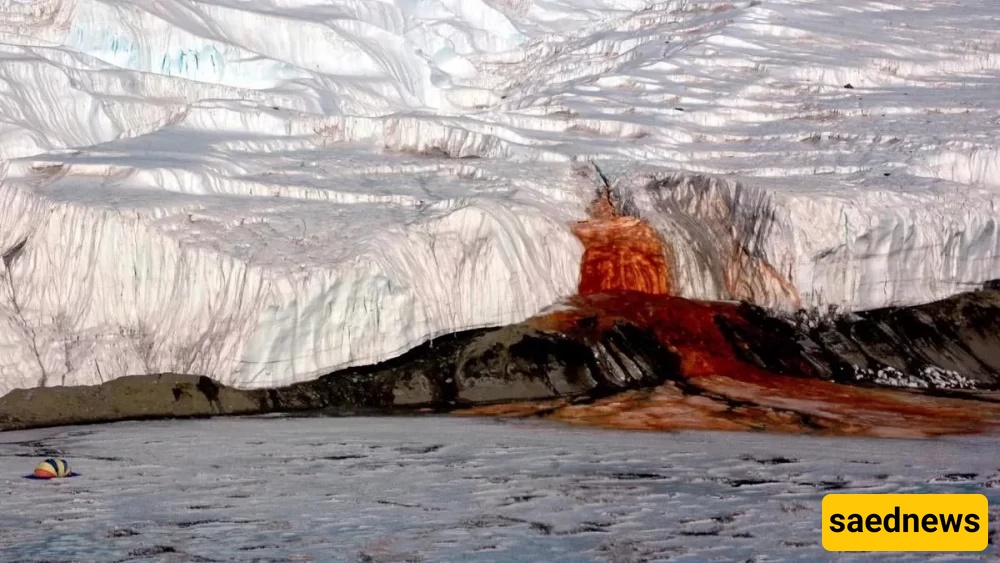
The waterfall flows from beneath Taylor Glacier.
The red color is caused by iron oxidation, not algae.
The source water is extremely salty and remains liquid below freezing temperatures.
The underground brine has been isolated beneath the glacier for millions of years.
Blood Falls continues to provide scientists with important information about life in extreme environments and Antarctic geology.
Blood Falls is one of the world's most extraordinary natural phenomena. Its crimson waters, hidden underground source, and unique chemical processes have fascinated scientists for more than a century. Beyond its dramatic appearance, the waterfall offers valuable insights into Earth's ancient environments and the possibility of life in some of the most extreme conditions imaginable. As both a geological wonder and a scientific treasure, Blood Falls remains one of Antarctica's most remarkable natural landmarks.