SAEDNEWS: Kopli Cemetery Park in Tallinn, Estonia, has been transformed from a historic cemetery into a public green space that beautifully combines history and nature. The park preserves the memory of the past while offering a peaceful environment where visitors can enjoy greenery, heritage, and cultural significance.
According to Saednews, Kopli Cemetery Park is one of Tallinn’s historical and natural attractions, preserving a forgotten story within its landscape. Once a cemetery for the Baltic German minority, the area has now been transformed into a green public space with towering trees, walking paths, and a playground for children.
Kopli Cemetery Park, located in the capital city of Estonia, Tallinn, is a fascinating destination for those interested in history and nature. This site was once an important and impressive burial ground for the Baltic German community. After World War II, it was taken over by Soviet authorities, and many of its memorial structures and historical markers were removed.
Over time, as peace and stability returned to the area, Kopli Cemetery Park gradually became an urban green space where locals and visitors could relax, walk, and enjoy nature. However, beneath its peaceful appearance, the park still carries memories of a complex and dramatic past.
Kopli Cemetery was established in 1774 during the 18th century. It served as the main burial place for Tallinn’s Baltic German community. At the time, it was considered one of the city’s most prestigious cemeteries and became the final resting place of many notable local figures.
During the 18th and 19th centuries, the cemetery hosted the graves of prominent members of Tallinn’s German-speaking society, including military officers, merchants, clergy members, and other influential individuals.
One of the most distinctive features of Kopli Cemetery was its artistic and carefully designed appearance. The cemetery contained numerous stone graves, sculptures, and decorative memorials. Located in a peaceful and green area, it was regarded as a respected and important cultural site.
However, major political and historical changes during the 20th century dramatically altered the fate of the cemetery.
After the end of World War II and the Soviet occupation of Estonia, Kopli Cemetery underwent significant destruction. Soviet authorities decided to remove many cultural and religious symbols associated with the cemetery. Numerous graves were destroyed, and many artistic memorial stones disappeared.
These actions were part of wider efforts to eliminate reminders of the cultural identity and influence of the Baltic German community in Estonia.
During this period, Kopli Cemetery became abandoned, leaving only traces of its former significance. However, after the collapse of the Soviet Union in the early 1990s, the situation began to change.
Following Estonia’s restoration of independence, the area was gradually renewed and transformed into a public park. Today, Kopli Cemetery Park is one of Tallinn’s popular green spaces, attracting residents and visitors for walking, cycling, exercise, and relaxation.
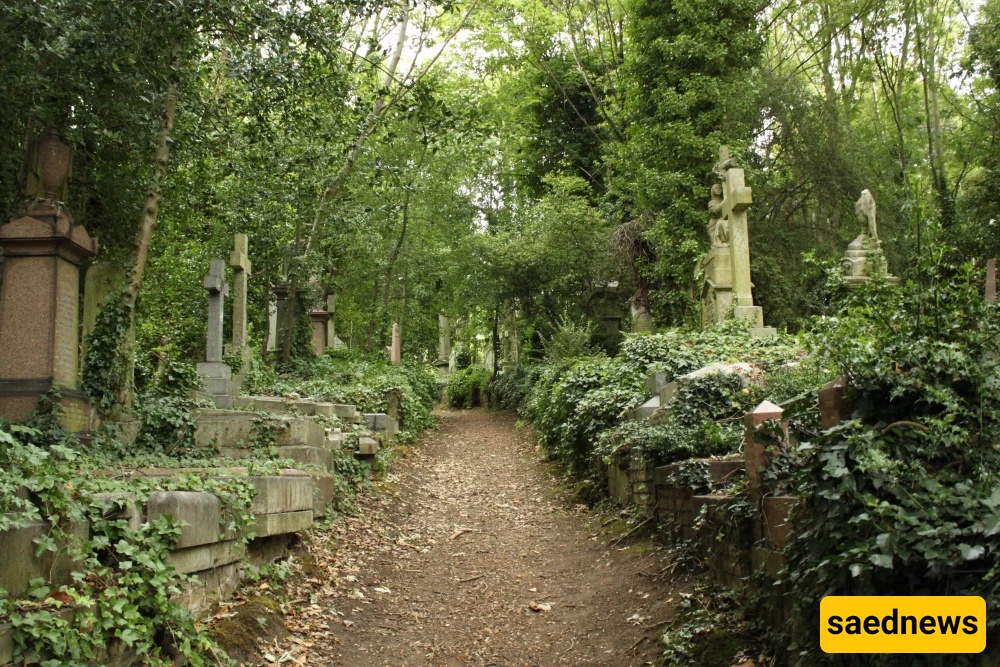
Today, Kopli Cemetery Park is a peaceful landscape filled with mature trees and beautiful natural scenery. Although much of the original cemetery was lost, some remnants of its past remain visible.
Scattered grave fragments and memorial stones can still be found throughout the park, quietly reflecting the historical importance of the site.
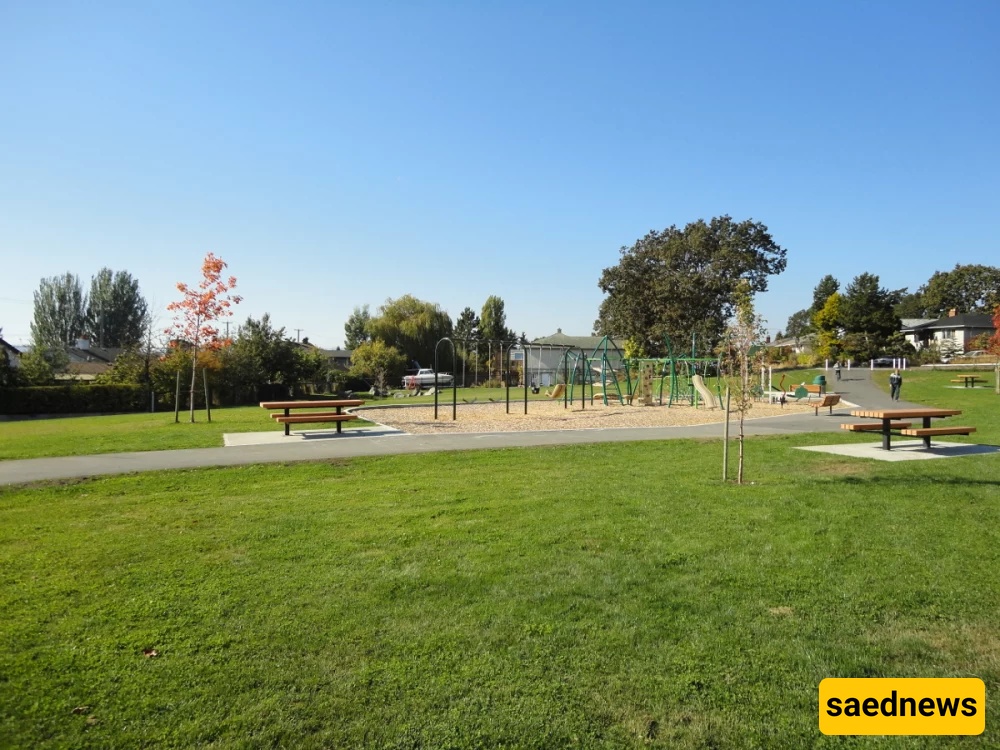
In addition to its natural surroundings, the park offers walking routes, cycling paths, and a children’s playground. These features have made Kopli Cemetery Park not only a historical landmark but also a valuable recreational area for the local community.
Kopli Cemetery Park is significant not only because of its natural beauty but also because of its historical value. Hidden among the greenery are remains of old graves and memorial stones that provide insight into Estonia’s cultural and social history.
Some surviving memorials display artistic designs representing different architectural styles from past centuries. Several stones contain German inscriptions, reflecting the historical presence and influence of the German-speaking population in Estonia.
Kopli Cemetery Park represents a connection between the past and modern urban life. As a cultural and historical heritage site, it reminds visitors of the major social and political transformations that shaped the region over centuries.
The transformation of a cemetery into a public park also symbolizes Estonia’s cultural revival after the Soviet era and the restoration of its national identity.
Today, the park serves as a peaceful place for families, residents, and visitors. At the same time, it remains a reminder of a turbulent historical period and demonstrates how places of memory can be transformed into spaces for life, recreation, and renewal.
Kopli Cemetery Park is located in Tallinn, the capital of Estonia, and is considered one of the city’s notable historical and natural sites.
Before becoming a park, the area was a cemetery established in 1774 for the Baltic German community. After World War II, it was heavily damaged and altered during the Soviet period.
After the destruction and abandonment of the cemetery during Soviet rule, the area was gradually restored and redesigned as a public green space for recreation and relaxation.
The park includes large trees, green spaces, walking paths, cycling routes, historical remains, and a children’s playground, making it suitable for both sightseeing and leisure.
Yes. Although much of the original cemetery has disappeared, remaining memorial stones and traces of the old burial ground continue to preserve its historical significance.
Where Is Kopli Cemetery Park Located?
Kopli Cemetery Park is located in the Kopli district of Tallinn, Estonia. It is a unique destination where nature, urban recreation, and forgotten history come together, offering visitors a chance to explore one of Tallinn’s lesser-known cultural landmarks.