SAEDNEWS: The Egg-shaped Hotel of Hormoz, also known as the Maajara Tourism Complex, should not be seen merely as a strikingly beautiful accommodation. This complex is exactly the kind of place that pulls you away from everyday routine and immerses you in the heart of nature, art, and architecture.
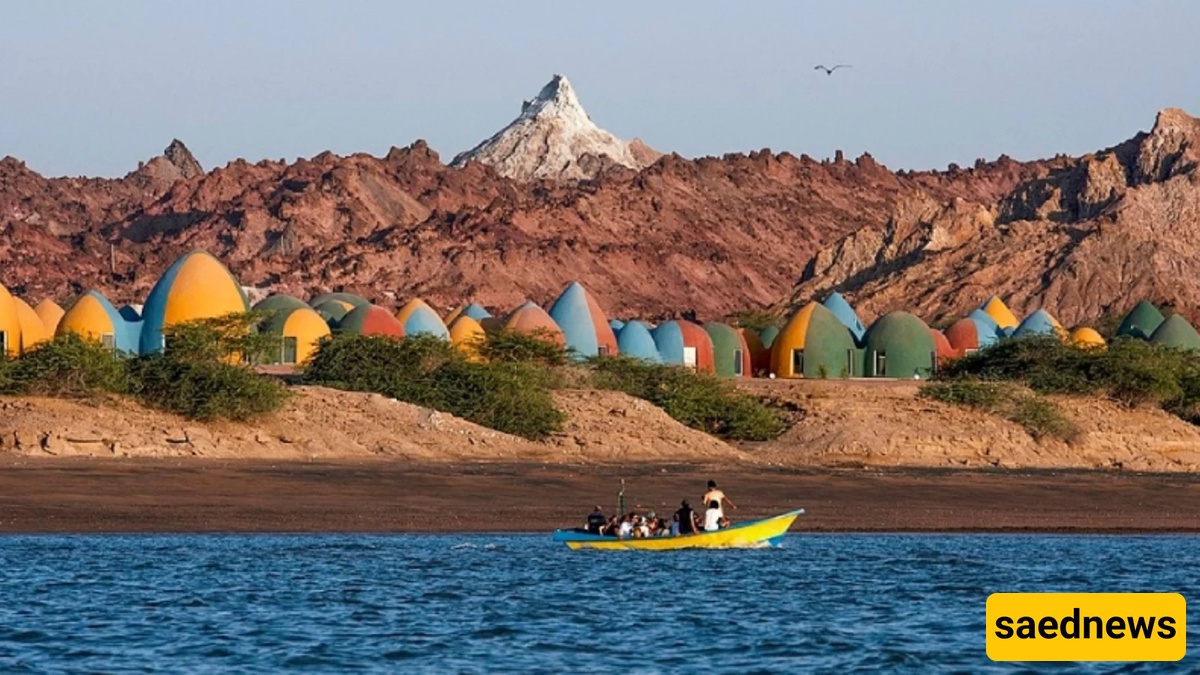
According to Saednews, Hormuz Island is a small but legendary island in the heart of the beautiful Persian Gulf. This astonishing and popular destination is not just a place for a short trip; it is where the human spirit connects with the colors and serenity of nature. When you set foot on this island, it feels as if you have entered another world—where the boundary between nature and art fades away.
What has made Hormuz Island increasingly attractive to tourists in recent years is the combination of its colorful natural landscape and red soil with human creativity and architecture. In the heart of its pristine environment and alongside its scenic coasts, a remarkable complex has emerged known as the Maajara Tourism Complex; however, most travelers know it as the “Hormuz Egg-Shaped Hotel.” In this article, we take a closer look at this visually striking and popular accommodation. Stay with us.
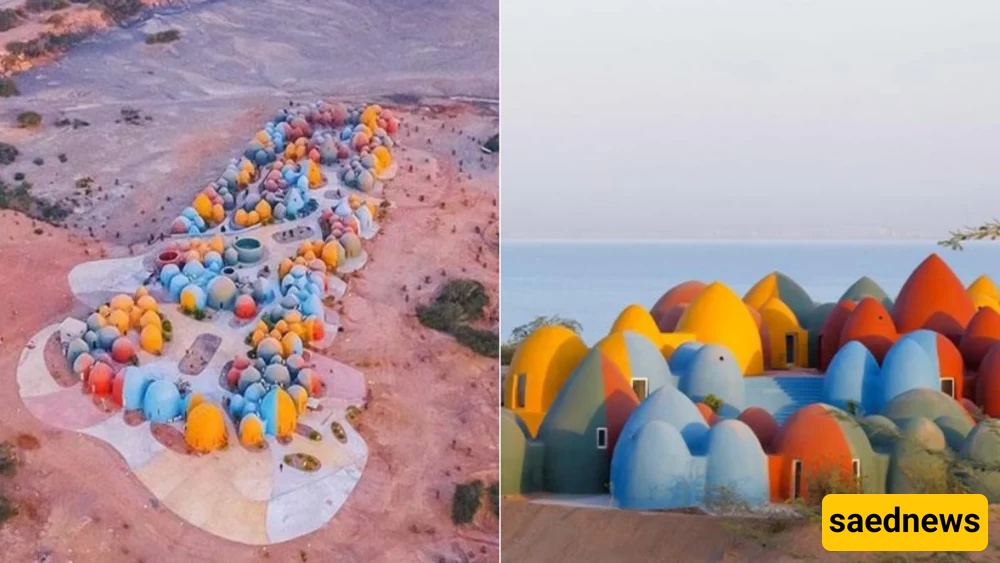
The idea of building the Maajara Tourism Complex, or the Hormuz Egg-Shaped Hotel, emerged when tourism on Hormuz Island began to grow. The island, which had remained relatively unknown for years, gradually entered the list of popular travel destinations. However, traditional accommodations were no longer sufficient to meet the needs of visitors.
This led a group of artists and architects to initiate a unique project—one that would not only serve as a fully equipped hotel but also become a cultural and artistic attraction in itself.
The name “Maajara” (meaning “adventure”) clearly suggests that this is not an ordinary place to stay. The complex tells a story—a story of the coexistence of nature and architecture, and the blending of tradition and innovation.
The choice of an egg-shaped design was another intelligent aspect of the project. In many cultures, the egg symbolizes beginnings, birth, and renewal. This symbolism perfectly suits Hormuz Island, where every corner is filled with vibrant colors and life energy.
Looking at this egg-shaped hotel, what feeling do you get? It feels as if you have stepped into a dreamlike world. However, the design is not only about visual beauty.
The egg-like form, with its smooth curved surfaces, is well-suited to the island’s hot and humid climate. Air flows naturally around the structures, helping to cool the environment. The white walls reflect sunlight and prevent excessive heat absorption. As a result, even during the hottest days of the year, the interior remains comfortable and pleasant.
Another notable feature is the use of local and environmentally friendly materials. The architects made every effort to minimize environmental impact while creating a structure that blends seamlessly into the island’s landscape.
The interior spaces are simple, minimalist, and calming. Soft colors combined with local elements create a sense of warmth and intimacy, while modern amenities ensure comfort for guests.
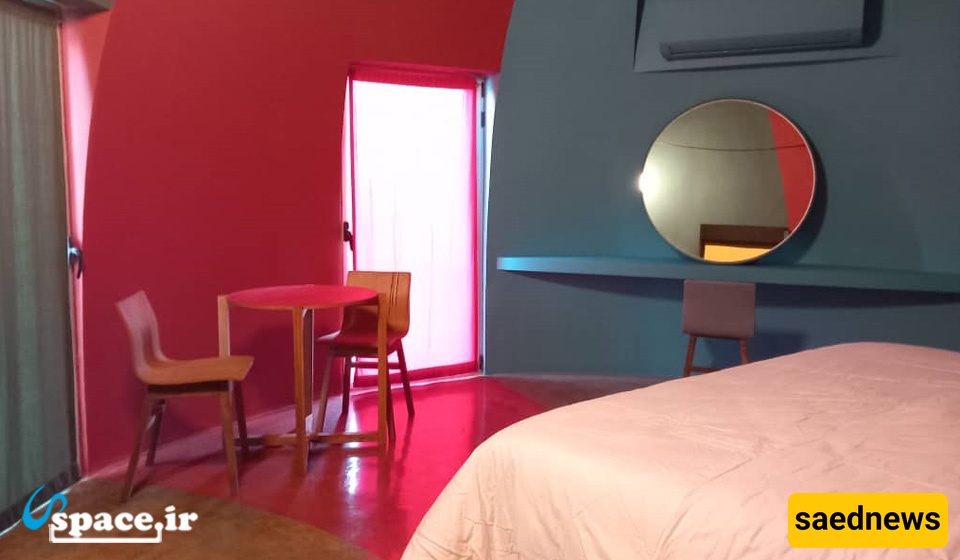
The reason for the popularity of this beautiful complex is its balance between simplicity and comfort. It is not a luxurious multi-star hotel with grand halls, but precisely this simplicity makes it more attractive—everything is in harmony with the untouched nature of Hormuz Island.
Each “egg” is actually a modern cottage combining creative design with practical facilities. The rooms are compact but well-organized, featuring comfortable beds, clean linens, soft lighting, and windows that open to poetic views of the sea or the colorful soil of Hormuz.
Each unit includes a private bathroom and toilet. The design is simple yet functional, ensuring comfort in a compact space. Water supply and ventilation systems are designed to work efficiently even in hot seasons.
Despite the island’s hot climate, each unit is equipped with cooling systems. The egg-shaped design naturally reduces heat, while air conditioning maintains a comfortable temperature. Wireless internet is also available for guests’ everyday needs.
Yes—delicious southern Iranian dishes are also served inside these colorful eggs. One of the highlights of staying at Maajara is tasting the local cuisine of Hormuz Island. The restaurant offers a vibrant menu inspired by traditional island flavors, including fresh seafood, local bread, and regional specialties. Fresh local ingredients give the food a unique taste and a strong cultural connection to the island.
One of the most beloved features of the hotel is its open courtyards and shared spaces. Guests can sit on wooden benches, drink tea, and socialize with other travelers. At night, these spaces become warm and inviting with simple lighting, sometimes hosting local music performances or small gatherings.
The Maajara complex is not only a place to stay but also a place to learn and explore. Seasonal workshops such as painting, pottery, and even local cooking are held here. These activities offer visitors new experiences while supporting local artists.
From the Maajara Tourism Complex, guided tours are usually organized to explore the island’s attractions. Visitors can easily access the red beach, the Silence Valley, and salt caves. These tours are led by local guides, enriching the travel experience and supporting the local community.
Perhaps nothing compares to the experience of lying under the open sky at night. Imagine a sky full of stars, free from light and noise pollution. This natural spectacle is one of the most unforgettable aspects of staying here—something no luxury city hotel can offer.
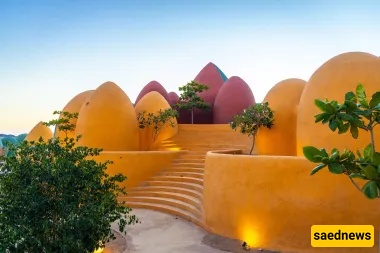
The Maajara complex has become a tourist attraction in its own right. Even travelers who do not stay overnight often visit for sightseeing and photography. Images of the hotel have significantly increased the visibility of Hormuz Island in recent years.
Its impact on the local economy is also significant. The project has created jobs for many residents and contributed to economic improvement on the island.
Visitors often purchase local handicrafts, spices, and souvenirs, helping to support many local families. In this way, the project demonstrates how sustainable tourism can benefit both travelers and local communities.
The Hormuz Egg-Shaped Hotel is more than just accommodation—it is a destination in itself, where art, nature, and culture meet in harmony.