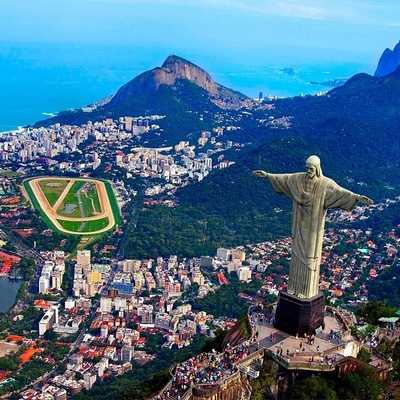
SAEDNEWS: Izeh, Khuzestan Province, Iran is a semi-mountainous city that looks like a living painting. It is one of the most untouched and dreamlike destinations in Khuzestan, known for its unique natural beauty.
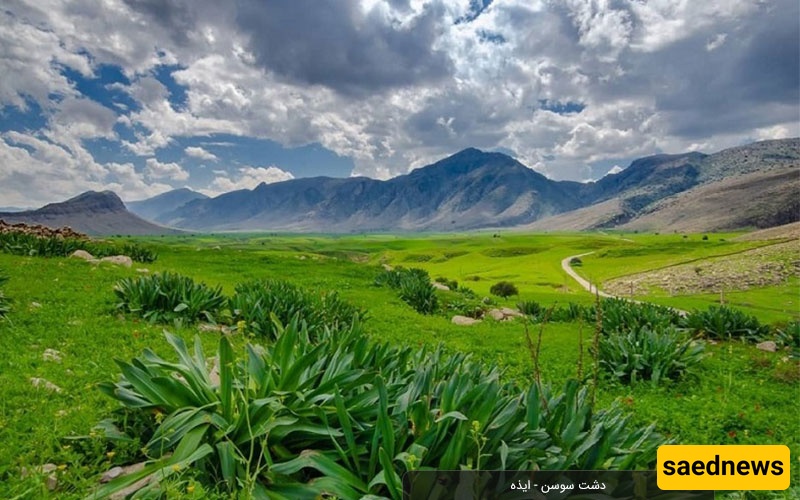
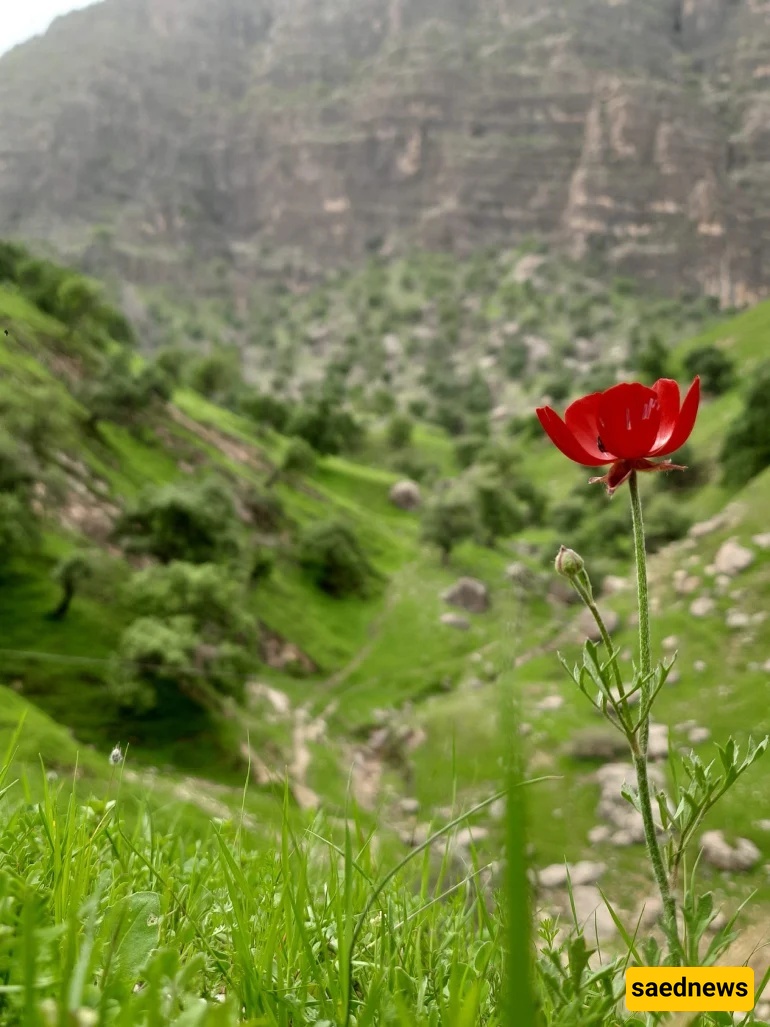
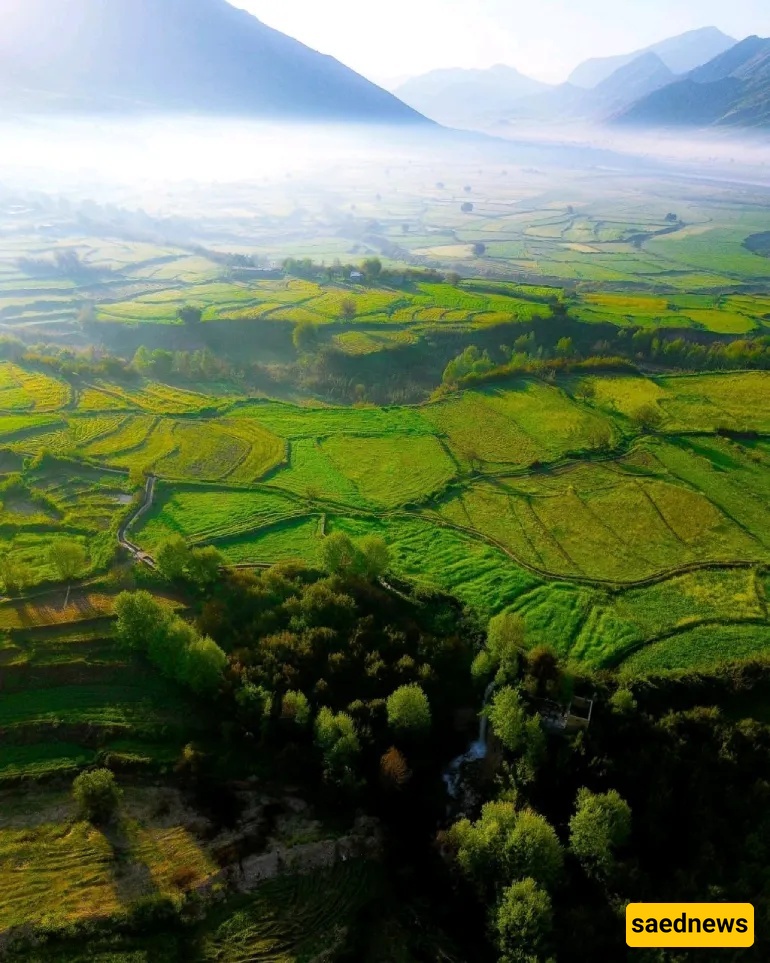
Sosan Plain in Izeh is one of those unique natural attractions that connects the spirit of nature with the human soul. The combination of lush grasslands, red wildflowers, green farmlands, the flow of the Karun River, and the sound of birds enchants every visitor.
Sosan Plain in Izeh feels like a scene from childhood cartoons. This spectacular plain is divided into two parts by the Karun River: Western Sosan and Eastern Sosan, each offering its own distinct scenery.
Among its famous attractions are villages with stunning landscapes. Villages such as Sorayya, known for its stepped architecture and often called the “Masouleh of Khuzestan,” as well as Lolo, Mehrnan, Jangeh, Shimen, Sheikh, and Faleh, all stand out for their beauty and authenticity.
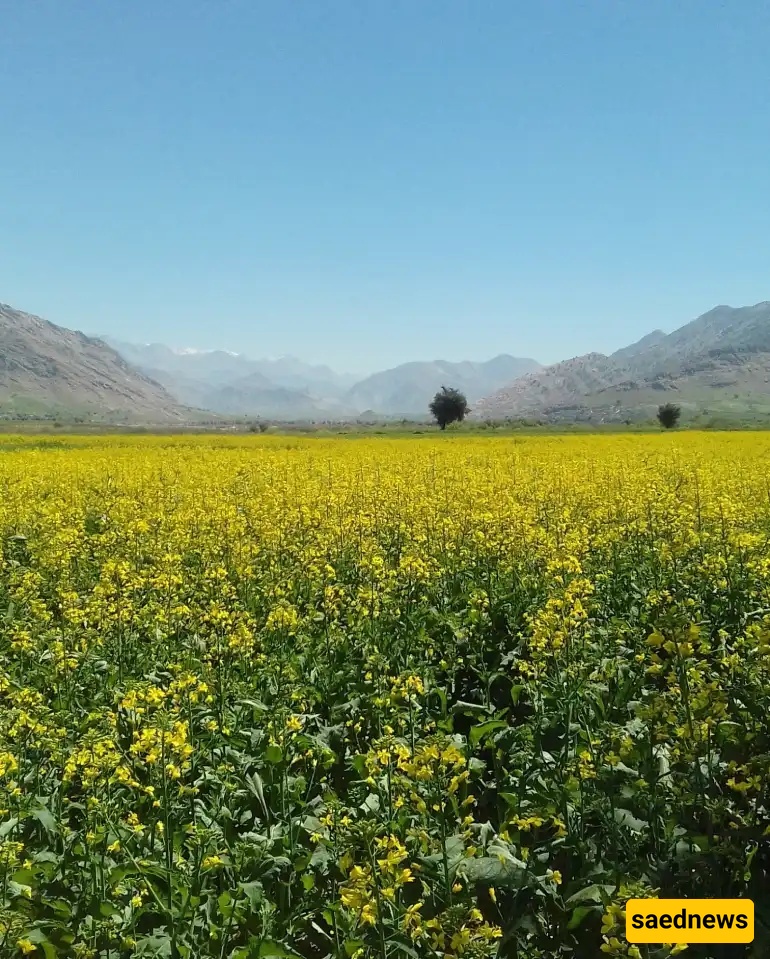
The natural charm of Sosan Plain is countless. Flowers such as daffodils, rice fields, oak, fig, and pomegranate trees, along with breathtaking mountains and valleys, all add to its extraordinary beauty.
This enchanting destination is also a place where nature and history meet. Visiting the area reveals ancient sites such as the Elamite cemetery. If you see stone lion statues placed beside graves, they symbolize brave warriors buried there.
Sosan Plain is located about 35 kilometers from the city of Izeh in Khuzestan Province, within the Sosan district, which consists of Western Sosan (centered in Torshak) and Eastern Sosan (centered in Jangeh).
To reach the plain, there are several routes. One common route passes through villages such as Piyan and Takootar, followed by a fork where you turn right, then continue past Keshgeli village until reaching another junction that leads into different parts of the plain.
Another route passes near Karun 3 Dam and the Imamzadeh Sultan Ebrahim shrine, where visitors can park and continue the journey by boat, enjoying a scenic half-hour ride through breathtaking natural landscapes.
A third route is used by travelers coming from the north (Andika), passing the Karun 3 Dam road and heading toward the Sosan junction before reaching the plain.
From Isfahan: approximately 396 km (about 4 hours and 35 minutes)
From Ahvaz: approximately 247 km (about 2 hours and 12 minutes)
Spring:
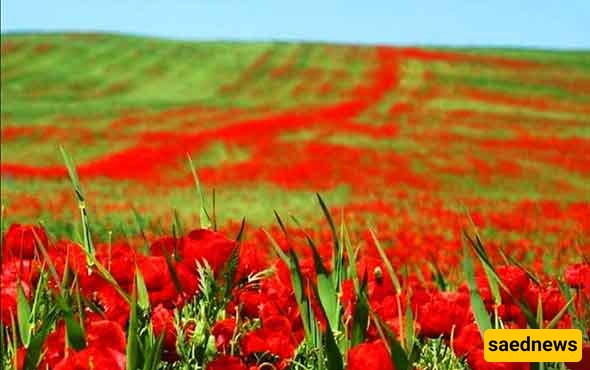
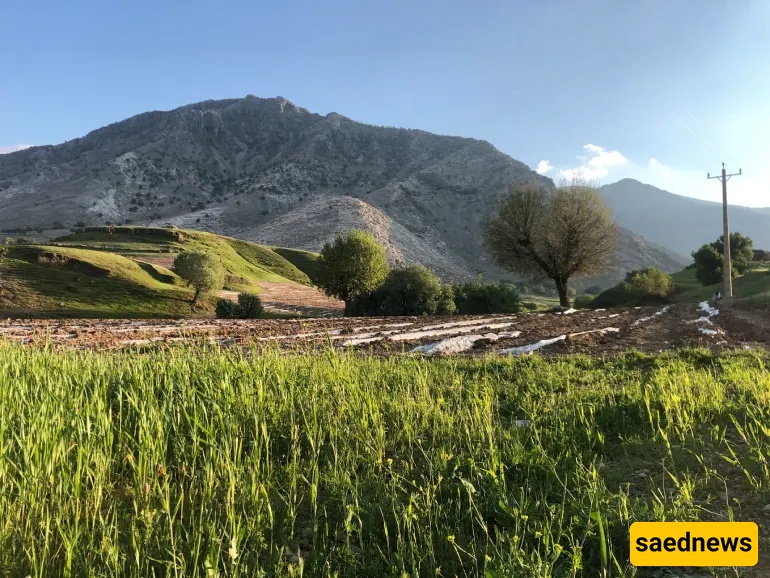
Spring is one of the best times to visit. The weather becomes cool and pleasant, and the plain is covered with colorful wildflowers such as poppies and tulips. However, rainfall and occasional flooding may occur.
Summer:
Summer is hot and dry, and vegetation may dry out. While daytime heat can be intense, the nights are beautifully clear, offering stunning stargazing opportunities.
Autumn:
Autumn brings mild and pleasant weather. The landscape becomes colorful as trees change their leaves, and occasional rain showers add to the beauty.
Winter:
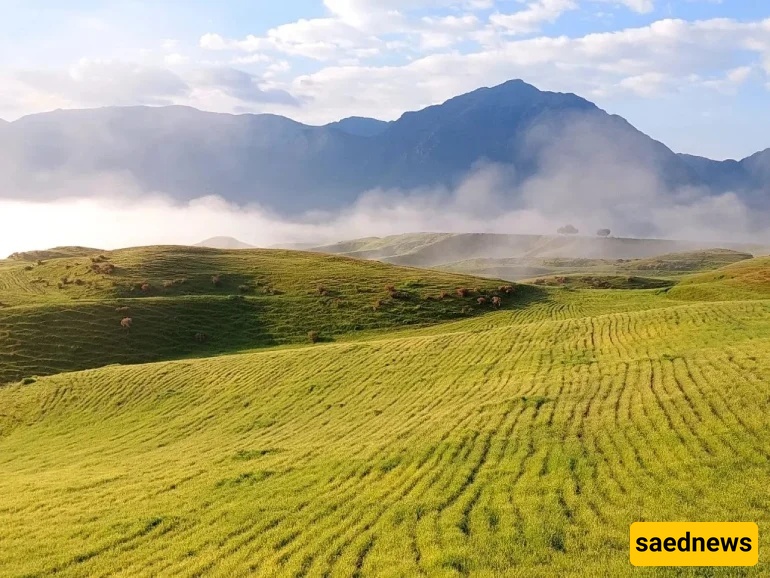
Winter is cold and humid, with occasional rain but little to no snowfall.
Sosan Plain is like a piece of paradise, enriched with diverse plant and animal life.
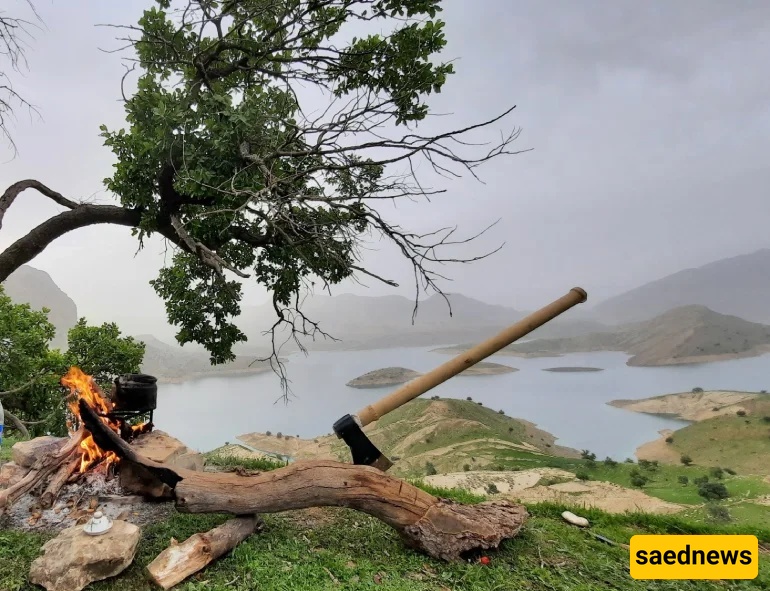
Vegetation includes oak, pomegranate, mulberry, ash, fig trees, tulips, poppies, violets, mint, thyme, barberry, and many other plants and shrubs.
Wildlife includes birds such as hawks, eagles, doves, storks, and partridges, and mammals like rabbits, foxes, sheep, goats, wolves, jackals, and even brown bears. Reptiles such as snakes, lizards, and other species are also found in the area.
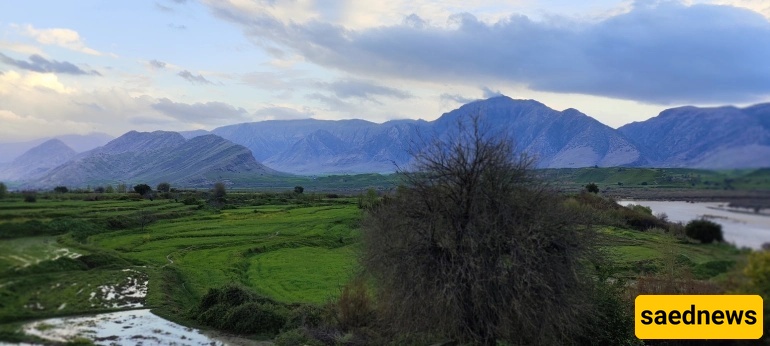
Rice fields scattered across the plain further enhance its scenic beauty, creating a truly picturesque landscape.