SAEDNEWS: Dutch roses are among the most popular flowers, known for their large buds, long stems, and lasting freshness. Learn about their unique features, how they differ from other roses, and the best ways to buy and care for them.
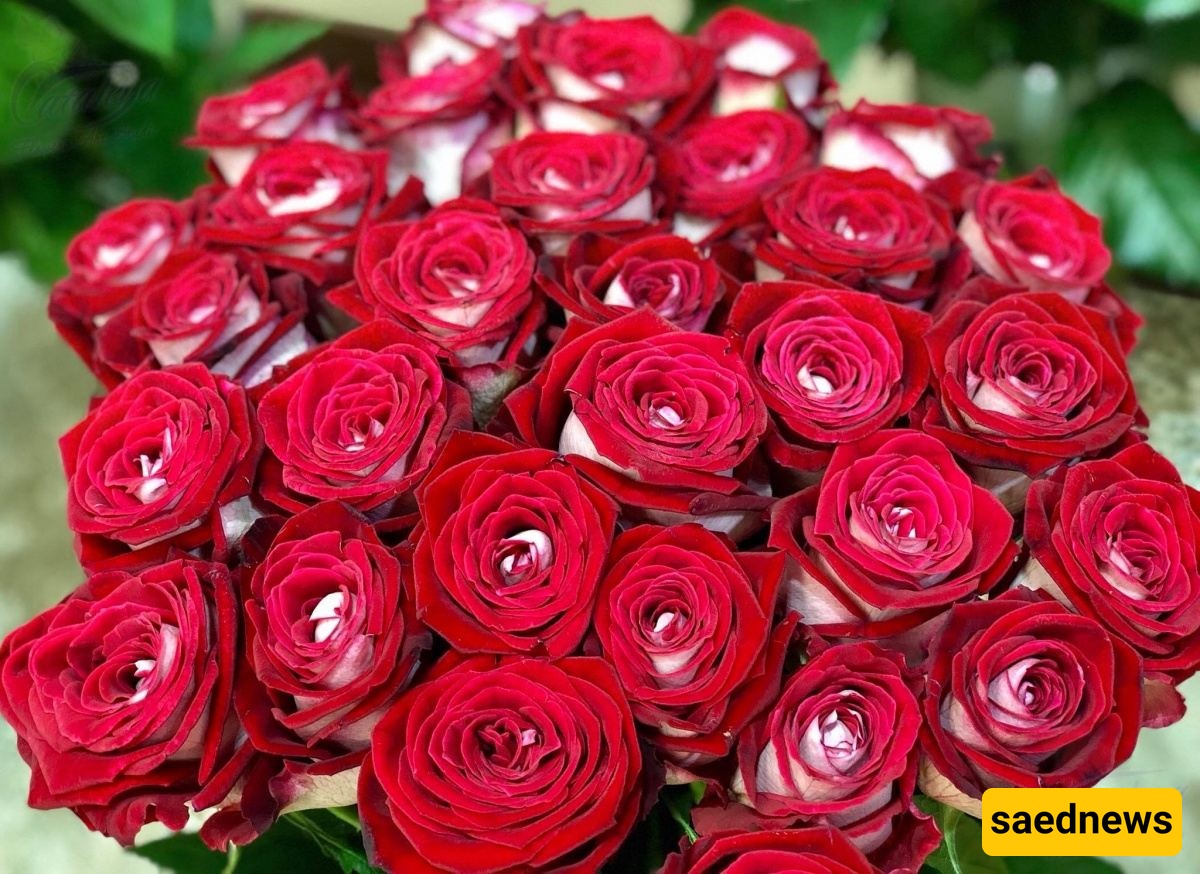
According to Saednews, The rose is one of the world's most famous and best-selling flowers. Among the many names commonly used in the flower market, the term Dutch rose is particularly popular. When buyers hear this name, they often imagine large buds, long stems, a wide range of colors, and excellent vase life. But what exactly is a Dutch rose, and what makes it different from other types of roses?
In reality, “Dutch rose” is more of a commercial, geographical, and quality-related designation than the name of a distinct botanical species. The Netherlands is one of the world's leading centers for flower production and trade, with decades of experience in greenhouse cultivation, variety development, flower grading, and transportation. As a result, the term “Dutch” has become associated with quality standards, consistency, and reliable production in the flower market.
Understanding what this term actually means can help buyers make more informed choices and extend the life of their flowers.
A Dutch rose refers to a rose grown in the Netherlands or cultivated from varieties developed through Dutch breeding programs. Botanically, it belongs to the genus Rosa and does not represent a fundamentally different species from other roses.
Its distinctive qualities result from several factors, including variety selection, greenhouse conditions, nutrient management, harvesting time, grading, packaging, and cold-chain transportation.
In the Iranian flower market, the term “Dutch rose” is sometimes used for flowers imported directly from the Netherlands and sometimes for Dutch-bred varieties grown in local greenhouses.
For this reason, buyers should not rely solely on the Dutch label when purchasing roses. Freshness, stem strength, leaf condition, bud development, and storage conditions at the flower shop are much more important factors.
Simply put, a Dutch rose is not a single registered brand or a specific botanical variety. Rather, the term describes a combination of quality characteristics, improved varieties, and production and distribution standards.
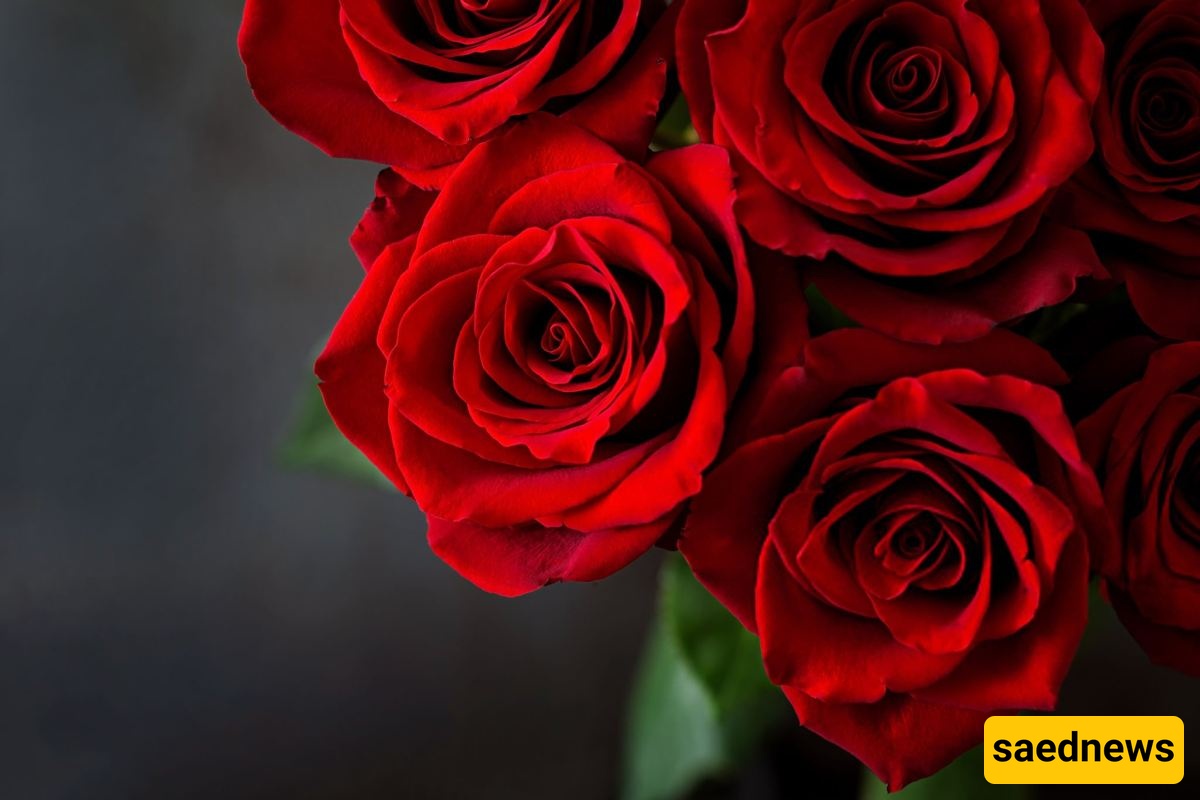
The Netherlands has earned a leading position in the global flower industry thanks to its advanced greenhouse infrastructure, temperature and humidity control technologies, plant-breeding expertise, and well-developed logistics network.
Flowers are graded according to established standards, and from harvesting to delivery, they are kept under carefully controlled temperature conditions.
Dutch flower auctions, particularly Royal FloraHolland, play a major role in the international flower trade. It is one of the world's largest flower auction organizations, handling a significant share of the global cut-flower supply chain.
The wide selection of varieties, consistent product quality, and year-round availability are among the main reasons Dutch flowers are so popular.
However, not all high-quality roses are grown in the Netherlands. Countries such as Ecuador, Colombia, and Kenya are also major rose producers. Ecuadorian roses, for example, are internationally recognized for their large buds and thick stems.
Nevertheless, the Dutch name remains strongly associated with quality standards, innovation in flower breeding, and consistent production.
Dutch roses typically feature large buds, neatly arranged petals, and long, relatively thick stems. These characteristics make them particularly attractive for bouquets, formal events, and gift arrangements.
Dutch roses are available in a wide range of colors, including white, red, pink, yellow, orange, purple, and various unique color combinations.
One of the most important characteristics of Dutch varieties is their visual consistency. Professional greenhouses aim to produce flowers with uniform stem lengths, bud sizes, and petal shapes.
One of the reasons Dutch roses are popular is their relatively long vase life when properly maintained.
However, the lifespan of a rose depends on several factors, including:
The specific variety.
Freshness at the time of purchase.
Room temperature.
Water quality.
Vase cleanliness.
Proper stem preparation.
A fresh, healthy Dutch rose can remain beautiful for several days to more than a week with appropriate care.
It is important to remember that durability should not be attributed to the Dutch label alone. If a flower has been exposed to excessive heat or dirty water during transportation or storage, even the highest-quality variety may wilt quickly.
Numerous rose varieties have been developed in the Netherlands, each with its own characteristics. Some are bred for longer stems, others for larger buds, distinctive colors, or improved vase life.
Some well-known varieties in the flower market include:
Red Naomi: Known for its deep red color and large, elegant buds.
Avalanche: A popular variety recognized for its soft, classic appearance and light-colored petals.
Vendela: Appreciated for its creamy white color and elegant shape.
Freedom: A widely recognized red rose variety.
Pink Friday: Known for its attractive pink color.
Each variety has its own characteristics. For example, some produce exceptionally large buds and are particularly suitable for bridal bouquets, while others have longer stems and better vase life, making them ideal for large floral arrangements.
Understanding these differences helps buyers choose the right roses for their needs.
Dutch roses are generally graded according to several criteria, including stem length, bud size, leaf condition, and the absence of physical damage.
Proper packaging and temperature-controlled storage are also important aspects of their distribution.
In professional flower supply chains, roses are cooled shortly after harvesting and kept in a cold chain to slow down their metabolism and reduce wilting.
However, a Dutch label alone does not guarantee freshness. Buyers should always examine the stem, leaves, and buds before purchasing.
Many people assume that Dutch roses are genetically distinct from all other roses. However, this is not necessarily true.
The main differences are related to growing location, cultivar selection, greenhouse management, and post-harvest handling.
The same rose variety can be cultivated in the Netherlands, Iran, or another country. Its final quality depends largely on growing conditions and transportation practices.
Visually, Dutch roses often have more uniform buds and consistent stems. However, these characteristics can also be found in Ecuadorian and Colombian roses.
Ecuadorian roses are often grown at high altitudes, where conditions can contribute to the development of thick stems and large buds. Kenyan roses also have an important position in the global market, partly because of their relatively competitive production costs.
Therefore, Dutch roses should be considered a commercial and quality designation rather than a completely separate botanical species.
A Dutch rose can lose its quality if it is transported or stored improperly. Conversely, a locally grown rose can achieve excellent quality when cultivated and handled correctly.
Because of their elegant and eye-catching appearance, Dutch roses are used in a wide variety of floral arrangements and decorative settings.
Common applications include:
Bridal bouquets.
Wedding decorations.
Special-occasion gifts for Valentine's Day and Mother's Day.
Hotel and restaurant decorations.
Office floral arrangements.
Luxury bouquets and premium floral designs.
Their long stems and large buds make them particularly suitable for formal and large-scale floral arrangements.
In floral design, Dutch roses are often used as the main flowers, complemented by varieties such as lisianthus, hydrangeas, eucalyptus, and baby's breath (Gypsophila).
Combining Dutch roses with different shades of greenery can create either a modern or a classic floral arrangement.
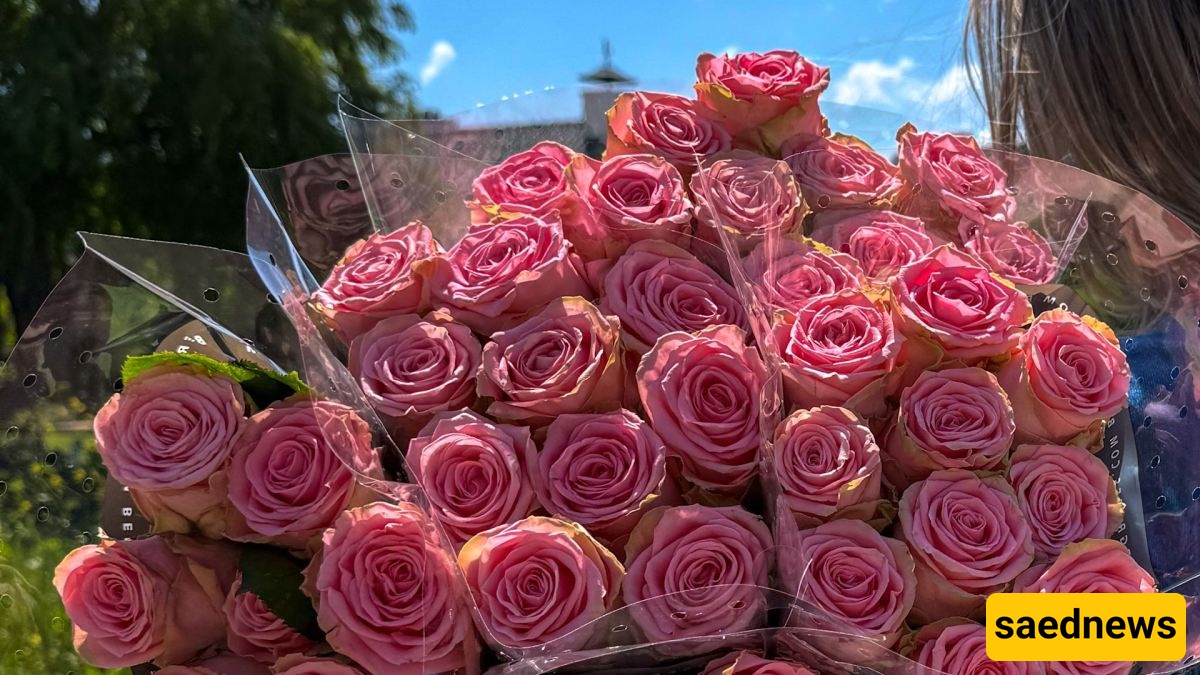
If you want to purchase high-quality Dutch roses, keep the following points in mind:
1. Check the stems: They should be firm, green, and free from breaks. Soft or bent stems may indicate aging or improper storage.
2. Examine the leaves: They should look fresh and green, without brown spots or yellowing. Fallen leaves may indicate that the flower has been under stress.
3. Inspect the buds: They should not be excessively open or wilted. Semi-open buds generally have a longer remaining vase life and can fully bloom at home.
4. Check the water: The water in the flower container should be clean and free of unpleasant odors. Cloudy water may indicate bacterial growth, which shortens the flower's lifespan.
5. Choose a reputable flower shop: Storage conditions at the shop have a significant impact on flower freshness and longevity.
6. Inspect the packaging: Excessive pressure and heat during transportation can damage the flowers.
7. Do not rely solely on the Dutch label: Always assess freshness by examining the flower and checking the firmness of its stem.
8. Buy during cooler hours: If possible, purchase your roses during the cooler parts of the day and take them home promptly.
Caring for Dutch roses is relatively simple, and following a few basic steps can significantly extend their vase life.
First, thoroughly clean the vase before placing the flowers inside. A dirty container can become a source of bacteria and interfere with water absorption.
Next, use a sharp knife or pair of scissors to cut approximately 2–3 centimeters off the bottom of each stem at an angle. This increases the surface area available for water absorption. An angled cut also prevents the stem from resting flat against the bottom of the vase.
Remove any leaves that would sit below the waterline. This helps prevent decay and bacterial growth.
Change the water every one to two days, and trim a small portion of the stem each time.
Cool temperatures, indirect light, and keeping the flowers away from heat sources such as radiators and direct sunlight will help them stay fresh for longer.
Using a commercial flower preservative can also be beneficial. These products contain ingredients that provide nutrients, lower the water's pH, and help control bacterial growth.
If flower preservatives are unavailable, a small amount of sugar combined with a few drops of diluted bleach may serve as a partial alternative. However, the quantities must be very small and carefully controlled to avoid damaging the flowers.
Dutch roses are popular because of their elegant appearance, large buds, long stems, variety of colors, and consistent quality standards.
However, the term “Dutch rose” does not refer to a separate botanical species. Instead, it describes roses associated with Dutch cultivation, breeding expertise, and professional production and distribution standards.
When purchasing Dutch roses, always prioritize freshness, healthy stems, vibrant leaves, and proper storage conditions over the name alone.
With the right selection and proper care, Dutch roses can bring beauty, elegance, and lasting freshness to your home or special occasions.