SAEDNEWS: In this article, we explore the most effective ways to improve moral character, helping us pursue self-development and spiritual purification with greater awareness and careful planning.

According to Saednews, Human beings are constantly growing and striving for personal development. One of the most important aspects of this growth is cultivating good character and improving moral values. Character improvement involves recognizing negative traits and behavioral shortcomings and replacing them with virtues and positive qualities.
No society can achieve true well-being without people who uphold moral values. Ethics form the foundation of human relationships, social trust, and personal peace of mind.
In this article, we explore ten practical ways to improve character, offering a step-by-step approach to self-development and spiritual growth.
Character improvement is a conscious and ongoing process in which individuals identify their moral weaknesses and gradually overcome them through practical and spiritual methods. In religious and ethical teachings, this process is often referred to as self-purification and refinement of the soul.
The importance of character improvement can be understood through several key benefits:
Inner peace: People who free themselves from negative traits such as envy, arrogance, and uncontrolled anger often experience greater emotional and psychological peace.
Better relationships: Good character helps build trust, affection, and mutual respect.
Greater success in life: Many personal and professional setbacks are rooted in weaknesses of character.
Spiritual growth: From a religious perspective, self-purification is an important step toward spiritual fulfillment and closeness to God.

Self-awareness is the first step toward improving your character. You cannot change what you do not recognize. Take time to identify your strengths and weaknesses by reflecting on your daily behavior, observing how others respond to you, and seeking honest feedback from people you trust.
Imam Ali is reported to have said, “Whoever knows himself knows his Lord.” Self-knowledge provides a foundation for meaningful moral growth and lasting personal transformation.
One of the most effective ways to improve your character is to review your actions at the end of each day.
Ask yourself a few simple questions:
What good things did I do today?
Where did I make a mistake?
What triggered my negative reaction?
How could I have handled the situation better?
This simple habit gradually strengthens moral awareness, helps you learn from mistakes, and reduces the likelihood of repeating them.
Character development requires a realistic plan. Instead of trying to change every negative trait at once, choose one or two areas to work on and establish specific goals.
For example, if you want to overcome a short temper, make a commitment to pause for three seconds and take a deep breath whenever you feel angry.
Small, measurable goals make progress easier to track and help you stay motivated.

Personal transformation does not happen overnight. Moral growth takes time, patience, and repeated effort.
Consistently practicing small positive actions is often more effective than making ambitious but short-lived efforts. Over time, repeated good behavior becomes a habit and eventually an integral part of your character.
Remember that lasting change comes from consistency rather than perfection.
Faith can be a powerful source of motivation for moral improvement. People who believe that God is always aware of their actions may feel a stronger responsibility to behave ethically, even when no one else is watching.
Prayer, worship, reading the Quran, and participating in spiritual gatherings can strengthen inner motivation and create a supportive environment for personal transformation.
Regardless of your religious background, spiritual reflection can help you clarify your values and develop a deeper sense of purpose.
Your friends and social environment can have a profound influence on your behavior. Spending time with honest, kind, and responsible people can encourage you to adopt similar qualities. Conversely, regularly associating with people who disregard ethical principles may make negative behaviors seem normal.
Choose friends and social environments that encourage honesty, compassion, accountability, and personal growth.
Positive relationships can make the journey toward better character easier and more rewarding.

Anger is a common source of poor decisions and harmful behavior. Learning to manage it is an essential part of character development.
You can begin by practicing these techniques:
Pause before responding to a frustrating situation.
Take slow, deep breaths to calm yourself.
Step away temporarily when emotions become overwhelming.
Remain silent until you can respond thoughtfully.
Consider the possible consequences of acting out of anger.
It is equally important to manage impulsive desires and resist the urge to act on every emotion or temptation. Developing self-control helps you make decisions that reflect your values rather than your immediate feelings.
Improving your character requires understanding the difference between virtues and harmful traits. Reading books on ethics, studying religious teachings, and learning from the lives of respected moral figures can deepen your understanding of right and wrong.
Important virtues include honesty, humility, patience, compassion, generosity, and fairness. Negative traits to recognize and address include envy, arrogance, dishonesty, selfishness, and excessive anger.
Greater awareness helps you recognize behaviors that may appear acceptable at first but can undermine your relationships and personal development.

Patience and gratitude are two essential qualities that contribute to emotional balance and good character.
Patience helps you face difficulties without giving in to frustration, impulsive reactions, or despair. Gratitude encourages humility, contentment, and appreciation for the positive aspects of life.
To develop these qualities, try to respond calmly to everyday challenges and identify a few things you are grateful for each day.
Over time, these practices can improve your outlook, strengthen resilience, and help you respond to difficulties with greater maturity.
Being willing to accept constructive criticism is an important sign of readiness for personal growth.
Ask trusted people to share their observations about your behavior. When receiving feedback, try to listen without immediately becoming defensive or making excuses.
You do not need to agree with every criticism, but you should consider it thoughtfully and determine whether it reveals an area where you can improve.
Learning to accept feedback with humility helps reduce arrogance, strengthen relationships, and develop a more balanced view of yourself.
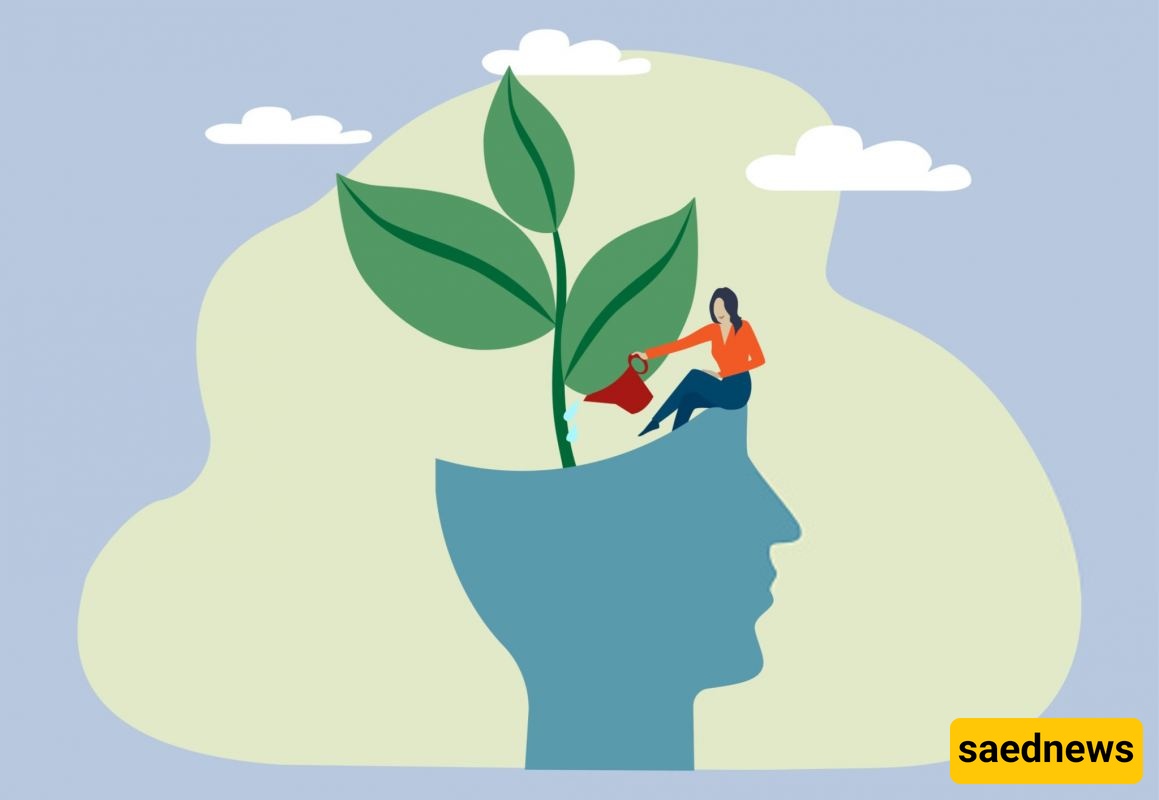
Understanding the barriers to personal growth is just as important as knowing the methods that support it.
Some of the most common obstacles include:
Pride and arrogance: People who believe they have no flaws are unlikely to recognize the need for change.
Making excuses: Justifying mistakes instead of taking responsibility prevents meaningful improvement.
A negative environment: Spending time in settings where unethical behavior is encouraged can make positive change more difficult.
Impatience: Expecting immediate results can lead to frustration and giving up too soon.
Neglecting spiritual values: For religious individuals, losing sight of their spiritual purpose may weaken their motivation to maintain good character.
Recognizing these obstacles allows you to address them before they interfere with your progress.

Character improvement is not solely an individual responsibility. Families and communities also play an important role.
The family is often the first environment in which people learn moral values. Parents who demonstrate honesty, kindness, respect, and responsibility provide powerful examples for their children to follow.
Society can also encourage ethical development by promoting mutual respect, building trust, and incorporating moral education into schools, community programs, and media.
When families and communities reinforce positive values, individuals have greater opportunities to develop good character and contribute to a healthier society.
Improving your character is a lifelong journey that begins with self-awareness and continues through daily reflection, goal setting, consistent practice, faith, and personal responsibility. No one is perfect, and everyone has opportunities to grow and become a better person.
By practicing self-reflection, surrounding yourself with positive influences, managing anger, strengthening your spirituality, cultivating patience, and accepting constructive feedback, you can gradually build a stronger and more balanced character.
Remember that character improvement goes beyond changing individual behaviors. It involves transforming the attitudes, values, and habits that shape who you are. With patience, commitment, and consistent effort, you can improve your relationships, strengthen your inner peace, and make a positive difference in your personal life and society.