SAEDNEWS: As skin ages, declining collagen levels can lead to fine lines and sagging. Discover the key ingredients, essential selection criteria, and proper application techniques for choosing and using a collagen-boosting serum.
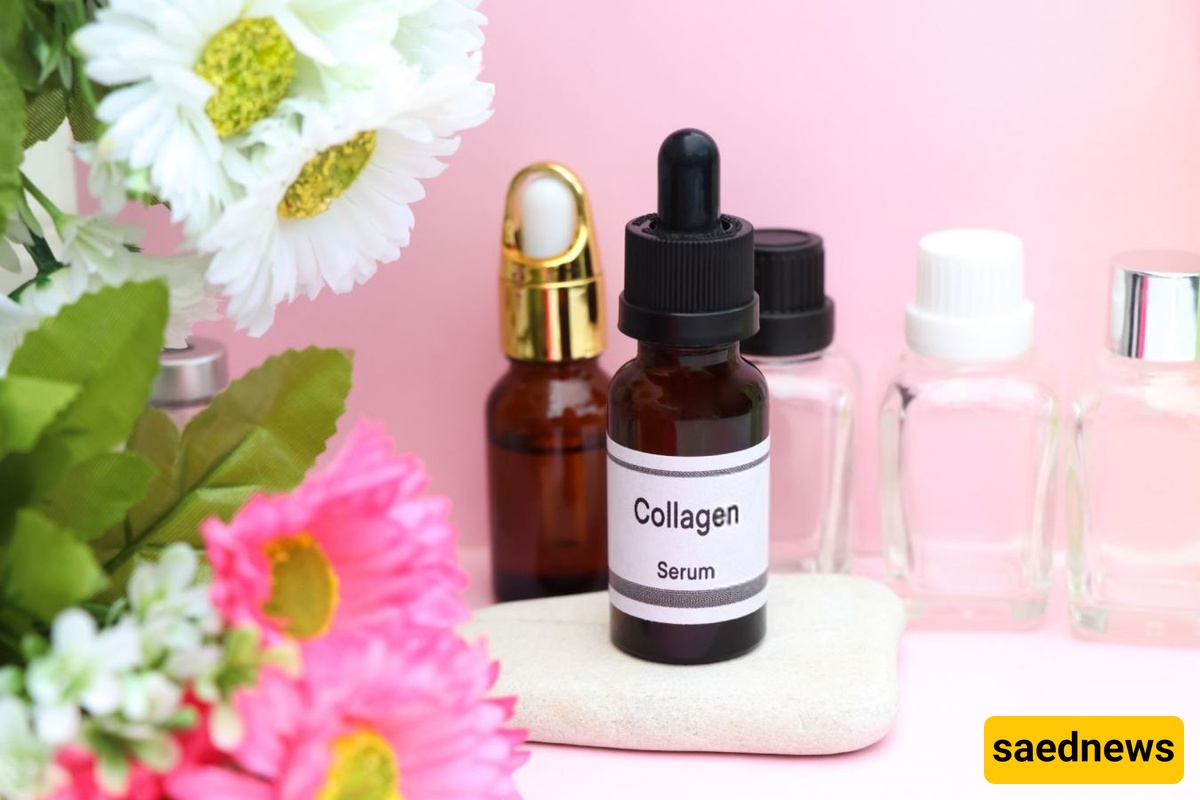
According to Saednews, Skin aging is a major concern for many people, particularly after their thirties. As we age, the skin naturally produces less collagen, leading to fine lines, wrinkles, sagging, and a loss of radiance.
Today, the beauty and skincare industry offers a wide range of products designed to address these concerns. Among them, collagen-boosting serums have become increasingly popular for their potential to improve skin firmness, texture, and overall appearance.
However, with so many products available, choosing the right collagen-boosting facial serum can be challenging. This guide explores how these serums work, which ingredients to look for, and how to choose and use a product that suits your skin's needs.
Collagen is the most abundant structural protein in the human body and accounts for approximately 75% of the skin's dry weight. It acts as a supportive framework, helping the skin maintain its strength, elasticity, and firmness. Simply put, collagen helps the skin look firm, youthful, and plump.
As we age, particularly from our mid-twenties onward, the body's collagen production gradually declines by approximately 1% per year. This process can accelerate in women after menopause.
In addition to natural aging, several external factors can speed up collagen breakdown, including excessive exposure to ultraviolet (UV) radiation, air pollution, stress, an unbalanced diet, and smoking.
Over time, these factors can contribute to thinner skin, wrinkles, reduced elasticity, and sagging.
Contrary to popular belief, collagen-boosting serums do not necessarily contain collagen itself. Collagen molecules are relatively large and generally cannot penetrate the skin barrier deeply enough to reach the skin's inner layers.
Instead, these serums typically contain active ingredients intended to support the skin's natural collagen production. This is why they are often described as collagen-boosting rather than simply collagen-containing products.
Certain ingredients may help stimulate fibroblasts, the cells responsible for producing collagen, while supporting skin renewal. Other ingredients provide antioxidant protection and help limit processes associated with collagen degradation.
A well-formulated serum can therefore help support collagen production while protecting the skin from environmental stressors. However, the effectiveness of these products depends on their ingredients, concentrations, formulation, and ability to penetrate the skin.
Choosing an effective serum starts with understanding the active ingredients that can support skin health and improve the appearance of aging.
Vitamin C is a powerful antioxidant that plays an essential role in collagen synthesis. It is required for the hydroxylation of proline and lysine, two amino acids involved in maintaining collagen's structure and stability.
Vitamin C also helps protect the skin against free radical damage caused by environmental stressors, including UV exposure.
Many facial serums contain vitamin C at concentrations of approximately 10–20%. For sensitive skin, gentler derivatives, such as magnesium ascorbyl phosphate or sodium ascorbyl phosphate, may be better tolerated.
Peptides are short chains of amino acids that can play a role in skin signaling and the production of structural proteins, including collagen and elastin.
Certain cosmetic peptides, such as Matrixyl-associated peptides and Argireline, are used in skincare formulations to target visible signs of aging.
Depending on the specific peptide and formulation, these products may help improve the appearance of fine lines and support skin firmness. Their effectiveness varies, and evidence for individual peptides is not equally strong.
Retinol and other retinoids are widely used ingredients in anti-aging skincare. They influence skin cell turnover and can help improve skin texture, uneven tone, and the appearance of wrinkles.
With regular use, retinol can stimulate collagen production and help reduce collagen breakdown, contributing to smoother-looking skin over time.
However, retinol may initially cause dryness, redness, irritation, or peeling. It is best to start with a low concentration and apply it gradually as the skin builds tolerance.
People who are pregnant or planning pregnancy should consult a healthcare professional and generally avoid topical retinoids during pregnancy.
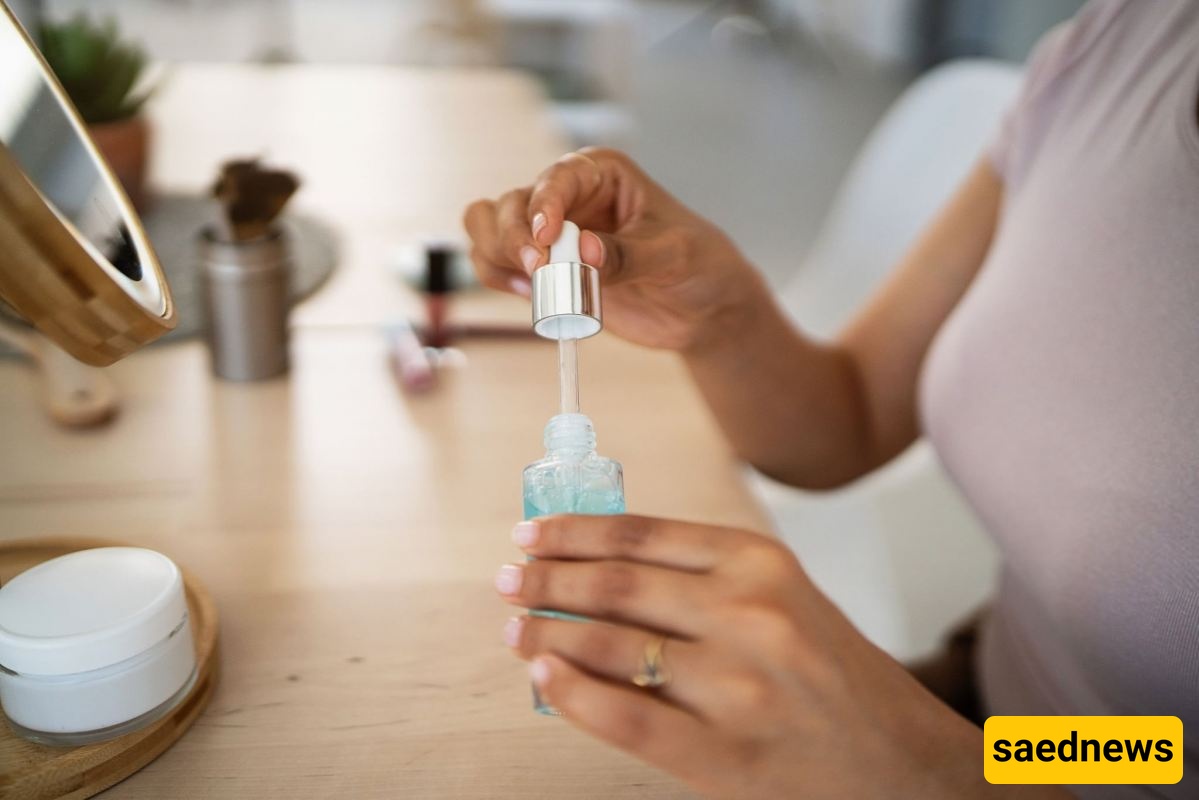
Niacinamide is a versatile skincare ingredient that helps strengthen the skin barrier. It supports ceramide production, helps reduce moisture loss, and improves the skin's ability to retain hydration.
It may also help maintain collagen by influencing processes involved in its breakdown. Additional benefits include improved skin tone, reduced redness, and less noticeable pores.
Because niacinamide is generally well tolerated, it can be suitable for many skin types, including sensitive and acne-prone skin.
Hyaluronic acid is a highly effective humectant that attracts and retains water, helping the skin maintain hydration.
Although it does not directly stimulate collagen production in the same way as certain retinoids, it helps create a well-hydrated skin environment and temporarily plumps the skin's surface.
Hydrated skin often looks smoother, fuller, and more radiant, while fine lines associated with dryness may become less noticeable.
Many well-formulated facial serums combine hyaluronic acid with other active ingredients to provide both hydration and targeted anti-aging benefits.
Several additional ingredients can complement a collagen-supporting skincare routine:
Ceramides: Help strengthen the skin barrier and prevent moisture loss.
Antioxidants: Ingredients such as vitamin E, resveratrol, and green tea extract help protect the skin against oxidative stress.
Adenosine: Used in some anti-aging formulations to help improve the appearance of wrinkles and support smoother-looking skin.
The best serum for you depends on your skin type, age, specific concerns, tolerance to active ingredients, and budget.
Dry skin: Look for hydrating formulas containing hyaluronic acid, ceramides, and other moisturizing ingredients.
Oily or acne-prone skin: Lightweight, non-comedogenic formulations may be preferable. Niacinamide can help support the skin barrier, while retinoids may be useful for certain acne and aging concerns.
Sensitive skin: Start with gentle formulations and lower concentrations of active ingredients. Peptides and niacinamide may be suitable options, although individual reactions can vary.
Normal skin: You may be able to use a broader range of active ingredients, depending on your specific concerns and skin tolerance.
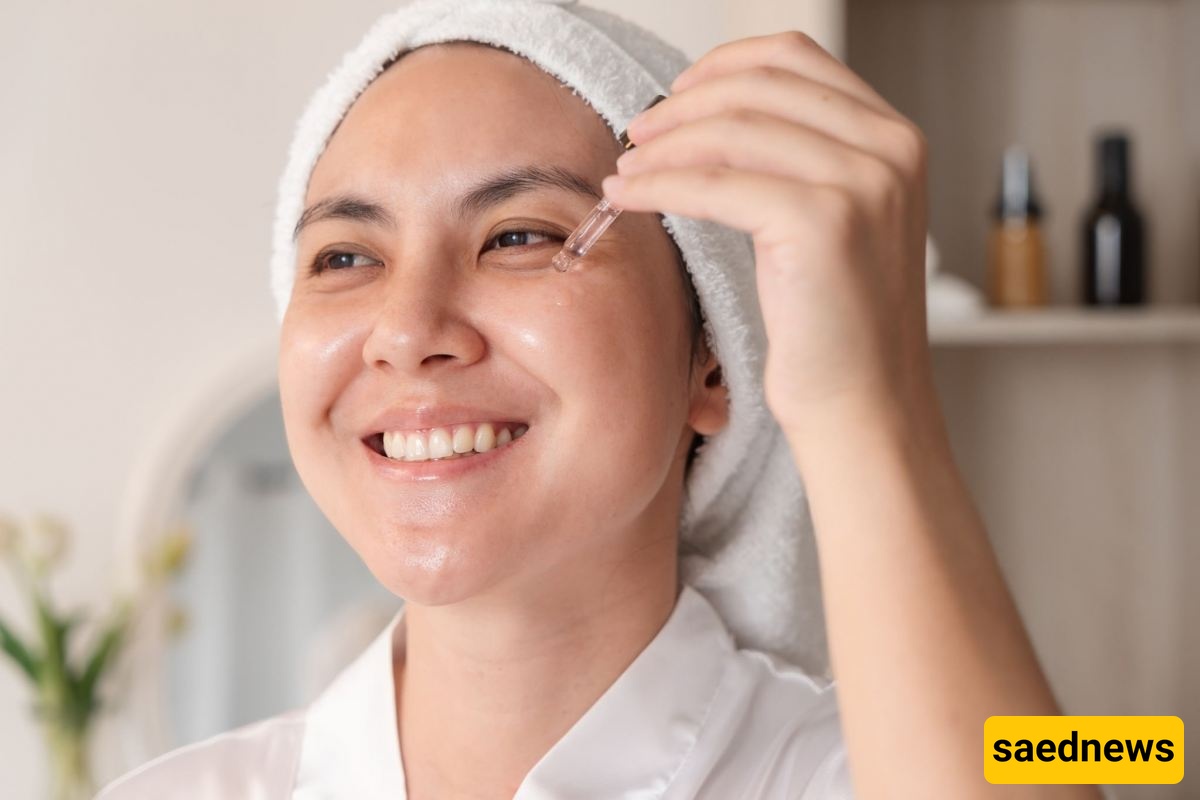
The concentration of an ingredient can influence both its effectiveness and its potential to cause irritation.
For example, vitamin C serums containing approximately 10–15% vitamin C may be suitable starting points for many users. Retinol products are available in concentrations ranging from around 0.1% to 1%, and beginners generally benefit from starting at the lower end.
Higher concentrations are not automatically more effective for everyone. A well-formulated product that your skin tolerates consistently may offer better results than a stronger product that causes irritation.
Some ingredients complement one another and address multiple skin concerns simultaneously.
For example, a serum containing vitamin C, peptides, and hyaluronic acid may combine antioxidant protection, hydration, and support for smoother-looking skin.
However, introducing several active ingredients at once can increase the risk of irritation. If your skin is sensitive, consider using vitamin C in the morning and retinol at night rather than introducing both into the same routine immediately.
Niacinamide and hyaluronic acid can generally be incorporated into routines containing other common skincare actives.
Choose a formulation that suits your skin and avoids ingredients that you know cause irritation.
Fragrance-free products may be preferable for sensitive skin. Packaging also matters: vitamin C formulations, in particular, can deteriorate when exposed to light and air. Opaque, airtight packaging can help preserve their stability.
Parabens and sulfates are not automatically harmful in skincare products, so their presence or absence alone should not determine whether a serum is effective or suitable.
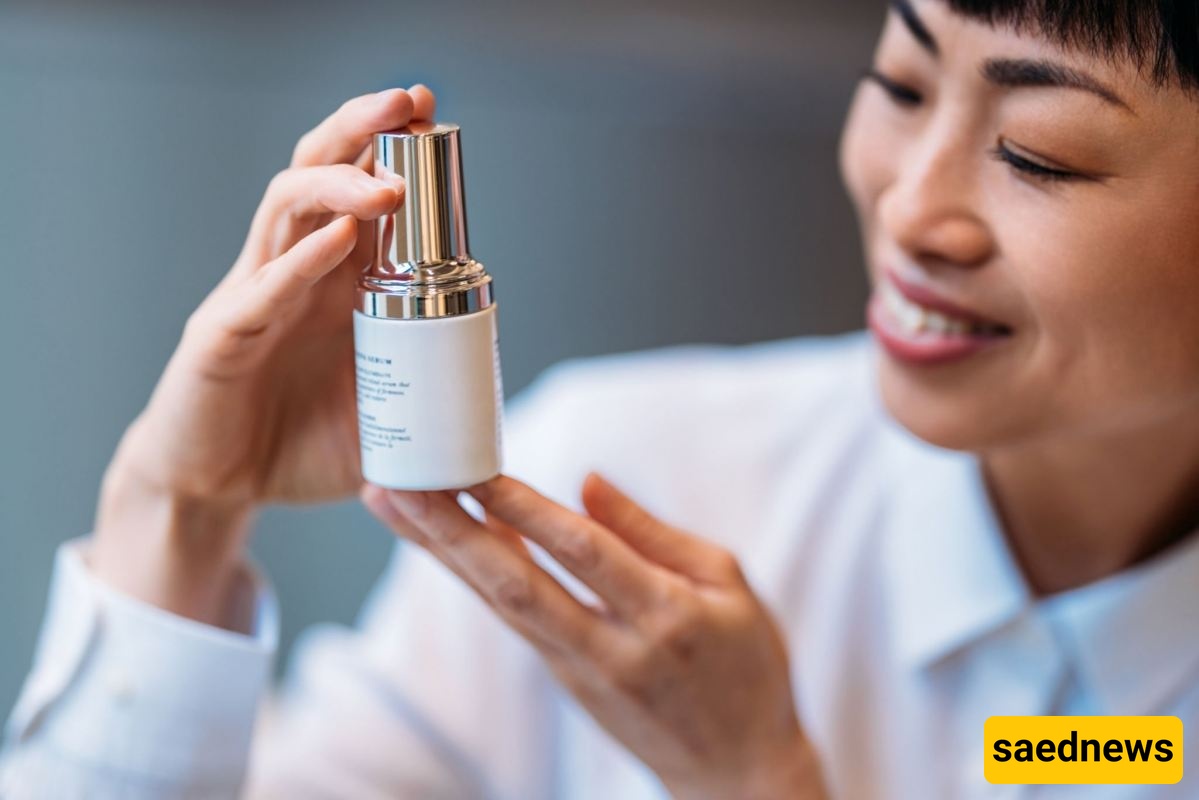
Consistent use and a suitable skincare routine are essential for getting the most out of your serum.
Follow these steps:
Cleanse: Wash your face with a gentle cleanser and pat your skin dry with a soft towel.
Apply toner (optional): If you use toner, apply it according to the product instructions.
Apply the serum: Dispense a few drops and gently spread the product over your face and neck, avoiding the eye area unless the product is specifically designed for it.
Moisturize: Once the serum has been applied, use a suitable moisturizer to help maintain hydration and support the skin barrier.
Apply sunscreen: In the morning, finish with broad-spectrum sunscreen with an SPF of at least 30.
Retinol is commonly used in the evening because it can increase sensitivity to irritation. Vitamin C serums are often used in the morning to provide antioxidant support alongside sunscreen.
There is no single best application time for every serum. Follow the product instructions and adjust your routine according to your skin's tolerance.
Rather than choosing a product based solely on its brand or price, consider the active ingredients and the skin concerns you want to address.
Vitamin C serums: A good option for people looking to improve dullness, uneven skin tone, and the appearance of photoaging while providing antioxidant protection.
Peptide serums: Worth considering for those seeking a generally gentle approach to improving the appearance of fine lines and skin firmness.
Retinol serums: Often a strong option for targeting visible wrinkles, uneven texture, and other signs of photoaging, provided the skin can tolerate them.
Hydrating serums: Formulas containing hyaluronic acid can help improve skin hydration and temporarily soften the appearance of fine lines.
Before purchasing a serum, consider consulting a dermatologist, particularly if you have sensitive skin, a skin condition, or concerns that require targeted treatment.
A higher price does not necessarily mean better results. The quality of the formulation, the evidence supporting its ingredients, and its suitability for your skin are more important considerations.
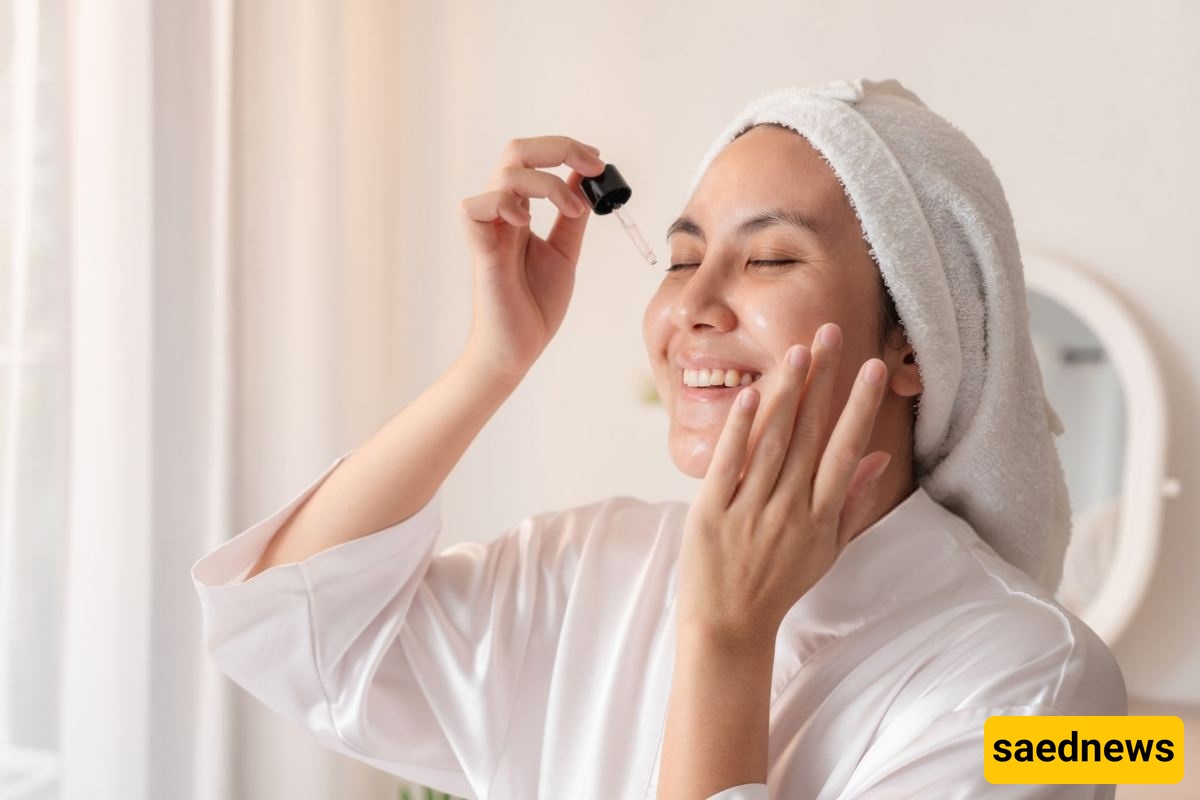
Serums are only one part of an effective skincare strategy. Diet and lifestyle also influence overall skin health.
Eating a balanced diet rich in vitamin C, protein, and antioxidants can help provide the nutrients needed for normal collagen production. Good sources of vitamin C include citrus fruits, bell peppers, and kiwi. Adequate protein intake is also important for maintaining the body's structural proteins.
Other helpful habits include:
Drinking enough water to maintain normal hydration.
Getting sufficient sleep.
Managing stress.
Avoiding smoking.
Limiting excessive alcohol consumption.
Applying broad-spectrum sunscreen daily to help prevent UV-related collagen damage.
Among these measures, consistent sun protection is particularly important for preventing premature skin aging.
The best collagen-boosting facial serum is one that contains suitable, evidence-supported ingredients at appropriate concentrations and matches your skin type and concerns.
Ingredients such as vitamin C, retinoids, peptides, niacinamide, and hyaluronic acid can serve different purposes, from supporting collagen production and providing antioxidant protection to improving hydration and skin texture.
No serum can transform your skin overnight. However, consistent use of a suitable product, combined with a well-balanced skincare routine and healthy lifestyle habits, may gradually improve the appearance of skin firmness, smoothness, and radiance.
When choosing a serum, focus on its formulation, your skin's needs, and your tolerance to active ingredients rather than relying on marketing claims or price alone. Consult a dermatologist when needed, and be patient: visible improvements may take several weeks to a few months, depending on the ingredients and the skin concern being addressed.