SAEDNEWS: Lingering odors after washing are often linked to detergent buildup, trapped moisture, an overloaded machine, or poor drying conditions. Simple changes to washing and drying habits can help keep clothes fresh.

According to SAEDNEWS, freshly washed clothes should generally have a clean, neutral scent, but unpleasant or musty odors can sometimes remain after a wash. The problem does not always mean the detergent is ineffective. Residue, moisture, and the washing machine itself can all contribute to odors becoming trapped in fabric.
Several factors can affect how fresh laundry smells after washing:
Too much detergent: Excess detergent may not rinse away completely and can leave residue on fabrics.
Overloading the washing machine: When the drum is packed too tightly, water and detergent may not circulate effectively through the clothes.
Leaving wet laundry in the machine: Damp clothes left inside a closed washer for too long can develop a musty smell.
Poor drying: Slow drying in a humid or poorly ventilated space can allow unpleasant odors to persist.
Residue inside the washing machine: Detergent, fabric softener, lint, and moisture can accumulate in areas such as the detergent drawer, door seal, or drum.
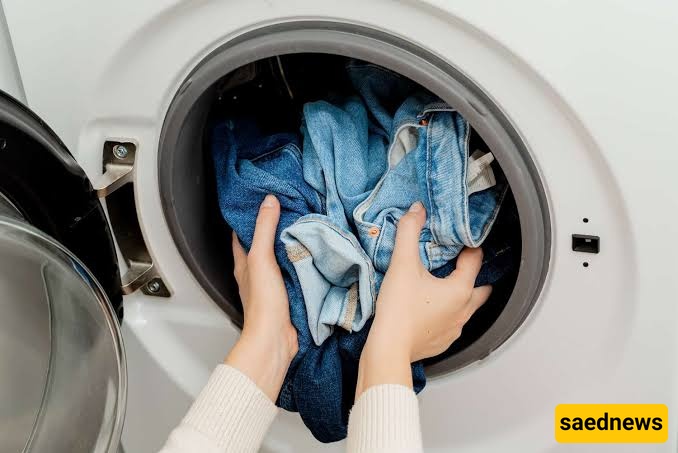
If several loads develop a similar odor, the machine itself may need attention. Moisture and residue can remain in hidden areas, particularly around rubber seals and detergent compartments. Regular cleaning according to the manufacturer's instructions can help reduce buildup.
It is also useful to follow the recommended amount of detergent rather than assuming that more will produce cleaner laundry. The appropriate amount depends on factors such as the detergent, load size, water conditions, and how dirty the clothes are.
A few practical changes can make a noticeable difference:
Avoid filling the drum excessively. Clothes need enough space for water and detergent to move through them.
Use the detergent manufacturer's recommended amount. More detergent is not necessarily better.
Remove laundry promptly after the cycle ends. Do not leave damp clothes sitting in the closed machine unnecessarily.
Dry clothes thoroughly. Good airflow can help them dry more quickly and reduce lingering damp odors.
Clean the washer regularly. Pay attention to removable detergent compartments and areas where moisture or residue collects.
Check care labels. Using an appropriate wash temperature and cycle helps clean fabrics without damaging them.
If clothes repeatedly smell unpleasant despite proper washing and drying, look for a pattern. The odor may be stronger in certain fabrics, after particular wash cycles, or when laundry takes a long time to dry. Synthetic fabrics, for example, can sometimes retain body-related odors more readily than some natural fibers.
A consistently unpleasant smell can also indicate that the washing machine needs a more thorough cleaning or maintenance. Following the appliance manufacturer's cleaning and maintenance instructions is the safest approach.
Fresh-smelling laundry depends on more than simply adding detergent. Proper load size, appropriate detergent use, a clean washing machine, and prompt, thorough drying all play a role in keeping clothes clean and fresh.