SAEDNEWS: Some kitchen items can be damaged by dishwasher heat, strong detergents, or prolonged exposure to water. Knowing which items to wash by hand can help preserve their quality and appearance.
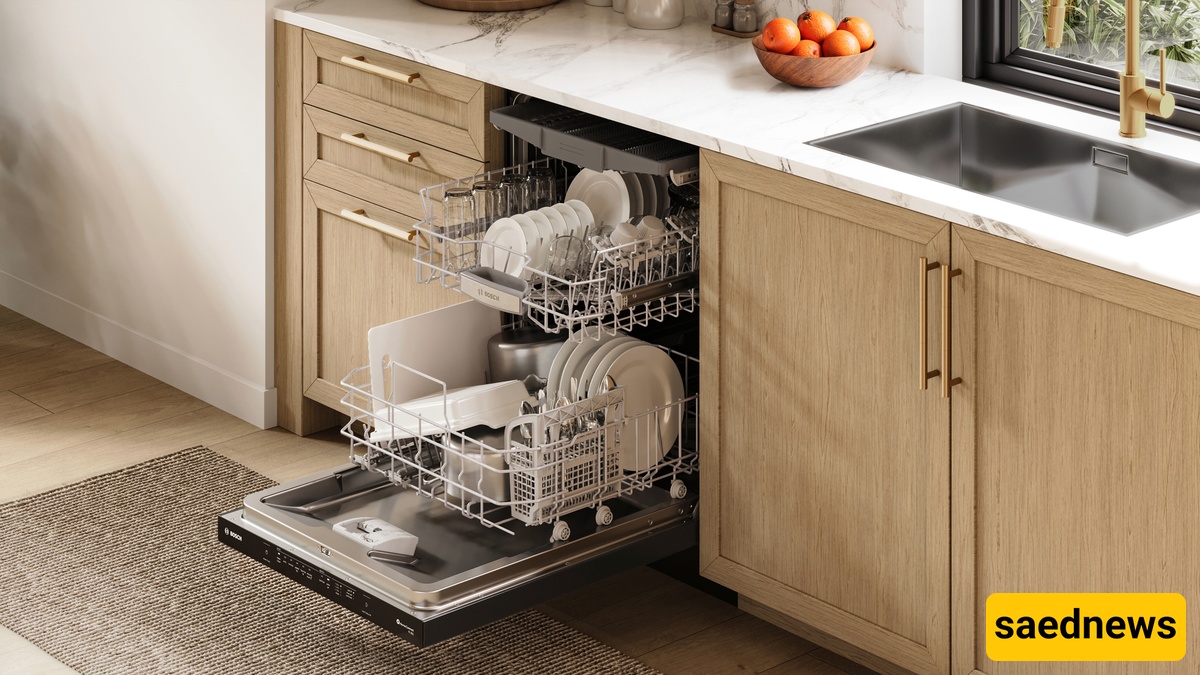
According to SAEDNEWS, not every kitchen item is designed to withstand the heat, water pressure, and detergents used in a dishwasher. While machine washing is convenient for many everyday dishes, certain materials can warp, discolor, corrode, crack, or lose their finish when exposed to dishwasher conditions.
Some common kitchen items are safer to clean manually:
Wooden utensils and cutting boards
Nonstick cookware
Cast-iron cookware
Sharp kitchen knives
Insulated bottles and containers
Delicate glassware
Items with glued or decorative parts
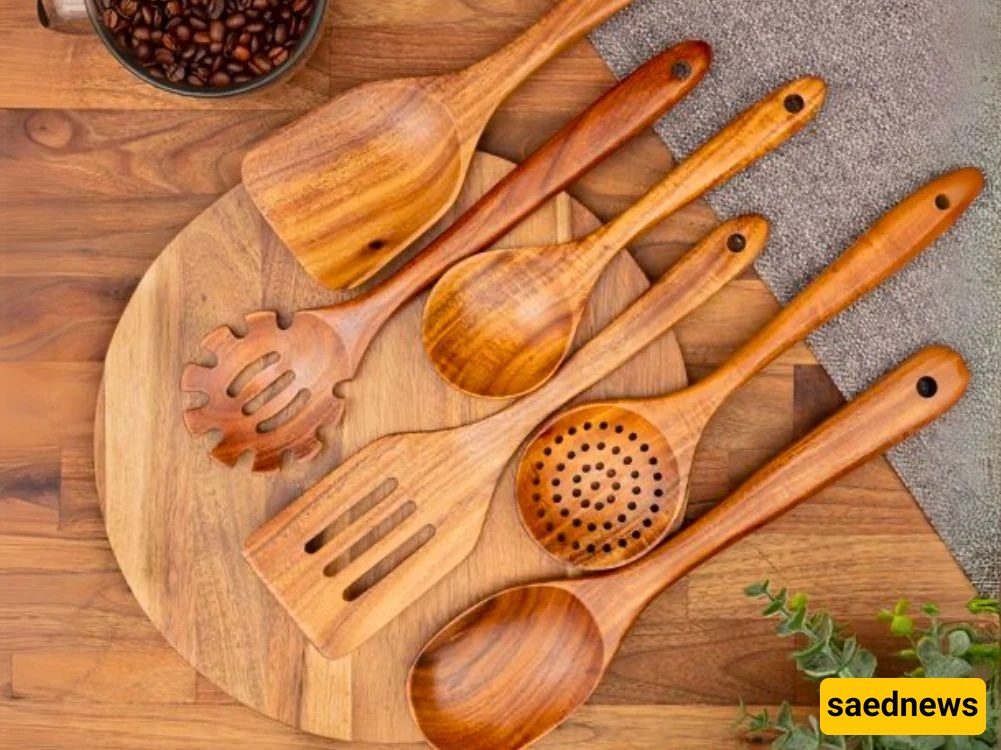
Wooden utensils and cutting boards can absorb water and detergent during repeated dishwasher cycles. The combination of heat and moisture may cause wood to swell, warp, crack, or develop a rough surface. Hand washing with mild dish soap and prompt drying is generally a better option.
Nonstick cookware may also be better kept out of the dishwasher, particularly when the manufacturer does not specifically label it as dishwasher-safe. Repeated exposure to high heat and strong detergents can contribute to deterioration of the coating over time.
Cast-iron cookware requires special care because prolonged exposure to water can encourage rust and may remove the seasoning that helps protect the cooking surface. Unless the manufacturer gives different instructions, hand washing and thorough drying are preferable.
Sharp kitchen knives are another item that often benefits from hand washing. Dishwasher cycles can expose blades to strong water jets and contact with other utensils, potentially causing the edges to become dull more quickly. Washing them separately by hand also reduces the chance of damaging the blade or other dishes.
Insulated bottles and containers should also be checked carefully before being placed in a dishwasher. Some contain vacuum insulation, seals, coatings, or components that may not tolerate high temperatures. Always follow the manufacturer's care instructions, especially for products with removable lids or multiple parts.
The safest rule is to look for the dishwasher-safe label or manufacturer's instructions before putting an unfamiliar kitchen item into the machine. Materials and construction vary considerably, so an item that looks similar to another dishwasher-safe product may require different care.
For delicate glassware, decorated dishes, wooden pieces, and cookware with special coatings, hand washing can help extend their useful life. A few extra minutes at the sink may prevent scratches, fading, warping, rust, or other avoidable damage.