SAEDNEWS: Proper salt intake during pregnancy supports a balanced diet, but excessive consumption may affect maternal and fetal health. Understanding recommended habits can help pregnant women make informed choices.
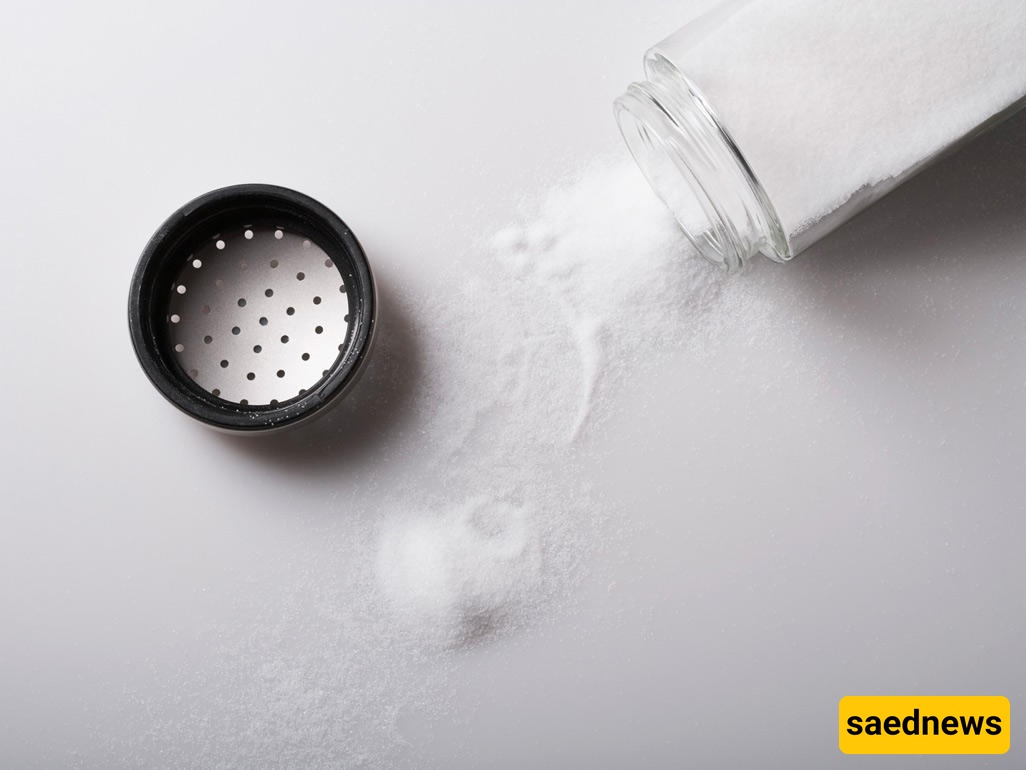
According to SAEDNEWS, salt intake during pregnancy requires balance rather than complete elimination. Sodium, the main component of salt, is an essential mineral that helps regulate fluid balance, nerve function, and muscle activity. However, consuming too much salt can contribute to excessive sodium intake and may increase the risk of health concerns during pregnancy, especially for women who are sensitive to sodium or have certain medical conditions.
The body needs sodium to maintain normal physiological functions. During pregnancy, changes in blood volume and fluid balance make proper mineral intake important. Most people can meet their sodium needs through a normal balanced diet without adding large amounts of salt to meals.
The main concern is not naturally occurring sodium in nutritious foods but frequent consumption of foods that contain high levels of added salt.

Many pregnant women consume more sodium than they realize because it is often hidden in everyday foods. Common sources include:
• Packaged snacks and salty foods
• Processed or ready-made meals
• Canned foods with added sodium
• Some breads and bakery products
• Salty sauces and seasonings
Reading food labels can help identify products with high sodium content and support healthier choices.
Pregnant women can reduce unnecessary salt intake with simple habits:
Taste food before adding extra salt
Many meals already contain enough sodium from their ingredients, so additional salt may not always be needed.
Use herbs and spices for flavor
Fresh herbs, lemon juice, and suitable spices can add taste without relying heavily on salt.
Choose fresh foods more often
Fruits, vegetables, whole grains, and fresh protein sources generally allow better control over sodium intake compared with many processed alternatives.
Check nutrition labels
Comparing products can help choose options with lower sodium levels.
High salt consumption may contribute to increased blood pressure in some individuals. Since high blood pressure during pregnancy can require medical attention, pregnant women should follow the advice of their healthcare provider, especially if they have a history of hypertension or pregnancy-related blood pressure problems.
At the same time, avoiding salt completely without medical advice is not recommended because sodium plays a necessary role in the body.
A healthy approach to salt during pregnancy includes:
• Avoiding excessive use of added salt
• Maintaining a varied and nutrient-rich diet
• Choosing fresh foods whenever possible
• Following personalized recommendations from healthcare professionals
Every pregnancy is different, and nutritional needs may vary depending on overall health, lifestyle, and medical history. Balanced eating habits can help support both maternal well-being and healthy pregnancy development.