SAEDNEWS: Proper meat choices and safe preparation methods can help pregnant women meet their nutritional needs while reducing food safety risks.
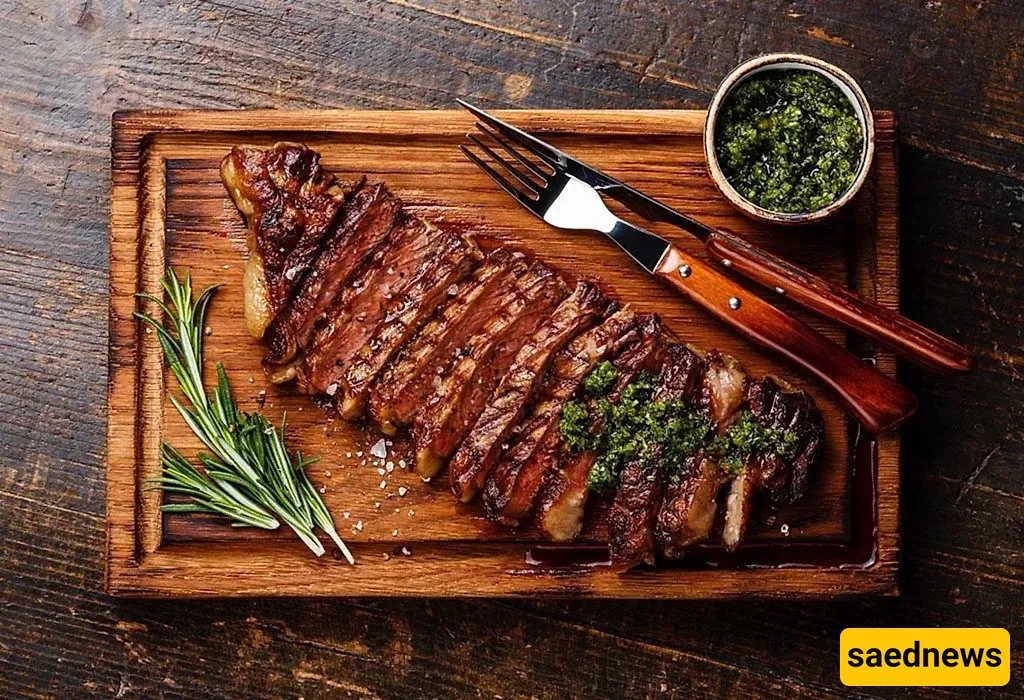
According to SAEDNEWS, meat can be an important part of a balanced pregnancy diet because it provides nutrients such as high-quality protein, iron, zinc, and vitamin B12. These nutrients support the mother’s health and play a role in the baby’s growth and development. However, choosing safe sources and preparing meat correctly are essential during pregnancy.
Protein is needed for the growth and repair of body tissues, while iron helps produce hemoglobin, the protein that carries oxygen in the blood. During pregnancy, the body’s need for some nutrients increases, making nutrient-rich foods an important part of daily meals.
Meat can provide nutrients that may be harder to obtain in sufficient amounts from some other foods, especially:
• Iron: Supports healthy blood production and helps reduce the risk of iron deficiency when included as part of a balanced diet.
• Protein: Helps support the development of maternal tissues and the growing baby.
• Vitamin B12: Important for normal nerve function and blood cell formation.
• Zinc: Contributes to normal growth and immune function.
Pregnant women can include different types of properly prepared meat in their meals. When selecting meat, consider these points:
Choose fresh and reliable sources
Buy meat from clean, trusted suppliers and store it properly to maintain food safety.
Prefer lean cuts when possible
Leaner pieces of meat can provide protein and important nutrients while helping reduce excess intake of saturated fat.
Pay attention to variety
A balanced diet usually includes different nutrient sources rather than relying on only one type of food.
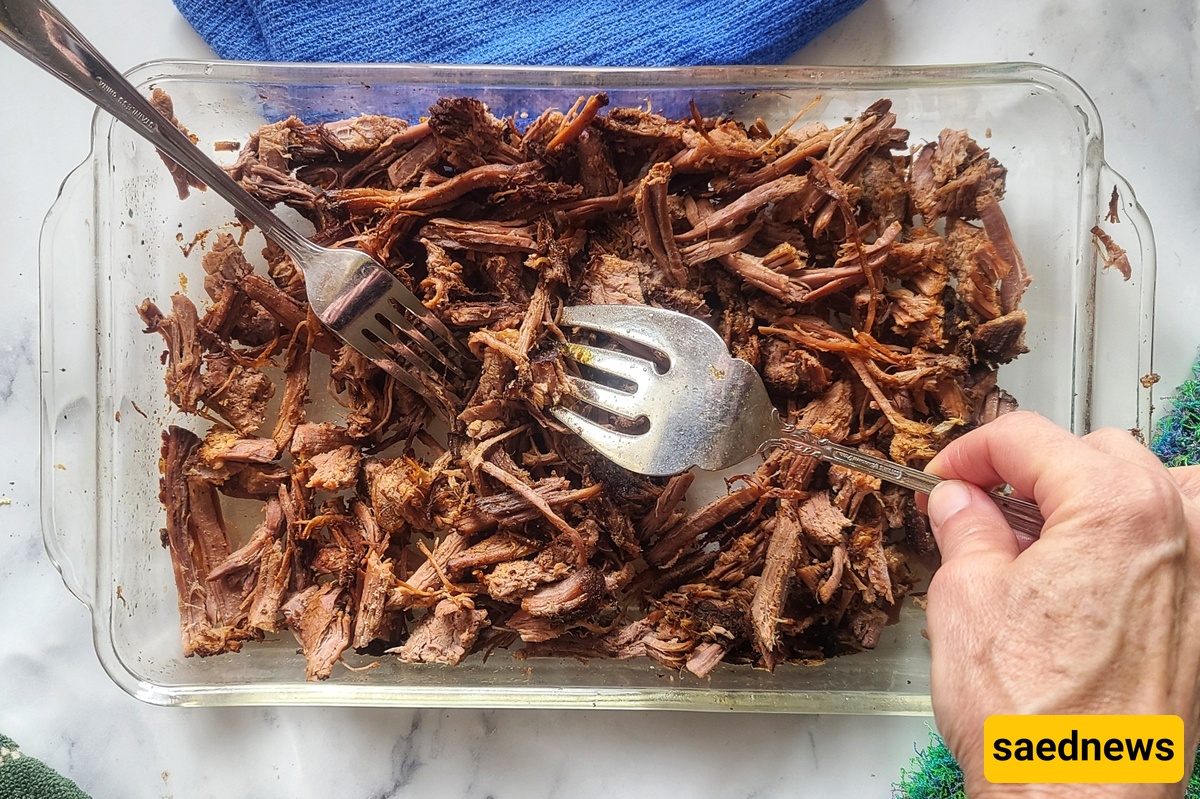
One of the most important aspects of eating meat during pregnancy is ensuring that it is cooked properly. Raw or undercooked meat may carry microorganisms that can cause foodborne illness.
Helpful practices include:
• Cooking meat thoroughly until it reaches a safe internal temperature.
• Avoiding tasting meat before it is fully cooked.
• Washing hands, utensils, and surfaces after handling raw meat.
• Storing meat at appropriate temperatures and avoiding leaving it at room temperature for long periods.
Some habits can increase food safety concerns during pregnancy:
Eating undercooked meat
Meat that is not cooked completely may increase the risk of exposure to harmful bacteria or parasites.
Poor storage practices
Improper refrigeration or leaving cooked meat out for too long can affect its safety.
Ignoring dietary balance
Although meat provides valuable nutrients, a healthy pregnancy diet should also include other nutritious foods such as vegetables, fruits, whole grains, and suitable dairy or alternative sources.
Meat can be added to meals in simple ways, such as:
• Adding cooked lean meat to soups or stews.
• Combining meat with vegetables and whole grains for balanced meals.
• Using moderate portions alongside other nutrient-rich foods.
Women with specific dietary needs, medical conditions, or concerns about iron levels should discuss their food choices with a healthcare professional for personalized guidance.
A safe and balanced approach to meat consumption during pregnancy focuses on quality, proper cooking, and variety. Choosing nutritious foods and following food safety practices can help support a healthier pregnancy journey.