SAEDNEWS: Nuts can be a nutritious part of a pregnancy diet, providing protein, healthy fats, fiber, and several essential micronutrients. Choosing safe, minimally processed options and considering individual allergies and dietary needs can help make them a practical snack during pregnancy.
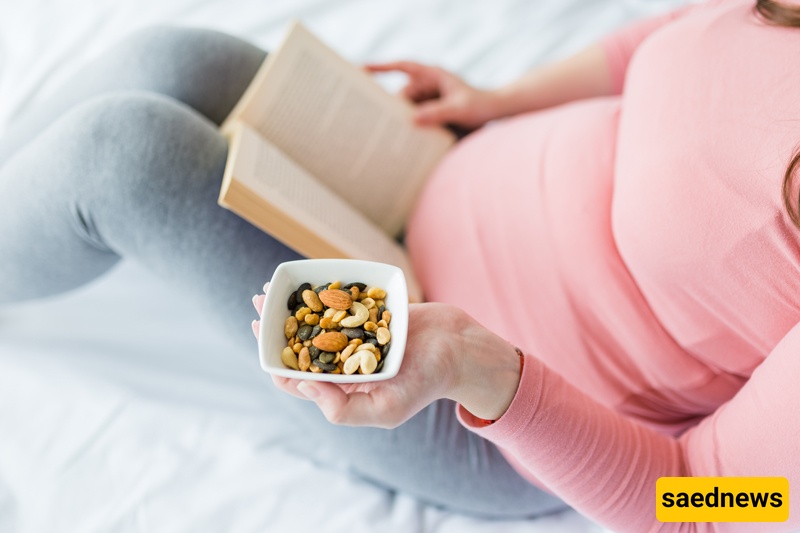
According to SAEDNEWS, nuts can fit well into a balanced pregnancy diet when they are eaten as part of a varied eating pattern. Almonds, walnuts, pistachios, hazelnuts, and other nuts provide nutrients such as protein, unsaturated fats, fiber, magnesium, and other vitamins and minerals that contribute to overall maternal nutrition.
During pregnancy, the quality of the nuts matters as much as the choice of nut. Plain or lightly processed nuts are generally preferable to varieties with large amounts of added salt, sugar, or flavorings. Nuts can be eaten on their own or added to suitable foods such as oatmeal, whole-grain meals, or salads.
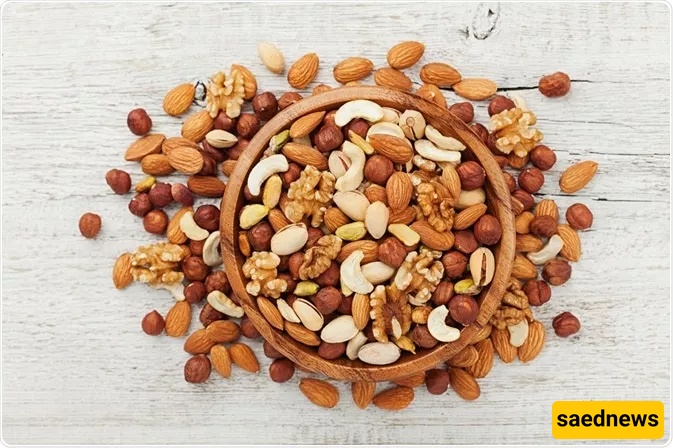
Useful choices include:
Almonds
Walnuts
Pistachios
Hazelnuts
Cashews
Peanuts
Different nuts provide different nutrient profiles, so varying the types consumed can help add dietary diversity.
Nuts should be fresh and properly stored. Pregnant women can be more vulnerable to certain foodborne illnesses, making general food-safety practices especially relevant. Check packaging for damage, avoid nuts that appear moldy or have an unusual smell, and store them according to the package instructions.
Nut butters can also be included in the diet, provided they are made from safe ingredients and stored properly. Products with excessive added sugar or salt may be less suitable for regular consumption.
A personal history of nut allergy requires special attention. Anyone who has previously experienced an allergic reaction to a particular nut should avoid it and follow the advice of their healthcare professional. Symptoms such as swelling of the lips or face, difficulty breathing, widespread hives, or dizziness after eating a food require urgent medical attention.
For pregnant women without a known allergy, there is no general reason to avoid nuts simply because they are pregnant. Current dietary guidance does not recommend routinely excluding common allergenic foods from the maternal diet unless there is a specific medical reason.
Although nuts are nutrient-dense, they are also relatively high in energy because of their fat content. A practical approach is to treat them as one component of a balanced diet rather than relying on them as a major source of calories.
For everyday eating, a small handful can work as a convenient snack alongside other nutritious foods. Individual needs can vary during pregnancy, particularly when dietary requirements or medical conditions are involved, so a doctor or registered dietitian can provide personalized guidance.
Overall, nuts can be a convenient and nutrient-rich addition to pregnancy meals and snacks. Choosing a variety of plain, properly stored nuts and paying attention to allergies, portion sizes, and the rest of the diet can help pregnant women include them safely as part of a balanced eating pattern.