SAEDNEWS: Small, nutrient-rich meals can help pregnant women maintain energy and support nutritional needs when appetite decreases.

According to SAEDNEWS, reduced appetite is a common experience during some stages of pregnancy, especially when nausea, changes in taste and smell, or digestive discomfort make regular meals difficult. Instead of forcing large portions, choosing small meals and snacks with valuable nutrients can help pregnant women receive enough energy and essential nutrients throughout the day.
During pregnancy, the body needs a steady supply of nutrients to support maternal health and fetal growth. However, hormonal changes and physical discomfort may reduce the desire to eat. Eating smaller portions more frequently can feel easier to tolerate and may help prevent long gaps without food.
Small meals can be especially useful when a pregnant woman experiences:
Morning sickness or nausea
Feeling full quickly
Reduced interest in food
Digestive discomfort after large meals
Changes in food preferences
A small meal does not need to be large to provide important nutrients. Combining different food groups can make snacks and light meals more balanced.
Some suitable options include:
• Yogurt with fruit and nuts
This combination can provide protein, calcium, healthy fats, and vitamins. Choosing plain yogurt and adding fresh fruit can create a simple and satisfying option.
• Whole-grain bread with eggs or cheese
Whole grains provide carbohydrates for energy, while eggs or cheese can add protein and other nutrients needed during pregnancy.
• Fruit with nut butter or a handful of nuts
Fruits provide fiber and various vitamins, while nuts can add healthy fats and protein to make the snack more filling.
• Vegetable soup with beans or lentils
A warm, light soup may be easier to eat during periods of low appetite while providing fluids, fiber, and plant-based protein.
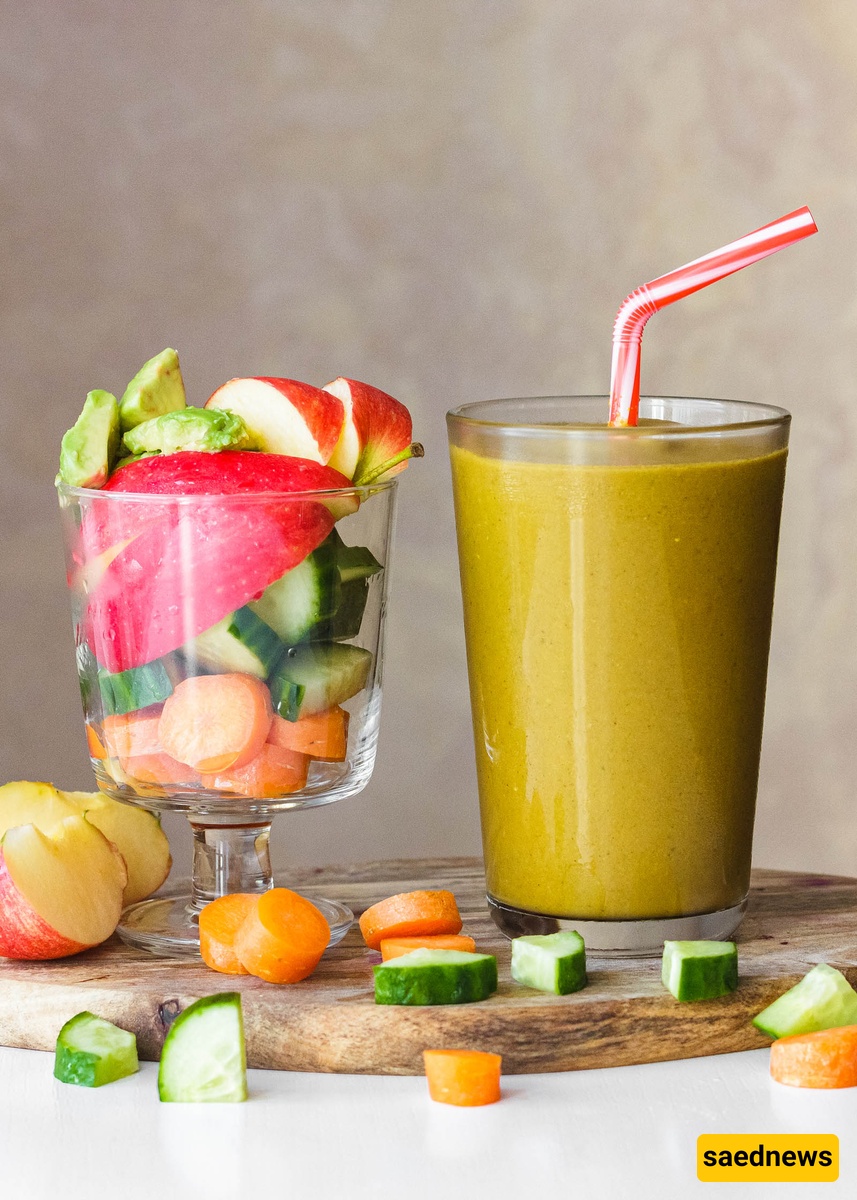
• Smoothies made with nutritious ingredients
A smoothie containing milk or yogurt, fruit, and other wholesome ingredients can be an option when chewing solid foods feels difficult.
Small changes in eating habits may make meals easier during periods of reduced appetite:
Keep simple foods available
Having ready-to-eat nutritious options can help when hunger appears unexpectedly.
Eat when appetite is strongest
Some pregnant women find that they tolerate food better at certain times of the day. Taking advantage of those periods can make it easier to meet nutritional needs.
Focus on quality rather than quantity
When eating less than usual, choosing foods with protein, fiber, vitamins, and minerals can help make each meal more beneficial.
Stay hydrated
Drinking enough fluids is important during pregnancy. Some women may find small sips throughout the day easier than drinking large amounts at once.
During days when appetite is limited, mild and simple foods may feel more comfortable. Many pregnant women prefer options such as:
Fresh fruits
Cooked vegetables
Whole grains
Dairy products
Eggs
Legumes
Nuts and seeds
Food preferences can vary greatly during pregnancy, so listening to the body and choosing well-tolerated nutritious foods can be a practical approach.
A temporary decrease in appetite can happen during pregnancy, but persistent difficulty eating, inability to keep food or fluids down, signs of dehydration, or concerns about nutritional intake should be discussed with a healthcare professional. Individual nutritional needs can vary depending on pregnancy stage and personal health conditions.
Small, balanced meals can make eating more manageable on low-appetite days while helping pregnant women continue to support their health and pregnancy nutrition.