SAEDNEWS: Morning light can provide indoor plants with useful energy for photosynthesis while generally being gentler than intense afternoon sunlight. The right amount depends on the plant species and its light requirements.
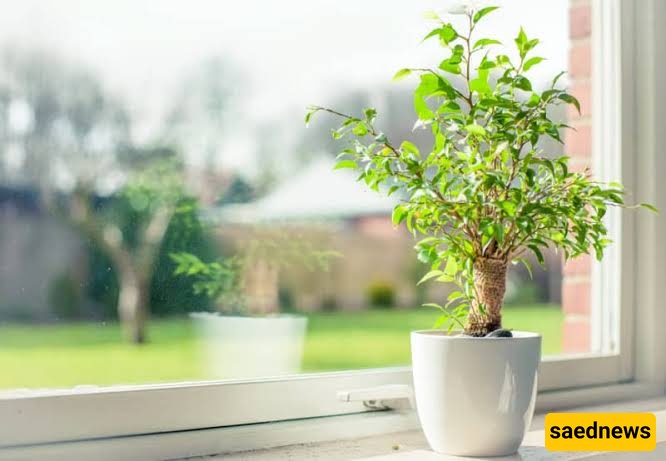
According to SAEDNEWS, morning light can play an important role in the growth of many indoor plants because sunlight provides the energy plants need for photosynthesis. For plants kept near windows, several hours of suitable morning light may support healthy leaf development and overall growth. However, the response varies considerably between species, so a bright location that works well for one plant may be excessive or insufficient for another.
Morning sunlight is often less intense than direct midday or afternoon sunlight. This can make an east-facing window a useful location for indoor plants that appreciate bright light but may struggle with stronger exposure later in the day.
Adequate light helps plants produce energy through photosynthesis. When a plant receives too little light, growth may become slower, leaves may remain smaller, and stems can become unusually elongated as the plant grows toward a light source. Providing an appropriate light level can help maintain more compact and vigorous growth.
Some commonly grown houseplants can respond well to bright morning light, particularly species that prefer bright, indirect light or tolerate some gentle direct sun. Examples include:
Spider plants: Bright, indirect light can support healthy growth, while harsh direct sunlight may scorch the foliage.
Peperomia: Many varieties grow well in bright, indirect conditions and can benefit from gentle window light.
Jade plants: As succulents, they generally need relatively bright light and can tolerate some direct sunlight.
Aloe vera: Strong light is important for this succulent, although sudden exposure to intense sunlight can stress a plant that has been growing in lower light.
Some flowering houseplants: Adequate light can be particularly important for plants that need sufficient energy to produce flowers.
The exact requirement depends on the species, variety, season, window orientation, and distance from the glass.
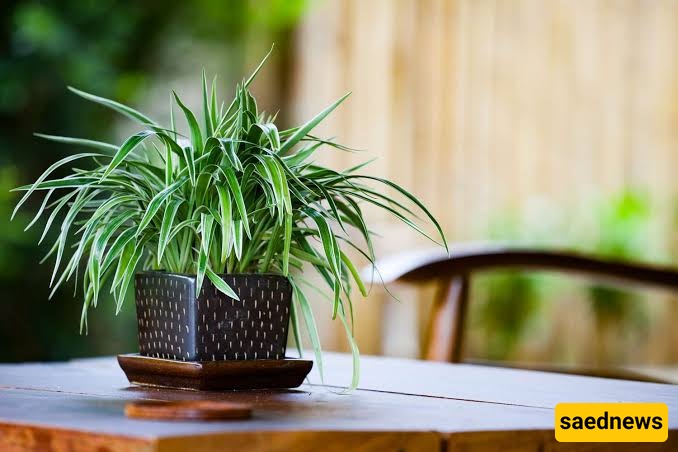
The plant itself can provide useful clues about whether its location is suitable. Signs of insufficient light may include slow growth, pale foliage, or long, weak stems. On the other hand, excessive direct sunlight can cause scorched, bleached, or brown patches on leaves.
A gradual change is usually preferable when moving a plant from a dim location to a much brighter one. Sudden exposure to strong sunlight can damage foliage, even in plants that ultimately prefer brighter conditions.
Place plants according to their individual light needs rather than assuming that every indoor plant should sit directly beside a sunny window. A sheer curtain can soften strong sunlight when necessary, while moving a plant slightly farther from the glass can reduce the intensity without eliminating natural light completely.
Window cleanliness also matters because dust and grime can reduce the amount of light reaching the leaves. Rotating a plant occasionally can help different sides receive more even illumination, although the need for rotation varies among plants.
The key is balance: morning light can support healthy indoor plant growth, but the ideal exposure depends on the plant rather than the time of day alone.