SAEDNEWS: A Complete Guide to Properly Washing, Drying, and Storing Wool, Cotton, and Acrylic Knitted Gloves to Preserve Their Quality and Appearance Over Time
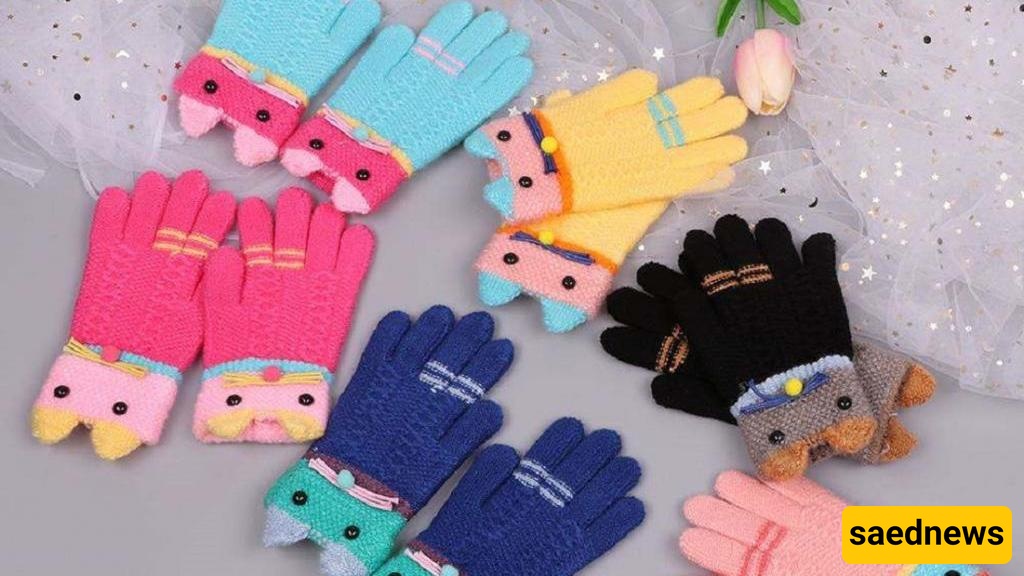
According to Saednews, Knitted gloves are essential and popular accessories during the colder months of the year. Available in a wide range of designs and materials, they not only protect our hands from the cold but also serve as fashionable accessories. However, proper care and storage are important to keep knitted gloves in good condition and extend their lifespan. This guide covers the key tips for cleaning, drying, storing, and caring for knitted gloves.
Before caring for knitted gloves, it is important to identify the material they are made from. Gloves may be produced from natural fibers such as wool and cotton or synthetic fibers such as acrylic. Each material has its own care requirements.
Wool gloves are popular because of their excellent ability to retain warmth. However, they require careful washing and handling. Avoid washing wool gloves in hot water or putting them in a washing machine, as excessive heat and agitation can cause the wool to shrink or become damaged.
Cotton knitted gloves are generally easier to maintain than many other materials. They are often suitable for machine washing, but it is always best to check the manufacturer's care label before washing.
Acrylic gloves are widely used because they are durable and affordable. They generally provide good insulation and are easy to wash. However, their color may fade over time, especially if they are washed or exposed to heat improperly.
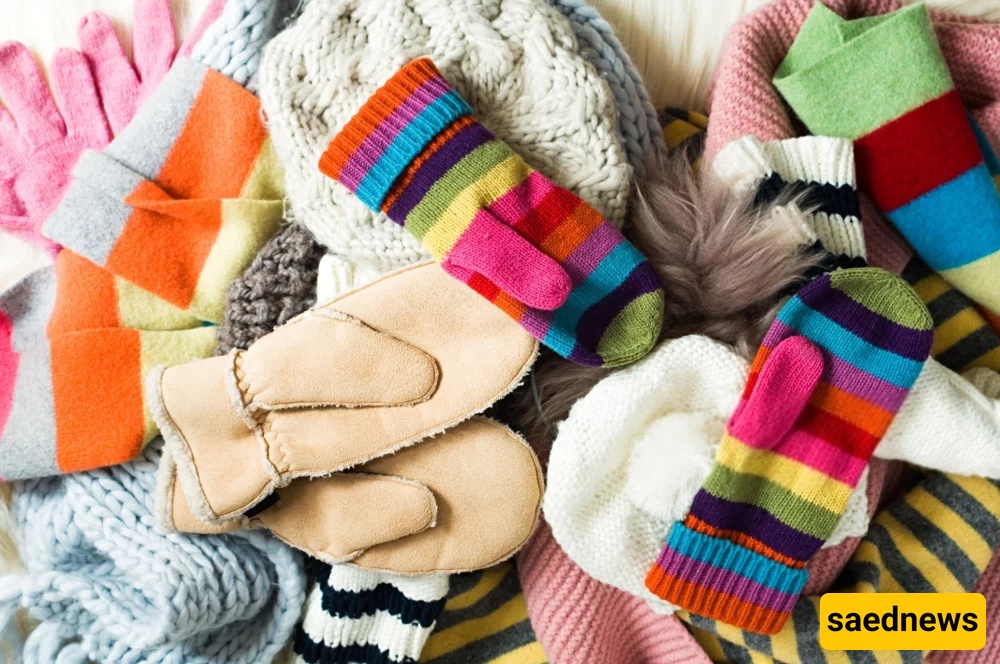
Proper washing is one of the most important steps in maintaining knitted gloves.
Hand washing is generally the safest method for cleaning knitted gloves. Use cold water and a mild detergent or gentle soap. Wash the gloves carefully and avoid vigorous rubbing, twisting, or wringing, as these can damage the knitted fibers and alter their shape.
If your gloves are made from acrylic or cotton, they may be suitable for machine washing. Use a gentle cycle with cold water. Placing the gloves inside a mesh laundry bag can also help protect the knitted fabric from unnecessary friction and damage.
The way knitted gloves are dried can also affect their shape, texture, and overall lifespan.
Air drying is usually the best option. Place the gloves flat on a clean, dry surface and allow them to dry naturally. Avoid hanging wet knitted gloves, as their weight can cause them to stretch or lose their original shape.
Avoid putting knitted gloves in a tumble dryer whenever possible. High temperatures can damage the fibers, cause shrinkage, and affect the quality and shape of the gloves.
Store knitted gloves in a cool, dry place. Avoid leaving them in damp or excessively warm areas, as moisture and heat can contribute to unpleasant odors, fiber damage, and deterioration.
A fabric storage bag is a practical way to protect knitted gloves when they are not being used. It can help keep dust and dirt away while still allowing the material to breathe.
Consistent care can also help knitted gloves maintain their appearance and functionality for longer.
Frequent, continuous use can contribute to wear and reduce the quality of knitted gloves over time. When possible, rotate between several pairs to give each pair time to rest between uses.
Inspect your gloves regularly for loose threads, small holes, or other signs of damage. Repair minor problems as soon as possible to prevent them from becoming more serious.
If wool gloves become rough, a conditioner specifically designed for wool fibers may help restore some of their softness. Always make sure the product is suitable for the particular material before applying it.
Avoid strong chemicals and bleach when cleaning knitted gloves. These substances can weaken or damage the fibers and may cause discoloration.
With the right washing, drying, storage, and maintenance routine, knitted gloves can remain comfortable, attractive, and functional for much longer. Understanding the material of your gloves and following the appropriate care instructions are the most important steps toward preserving their quality throughout the cold season.