SAEDNEWS: Gentle hair care, a balanced diet, and careful product choices can help maintain healthy-looking hair during pregnancy while minimizing unnecessary irritation.

According to SAEDNEWS, pregnancy can bring noticeable changes to hair because hormonal shifts may affect its growth cycle, texture, oiliness, and shedding. Some people notice thicker-looking hair during pregnancy, while others may experience dryness or increased sensitivity of the scalp. A simple routine can help keep hair and scalp comfortable without relying on complicated treatments.
Hair does not necessarily need to be washed on a fixed schedule during pregnancy. The right frequency depends on scalp oiliness, hair texture, and personal comfort. Use a mild shampoo when the scalp feels oily or dirty, and avoid very hot water, which can contribute to dryness and irritation.
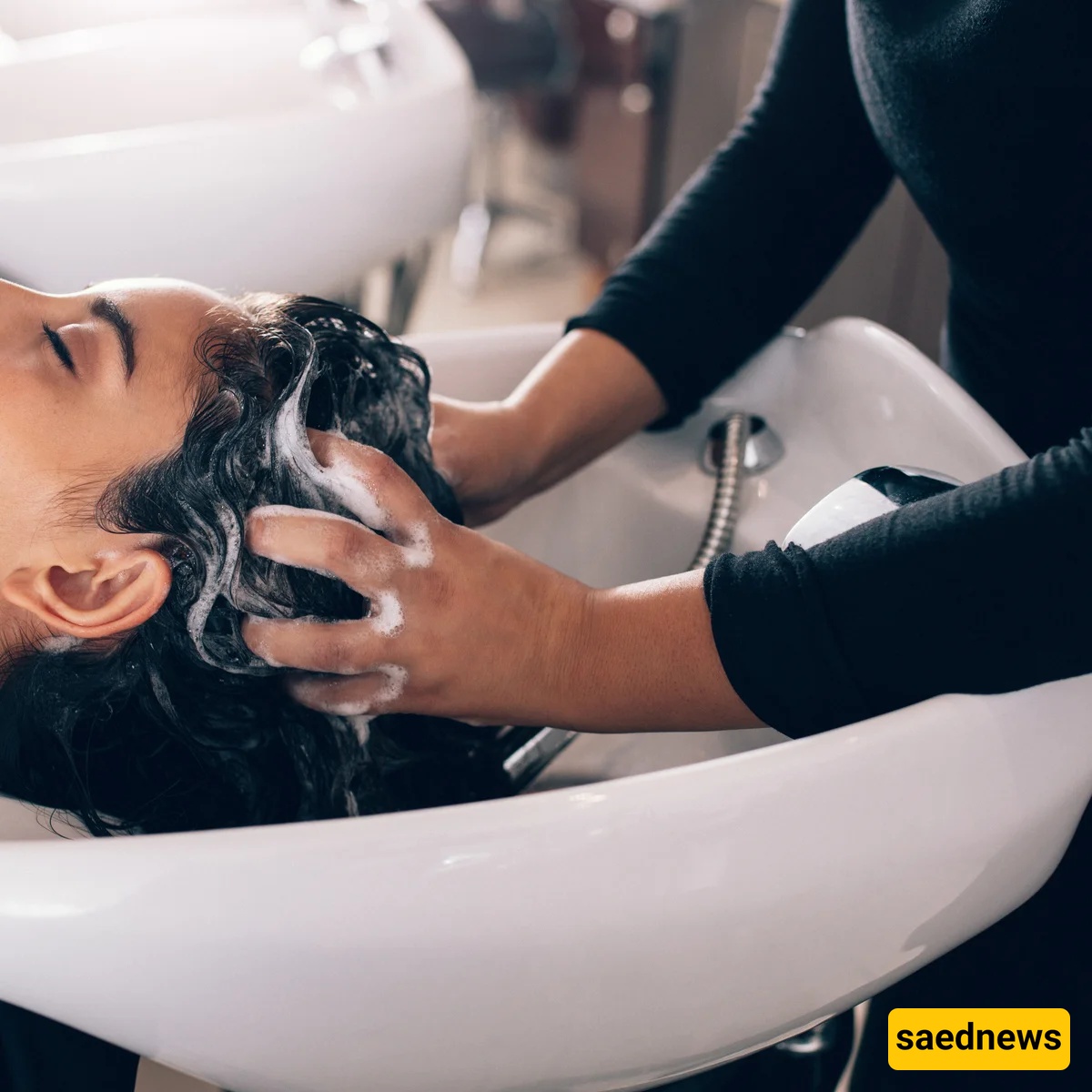
When washing, massage the shampoo gently into the scalp rather than scratching it with the nails. Conditioner can be applied mainly to the lengths and ends, particularly when the hair feels dry or tangled.
Frequent exposure to high heat can make hair more fragile, especially when it is already dry or prone to breakage. Letting hair dry naturally when practical and using lower heat settings can reduce unnecessary stress on the hair shaft.
Tight hairstyles can also place repeated tension on the roots. Comfortable styles are preferable to hairstyles that pull strongly on the scalp.
Hair health is closely linked to overall nutritional status. During pregnancy, nutritional needs increase, so a varied diet is more useful than relying on hair-focused supplements.
Helpful everyday choices can include:
Eggs and other protein-rich foods
Lentils and beans
Leafy green vegetables
Yogurt and other calcium-containing foods
Nuts and seeds
A variety of fruits and vegetables
Pregnancy supplements should be taken according to advice from a healthcare professional rather than added independently, since excessive amounts of some nutrients can be harmful.
A sensitive scalp may react differently to products during pregnancy. If a shampoo, conditioner, or styling product causes burning, itching, redness, or discomfort, stop using it and consider switching to a gentler option.
For hair dyes and other chemical treatments, pregnancy-specific safety questions can depend on the product, ingredients, timing, and individual circumstances. Anyone who is concerned about a particular treatment should discuss it with a healthcare professional before use.
Small daily habits can make a difference in preventing unnecessary breakage. Avoid vigorous towel rubbing and instead gently squeeze excess water from the hair. Use a wide-toothed comb when detangling wet hair, starting at the ends and gradually working upward.
Hair changes during pregnancy are often temporary, and individual experiences vary. If there is sudden or extensive hair loss, significant scalp inflammation, or another unusual change, medical advice can help determine whether an underlying nutritional, hormonal, or dermatological issue needs attention.