SAEDNEWS: Is your hair dry, brittle, and full of split ends? In this article, we introduce some of the best commercial and natural hair masks for repairing damaged hair and explain how to use them correctly for the best results.
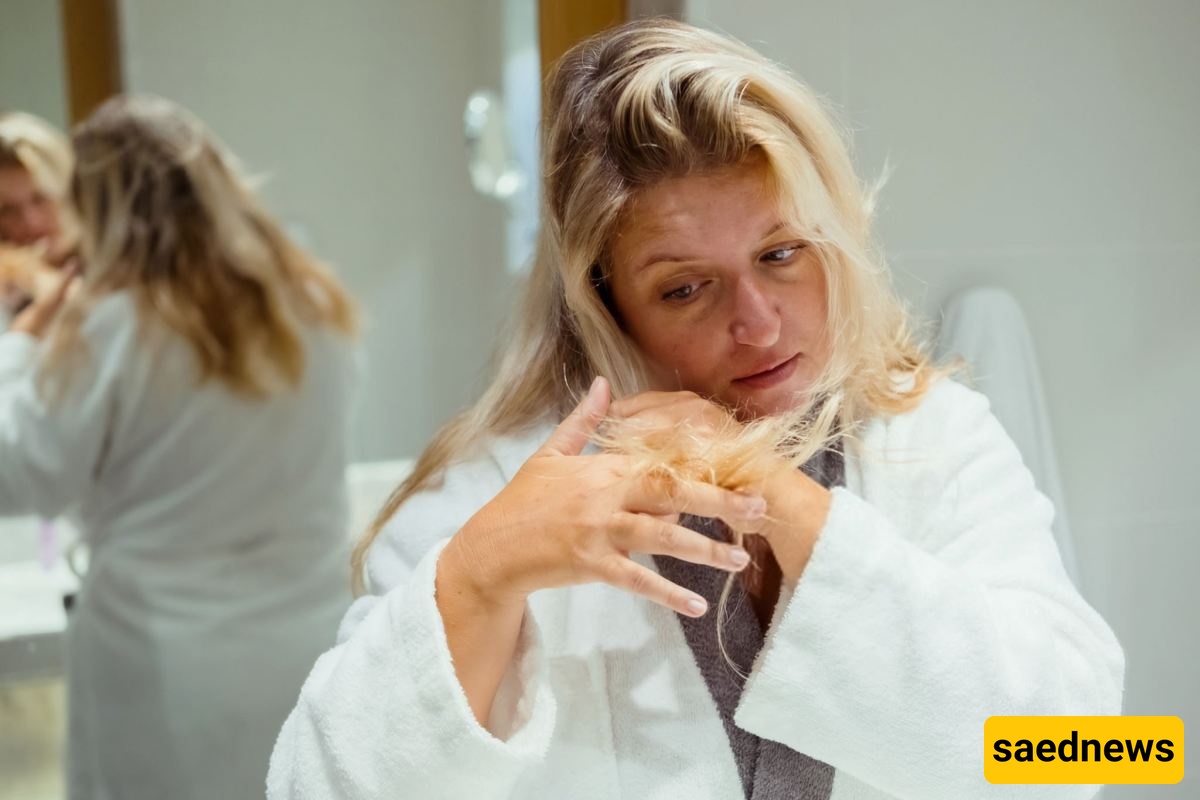
According to Saednews, Does your hair feel dry, rough, and brittle, almost like straw? Are your ends filled with split ends, and do you notice more hair breaking every time you brush it? If so, you are not alone. Dryness and split ends are among the most common hair concerns and can affect both the appearance of your hair and your confidence.
Fortunately, choosing and using the right hair mask for dry, split-end-prone hair can help restore the hair shaft, replenish lost moisture, and bring back its natural shine.
In this comprehensive guide, we’ll explore the causes of dry hair, different commercial and natural hair-mask options, and the right ways to care for damaged hair so you can work toward healthier, fuller-looking locks.
To address a hair problem effectively, it is important to understand what causes it in the first place. Hair can become dry when the hair follicle does not produce enough natural oils or when the hair shaft loses moisture too quickly for various reasons. Understanding these causes can also help prevent the problem from returning.
The most common causes of dryness and split ends include:
Environmental factors: Direct sunlight, strong winds, low humidity during colder seasons, and swimming in chlorinated water can damage the hair cuticle and cause moisture loss.
Excessive heat: Frequent use of hair dryers, flat irons, curling irons, and other heated styling tools is a major cause of dryness and breakage. High temperatures can weaken keratin proteins and leave the hair fiber fragile.
Harsh chemical treatments: Hair coloring, bleaching, highlighting, and chemical straightening can damage the hair’s natural protective layer, leaving the surface rough and vulnerable. Over time, this can contribute to split ends.
Improper washing: Strong shampoos, very hot water, and overly frequent washing can strip away the natural oils that protect the hair and leave it excessively dry.
An unbalanced diet: Insufficient intake of nutrients such as vitamins A and E, B vitamins and biotin, as well as iron, zinc, and omega-3 fatty acids, may contribute to weaker hair.
Medical conditions: Conditions such as hypothyroidism, anemia, and hormonal imbalances can also affect overall hair health.
When hair loses moisture, the cuticle—the protective outer layer—can become raised and uneven. This makes it easier for the hair to lose even more moisture and allows damaging factors to penetrate the hair shaft.
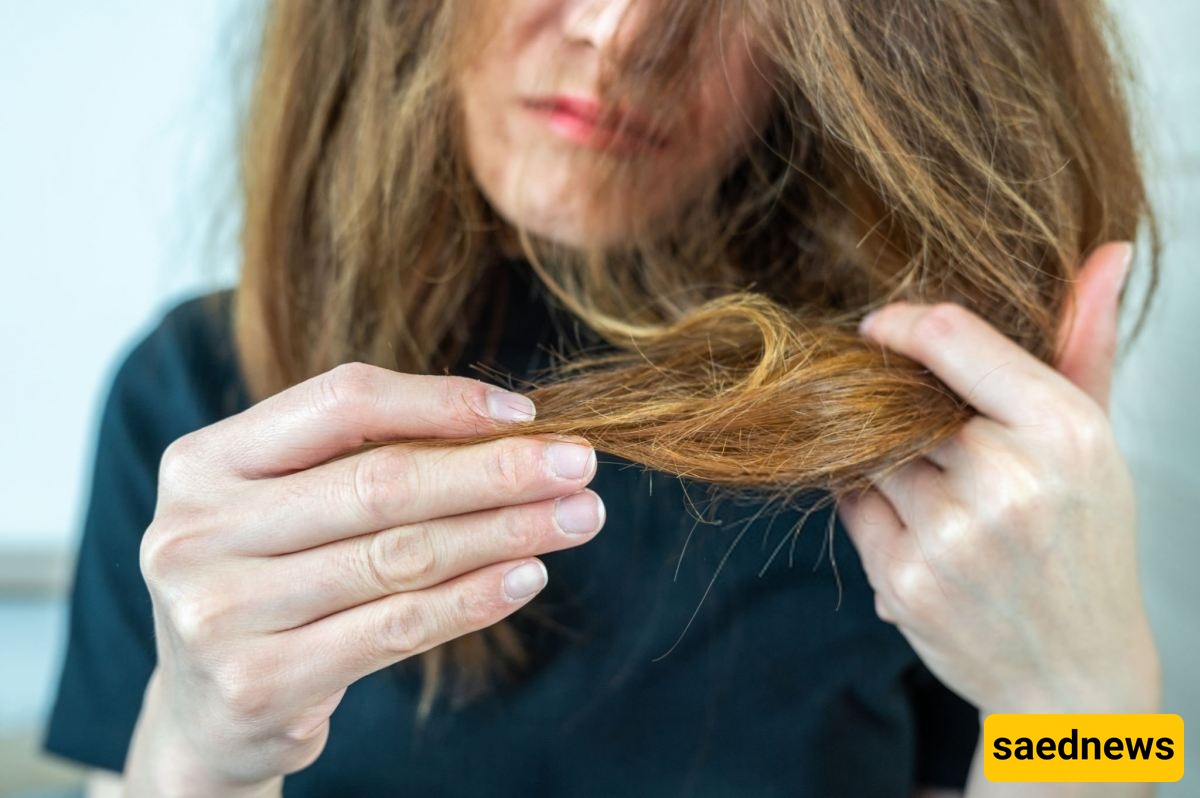
Eventually, weakened ends can break because of friction or mechanical stress, resulting in split ends, where the end of a hair strand divides into two or more sections.
The best hair mask for dry, split-end-prone hair is not simply a product labeled “nourishing.” Its ingredients and formulation should be suited to moisturizing, conditioning, and strengthening damaged hair.
Three characteristics are especially useful:
Look for ingredients such as hyaluronic acid, glycerin, panthenol, and aloe vera. These ingredients can help attract and retain moisture, leaving dry hair softer and more manageable.
Damaged hair can benefit from conditioning ingredients and, depending on the hair's needs, proteins such as hydrolyzed keratin, silk protein, or wheat protein. These can temporarily fill in damaged areas and improve the feel and strength of the hair fiber.
Nourishing plant oils such as argan, coconut, jojoba, and avocado oil can help coat the hair, reduce moisture loss, improve softness, and smooth the cuticle for a shinier appearance.
A mildly acidic formula may also help keep the cuticle surface smoother. However, the overall formulation matters more than focusing on a specific pH number alone.
Today, there are countless hair-care products available. Broadly, hair masks can be divided into commercial formulas and homemade treatments. Depending on your hair type and preferences, you may choose one or combine different approaches.
Well-established hair-care brands offer a wide range of masks designed for dry and damaged hair. Common categories include:
Keratin or protein masks: These can be useful for heavily damaged or chemically treated hair and may help improve the appearance and feel of weakened strands.
Argan oil masks: Rich in conditioning oils, these masks can help improve softness, flexibility, and shine and are particularly suitable for dry or frizzy hair.
Hydrating and repairing masks: Formulas combining moisturizing ingredients with proteins can help replenish moisture while providing conditioning and strengthening benefits.
When choosing a product, focus on the overall formula and how it works with your specific hair type rather than automatically avoiding ingredients such as silicones or sulfates. Some ingredients that are considered undesirable by some consumers can still have useful conditioning or cleansing properties when appropriately formulated.
If you prefer an inexpensive, homemade approach, several common kitchen ingredients can be used as conditioning treatments.
Mash one ripe banana until completely smooth, then mix it with two tablespoons of honey and one tablespoon of olive oil. Banana provides various nutrients, while honey acts as a humectant and can help the hair feel softer.
Apply the mixture for around 30 minutes and rinse thoroughly.
Mash half a ripe avocado and combine it with two tablespoons of warmed coconut oil and one tablespoon of Greek yogurt. Avocado contains fatty acids and various vitamins, while the oils provide conditioning benefits.
This treatment can be particularly useful for hair that feels very dry or frizzy.
Whisk one egg white with one tablespoon of olive oil and a few drops of lemon juice. Apply the mixture to the hair for no more than 15 minutes, then rinse thoroughly with cool water.
Because egg-based treatments can be difficult to rinse and may leave an odor, use them carefully and avoid applying them to an irritated scalp.
Mix two tablespoons of yogurt with one tablespoon of honey and a few drops of jojoba oil. Yogurt contains lactic acid and can provide a conditioning effect, while honey and jojoba oil can help improve softness and manageability.
Even a high-quality hair mask may not deliver the desired results if it is used incorrectly. Follow these steps for better results:
Clean your hair with a gentle shampoo appropriate for your hair type. Use comfortably warm water rather than very hot water.
Gently squeeze out excess water with a soft towel. Hair should be damp rather than soaking wet, as excessive water can dilute the product.
If your ends are particularly dry or damaged, pay extra attention to them when applying the mask.
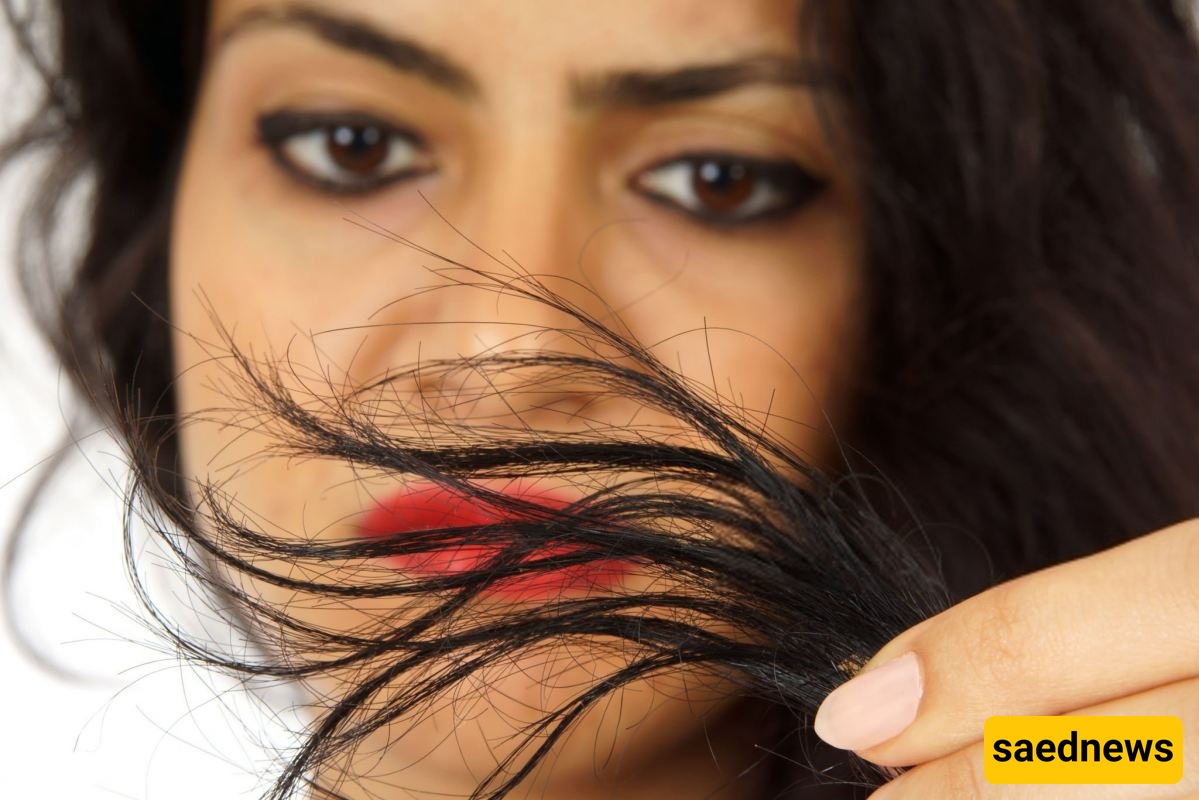
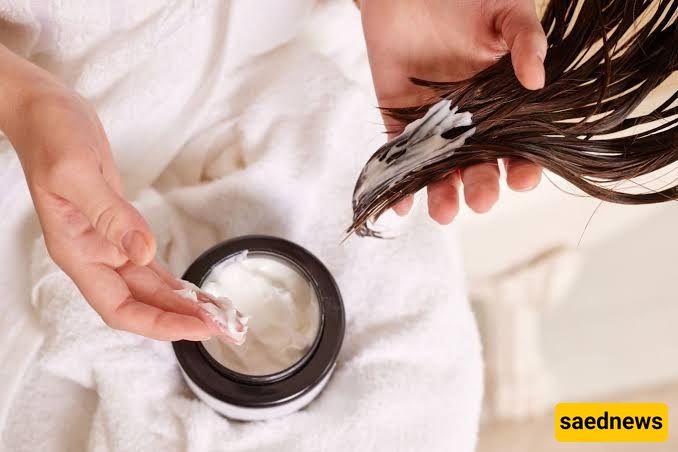
Place an appropriate amount of product in your palm and distribute it evenly through the hair. Concentrate mainly on the mid-lengths and ends rather than the roots, particularly if your scalp becomes oily easily.
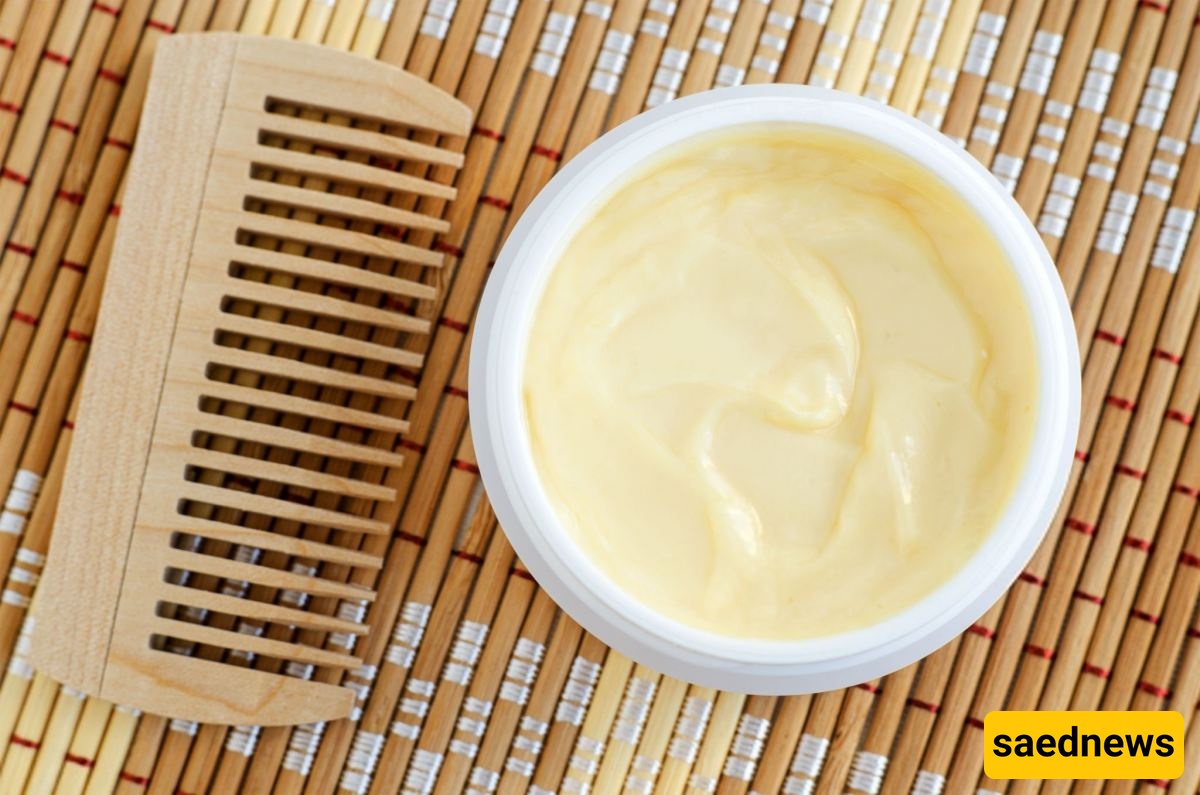
A wide-tooth comb can help distribute the mask evenly, but be gentle to avoid unnecessary breakage.
Follow the manufacturer's recommended processing time, which is often around 5–30 minutes depending on the formula.
For some homemade treatments, you can use a shower cap while the mask sits. There is generally no need to use excessive heat unless the product specifically recommends it.
Rinse the mask thoroughly with lukewarm or cool water. There is no strong need to use extremely cold water; the important thing is to remove the product completely without exposing the hair to unnecessarily hot water.
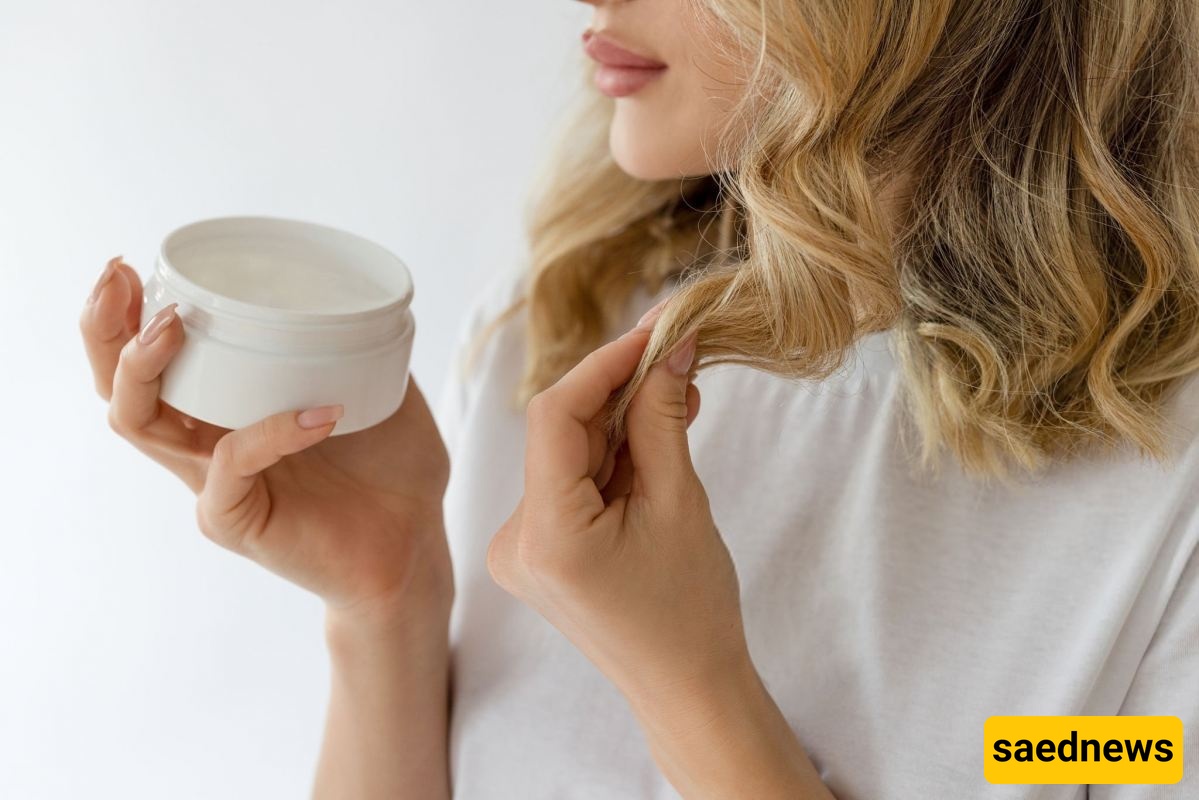
Using a hair mask every day is generally unnecessary and may leave some hair types feeling heavy or coated. A practical routine can include:
Once or twice a week: Use a deep-conditioning or repairing hair mask.
After washing: Apply a lightweight conditioner suited to your hair type.
Regularly: Trim visibly split ends to prevent them from traveling farther up the hair shaft. The ideal frequency depends on your hair and styling routine.
At night: Consider using a satin or silk pillowcase to reduce friction.
Before heat styling: Always use an appropriate heat-protectant product and minimize exposure to high temperatures.
Dry, split-end-prone hair is a common concern, but it can often be managed with consistent care and the right products. A good hair mask can help improve moisture, softness, manageability, and shine, especially when combined with a gentle hair-care routine.
Start by identifying what is causing the dryness, then choose products with moisturizing, conditioning, and protective ingredients that suit your hair's needs. Remember that prevention is often easier than repairing extensive damage.
Protect your hair from excessive heat and harsh environmental conditions, maintain a balanced diet, and handle your strands gently. With consistent care, you can achieve softer, smoother, shinier, and healthier-looking hair while keeping split ends under control.