SAEDNEWS: Poorly designed chairs can increase muscle strain and discomfort, making prolonged sitting feel more tiring.
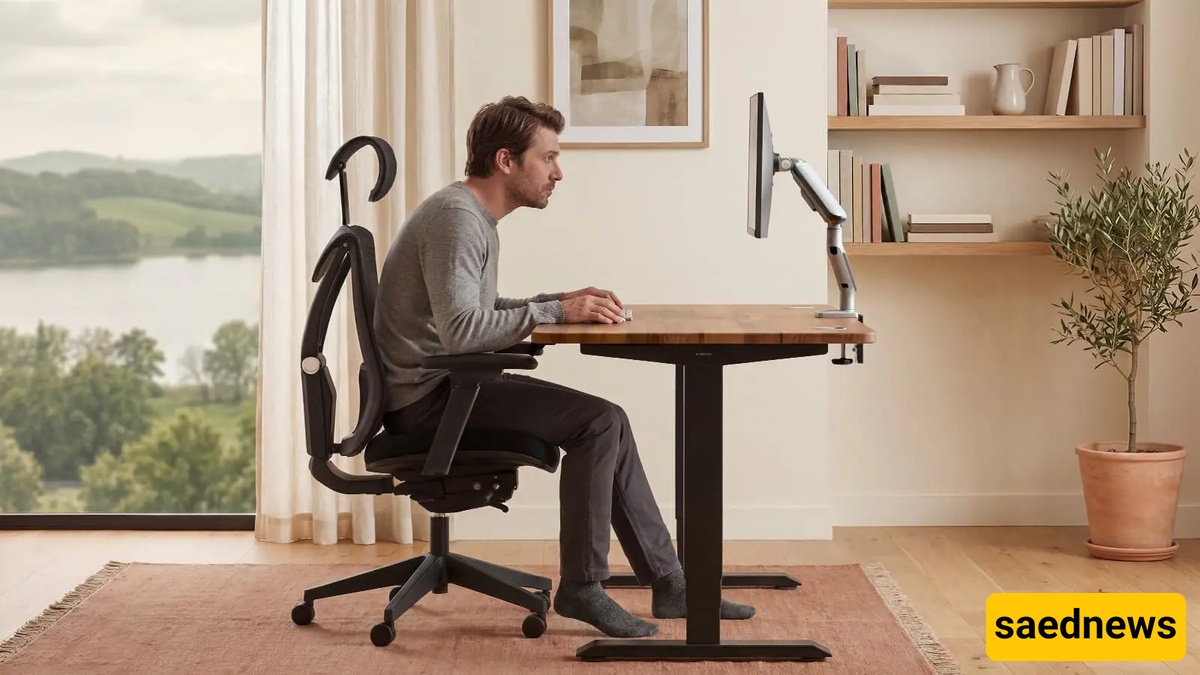
According to SAEDNEWS, the design of a chair can strongly affect how comfortable and tiring it feels to sit for long periods. A chair that does not adequately support the body may require the muscles of the back, neck, shoulders, or legs to work continuously to maintain posture. Over time, this sustained effort can contribute to discomfort and fatigue.
A chair does not need to be extremely soft to be comfortable. What matters more is whether it provides appropriate support for the body. A seat that is too deep, too high, or poorly shaped can make it difficult to keep the feet supported and the back in a comfortable position.
Several features can influence sitting comfort:
Seat height: If the feet cannot rest comfortably on the floor, the legs may become strained.
Seat depth: A seat that is too deep can make it difficult to use the backrest effectively.
Back support: Insufficient support may increase the effort needed to maintain a comfortable posture.
Armrests: Properly positioned armrests can help reduce unnecessary tension in the shoulders.
Seat firmness: Extremely soft seating may feel comfortable initially but can provide less stable support.
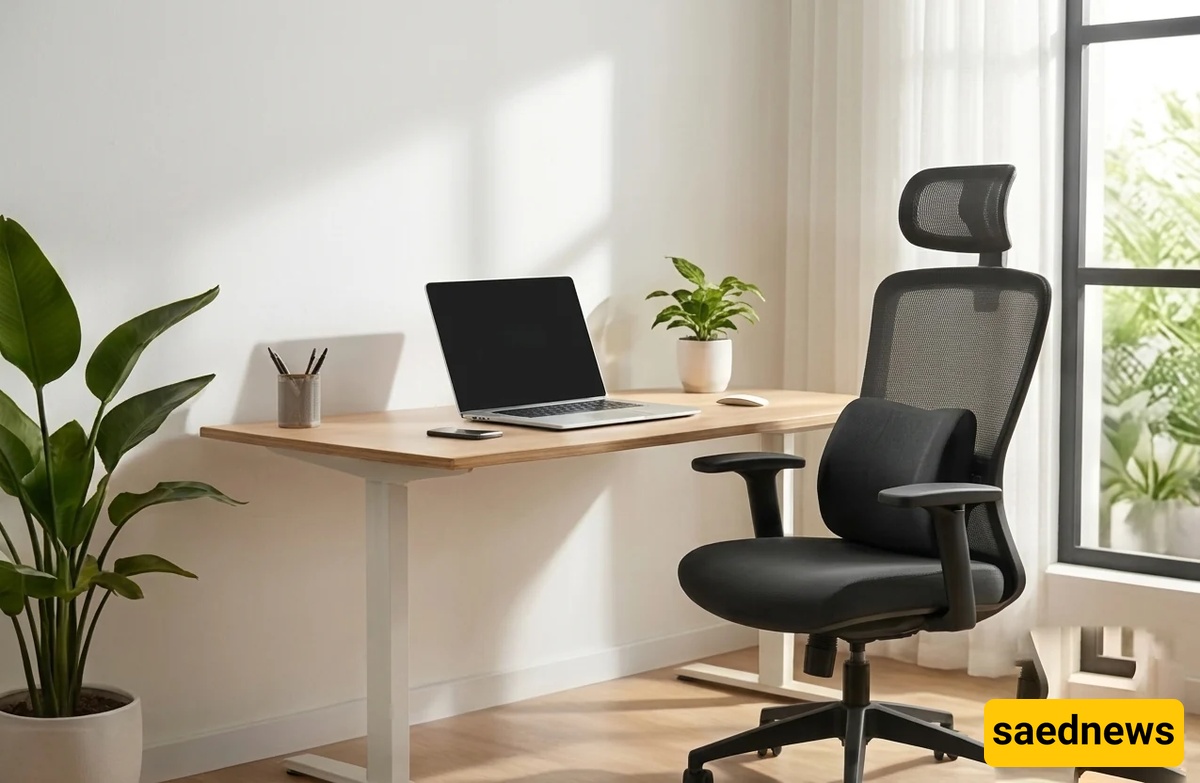
When a chair does not fit the user's body, maintaining a stable sitting position can become more difficult. People may lean forward, shift repeatedly, cross their legs, or change position to relieve discomfort. These movements are not necessarily harmful, but persistent discomfort can make a long sitting session feel more exhausting.
The problem can also be influenced by the activity itself. Reading, working at a computer, writing, or looking down at a device may require the head and upper body to remain in relatively fixed positions. A chair that does not support the body well can make these tasks less comfortable over time.
Instead of focusing only on how soft or expensive a chair is, consider how well it fits your body. Ideally, the feet should be supported, the seat should allow a comfortable position without excessive pressure behind the knees, and the backrest should provide useful support.
Changing position regularly can also help. Even a well-designed chair cannot make prolonged sitting completely effortless. Short movement breaks, standing periodically, and adjusting the sitting position can reduce the discomfort associated with remaining in one posture for too long.
For this reason, a chair that feels tiring is not necessarily defective. Its dimensions, support, and adjustment options may simply be poorly matched to the person using it—or to the task being performed.