SAEDNEWS: Darkening of the underarms is a common skin concern, and many people wonder whether deodorant is responsible for this discoloration. In this article, we explore the scientific causes of underarm darkening and discuss practical ways to prevent it.
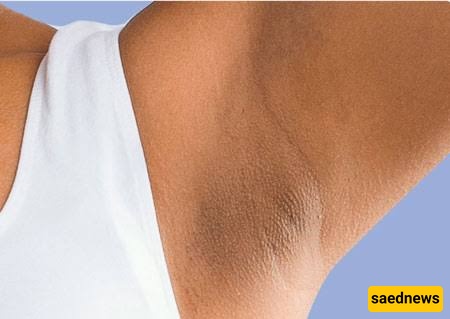
According to Saednews, Dark underarms are a common skin concern that affects many people, particularly women. Medically, some forms of darkening may be associated with a condition called acanthosis nigricans, although underarm discoloration can have many different causes. Hormonal changes, excess weight, irritation, shaving, and personal-care products can all contribute to changes in skin color.
One of the most common questions is: Can deodorant make your underarms darker?
The short answer is yes, in some cases. However, deodorant itself is not necessarily the direct cause. Certain ingredients, skin sensitivity, friction, and repeated irritation may contribute to inflammation and subsequent pigmentation.
The skin under the arms is particularly sensitive and prone to discoloration. This area contains deep skin folds, numerous sweat glands, and hair follicles. Underarm darkening can occur for several reasons.
Repeated irritation can stimulate melanocytes, the cells responsible for producing melanin. When these cells become overactive, the skin may gradually become darker.
Friction, sweating, shaving, and exposure to certain chemicals can cause mild but repeated inflammation. Over time, this irritation may lead to increased pigmentation.
Certain conditions, including acanthosis nigricans, can cause the skin to become thicker, darker, and sometimes velvety in texture.
Can Deodorants and Antiperspirants Darken the Underarms?
Deodorants and antiperspirants generally fall into two main categories.
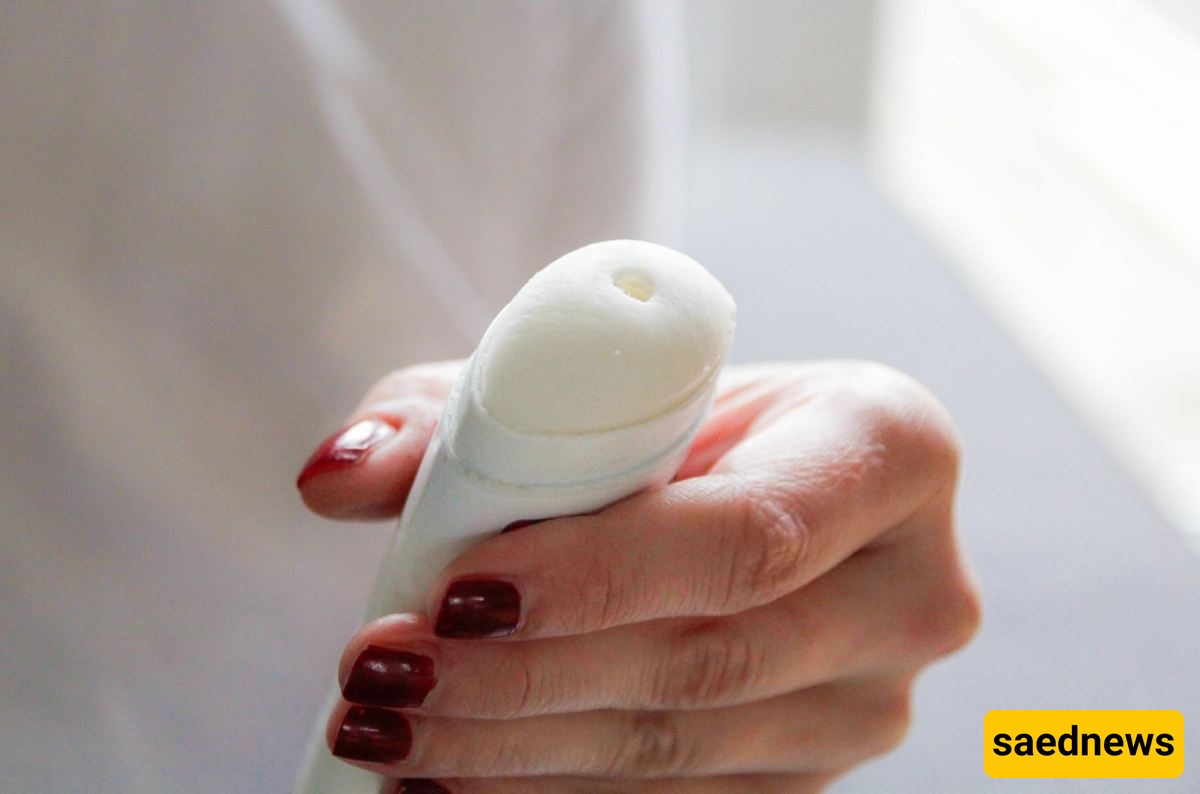
Antiperspirants: These usually contain aluminum-based compounds that temporarily reduce sweating by affecting the sweat ducts.
Deodorants: These primarily help control body odor by reducing odor-causing bacteria and may or may not contain aluminum, depending on the product.
So, can these products cause underarm darkening?
They can in some people, particularly when they cause irritation or an allergic reaction. Several factors may be involved.
Some commercial underarm products contain ingredients that may irritate sensitive skin.
Aluminum-based ingredients are commonly used in antiperspirants to reduce sweating. In sensitive individuals, some formulations may cause irritation or inflammation.
Alcohol can have a drying effect. Frequent use may weaken the skin's protective barrier and make sensitive skin more susceptible to irritation.
Fragrances and certain preservatives can trigger sensitivity or allergic reactions in some people. This may lead to redness, itching, burning, and eventually darker pigmentation.
Daily application, particularly when a product is rubbed firmly against the skin, can create repeated friction. Over time, this irritation may contribute to thickening of the outer layer of the skin and increased pigmentation.
Some people develop an allergic or irritant reaction to ingredients in deodorants. Symptoms may include redness, itching, burning, or a rash. Once the inflammation improves, the affected area may remain darker.
This type of discoloration is known as post-inflammatory hyperpigmentation.
Other Causes of Dark Underarms
To understand whether deodorant is responsible, other possible causes should also be considered.
Shaving: Frequent shaving can cause tiny cuts, irritation, and inflammation around hair follicles, potentially contributing to discoloration.
Waxing or threading: Removing hair from the root can sometimes irritate or damage the follicles and trigger inflammation.
A buildup of dead skin cells can make the underarms appear darker. However, excessive exfoliation can also cause irritation and make pigmentation worse.
Certain medical conditions can cause or contribute to darkened skin.
Insulin resistance and type 2 diabetes: Common associations with acanthosis nigricans.
Hormonal disorders: Conditions such as polycystic ovary syndrome (PCOS) may be associated with skin darkening.
Obesity: Increased friction and sweating can increase the likelihood of irritation and pigmentation.
Some people naturally have darker pigmentation in skin folds, including the underarms, regardless of their hygiene or deodorant use.
How Can You Tell if Your Deodorant Is Causing the Darkening?
Several clues may help determine whether your product is contributing to the problem.
When did the discoloration begin? Did it appear after you started using a new deodorant or antiperspirant?
Where is the discoloration located? Is it mainly in the area where the product is applied, or does it cover the entire underarm?
Are there other symptoms? Itching, burning, redness, dryness, or a rash may indicate irritation or contact dermatitis.
Does the skin improve after stopping the product? If symptoms gradually improve after discontinuing a particular product, it may have been contributing to the irritation.
If these patterns are present, your deodorant or antiperspirant may be playing a role in the discoloration.
How to Prevent and Reduce Dark Underarms
Consider choosing products that are:
Fragrance-free
Alcohol-free
Designed for sensitive skin
Less likely to cause irritation
If you have sensitive skin, pay attention to how your skin reacts to aluminum-containing antiperspirants rather than automatically assuming that aluminum is the cause of discoloration.
Read the ingredient label and consider products containing soothing ingredients such as aloe vera, chamomile, or vitamin E if your skin tolerates them.
To reduce irritation:
Use a clean, sharp razor.
Soften the skin with warm water before shaving.
Apply a moisturizing shaving gel or cream.
Shave in the direction of hair growth rather than against it.
Apply a fragrance-free moisturizer afterward.
If shaving repeatedly causes irritation, discuss longer-term hair-removal options with a qualified professional.
If dead skin buildup is contributing to the appearance of dark underarms, gentle exfoliation may help.
Some people use mild chemical exfoliants containing lactic acid or salicylic acid. However, exfoliation should be limited because over-exfoliating can damage the skin barrier and worsen inflammation and pigmentation.
Regular moisturization can help maintain the skin barrier and reduce irritation. Choose a moisturizer formulated for sensitive skin and avoid products that consistently cause burning or itching.
Some cosmetic ingredients commonly used in products designed to improve uneven pigmentation include:
Kojic acid
Arbutin
Vitamin C
Niacinamide (vitamin B3)
Products containing these ingredients should be introduced gradually, especially if the skin is sensitive.
Medical Treatments for Persistent Underarm Darkening
If the discoloration is severe, persistent, rapidly worsening, or does not improve after avoiding potential irritants, a dermatologist can help determine the underlying cause.
Depending on the diagnosis, treatment may include:
A dermatologist may recommend treatments containing ingredients such as retinoids or hydroquinone when appropriate.
Certain laser treatments may help reduce pigmentation or improve skin texture in selected cases.
Professional chemical peels may be considered for some forms of hyperpigmentation and should be performed under appropriate medical guidance.
If the discoloration is related to insulin resistance, diabetes, PCOS, or another medical condition, addressing the underlying problem is an important part of treatment.
The Bottom Line
Deodorant can contribute to dark underarms in some people, but it is not the only possible cause. Irritation, allergic reactions, friction, shaving, genetics, hormonal changes, and conditions such as acanthosis nigricans can all play a role.
If you notice that darkening started after switching to a particular deodorant—especially when accompanied by itching, burning, redness, or a rash—consider discontinuing the suspected product and switching to a gentle, fragrance-free alternative. Persistent or unexplained discoloration should be evaluated by a dermatologist, particularly when the skin becomes noticeably thicker or velvety.