SAEDNEWS: This article provides a comprehensive overview of peel-off masks, including how they work, their different types, benefits and drawbacks, as well as the best ways to use them for healthier, more radiant skin.
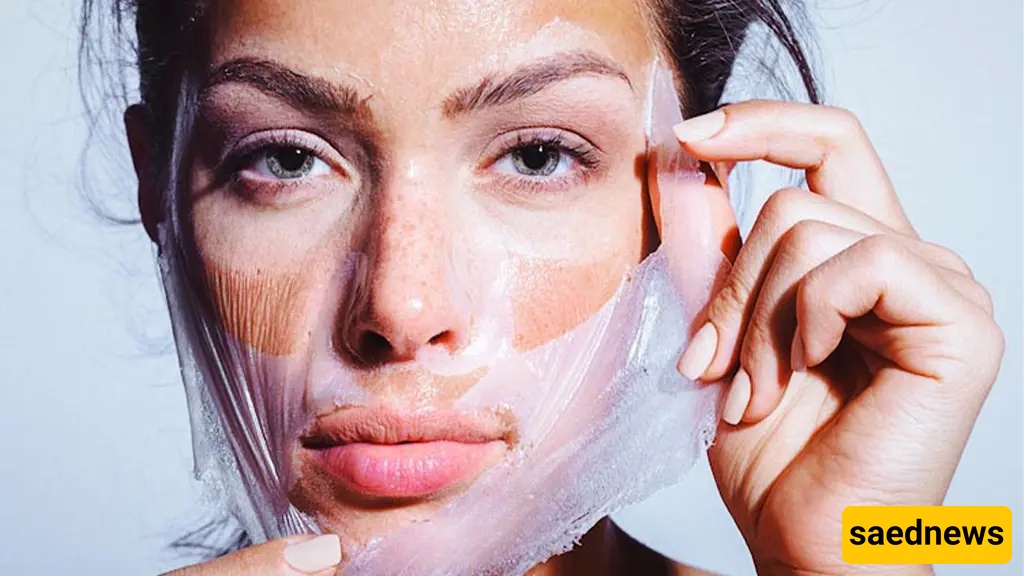
According to Saednews, In today’s thriving beauty and skincare market, the wide variety of facial masks can make choosing the right option a real challenge. If you have been looking for a way to deal with blackheads, enlarged pores, and dull-looking skin, you may have come across the term “Pilaf Mask.”
However, many people accidentally type or pronounce this term incorrectly when searching online. “Pilaf Mask” is actually the colloquial Persian pronunciation of the English term “Peel-off Mask,” referring to a mask that dries and can then be removed from the skin as a single layer. Because of its similar pronunciation, it is commonly referred to as “Pilaf” in everyday Persian speech.
In this comprehensive guide, we will explain what a peel-off mask is, how it works, its potential benefits and drawbacks, and how to use it properly for healthier and more radiant-looking skin.
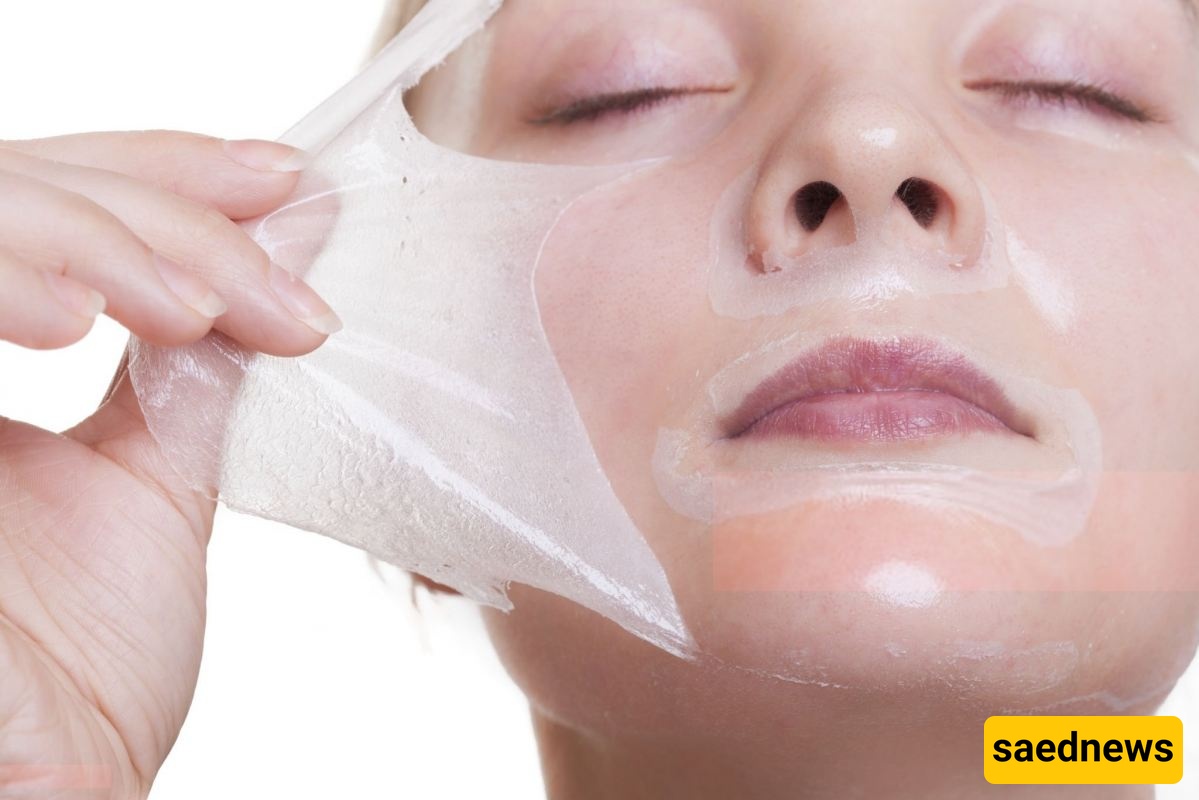
A peel-off mask is a popular type of facial mask designed primarily for surface cleansing and exfoliation. Its formulation may contain polymers, plant-based resins, fruit extracts, gelatin, and, in some products, active ingredients such as activated charcoal.
The mask is usually applied to the skin in liquid or gel form. After a specified period, typically 15 to 30 minutes, the water or other solvent evaporates, causing the formula to dry into a thin, flexible film.
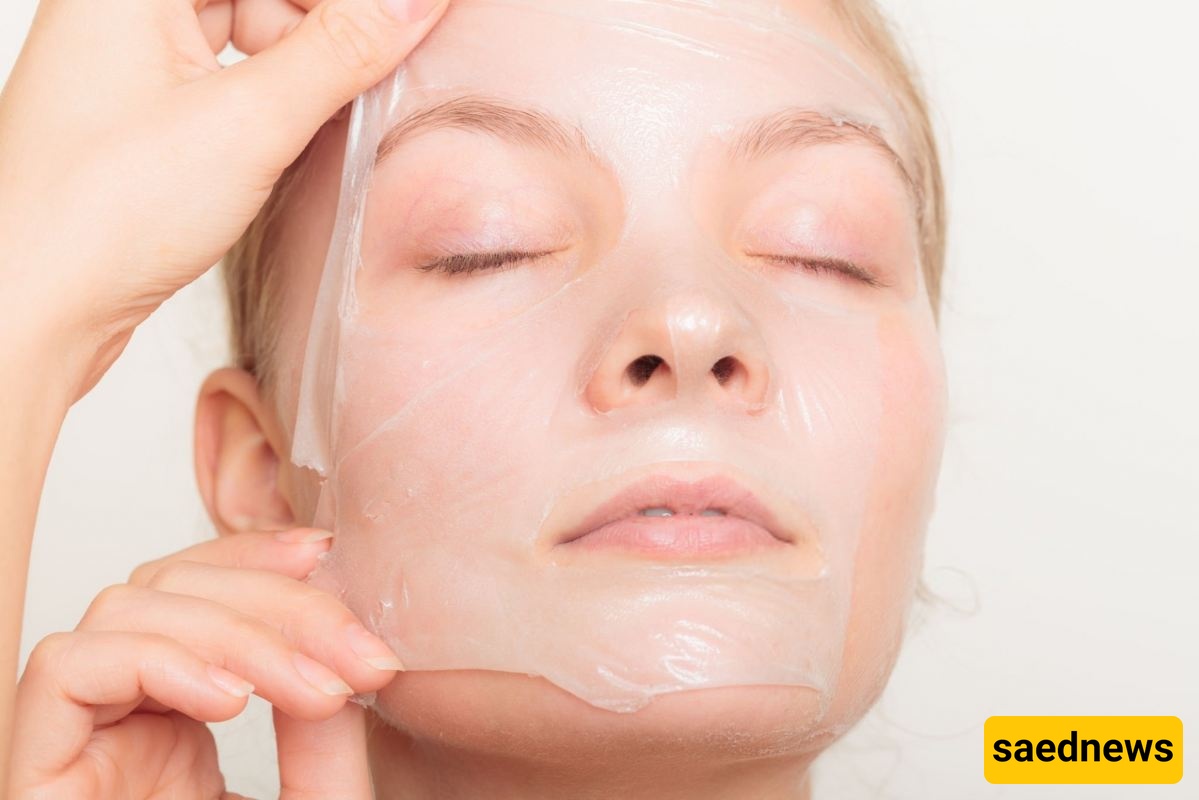
The film can then be carefully removed from the face. As it is lifted away, it may take with it excess oil, surface impurities, dead skin cells, and some debris sitting around the pores.
For this reason, peel-off masks are often chosen by people looking for a quick and noticeable cleansing effect. They are commonly viewed as an “express” skincare treatment for temporarily improving the appearance of dull skin.
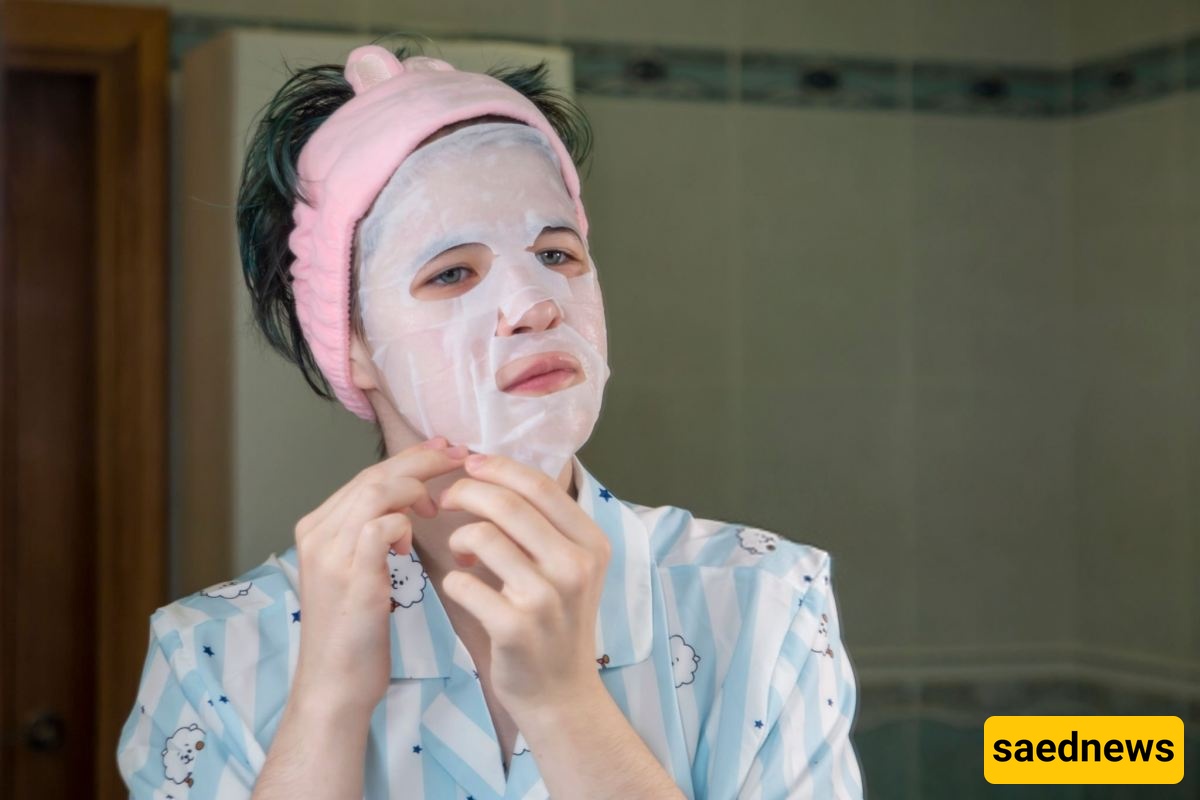
To understand why peel-off masks are popular, it helps to look at their basic mechanism. Their action can generally be described in three stages:
When the mask is spread over the skin, the polymers in the formula form a film that adheres to surface oils, impurities, and dead skin cells.
As the solvent, usually water or another liquid component, evaporates, the polymers become firmer and contract. This creates the characteristic flexible film that adheres to the surface of the skin.
Once the mask has completely dried, it can be gently lifted from the skin. This creates a form of mechanical cleansing, removing some of the material attached to the film.
The immediate result may be smoother and cleaner-looking skin. However, claims that peel-off masks literally “pull impurities out of deep pores” should be treated cautiously; they primarily work on the skin’s surface rather than deeply cleaning the inside of pores.
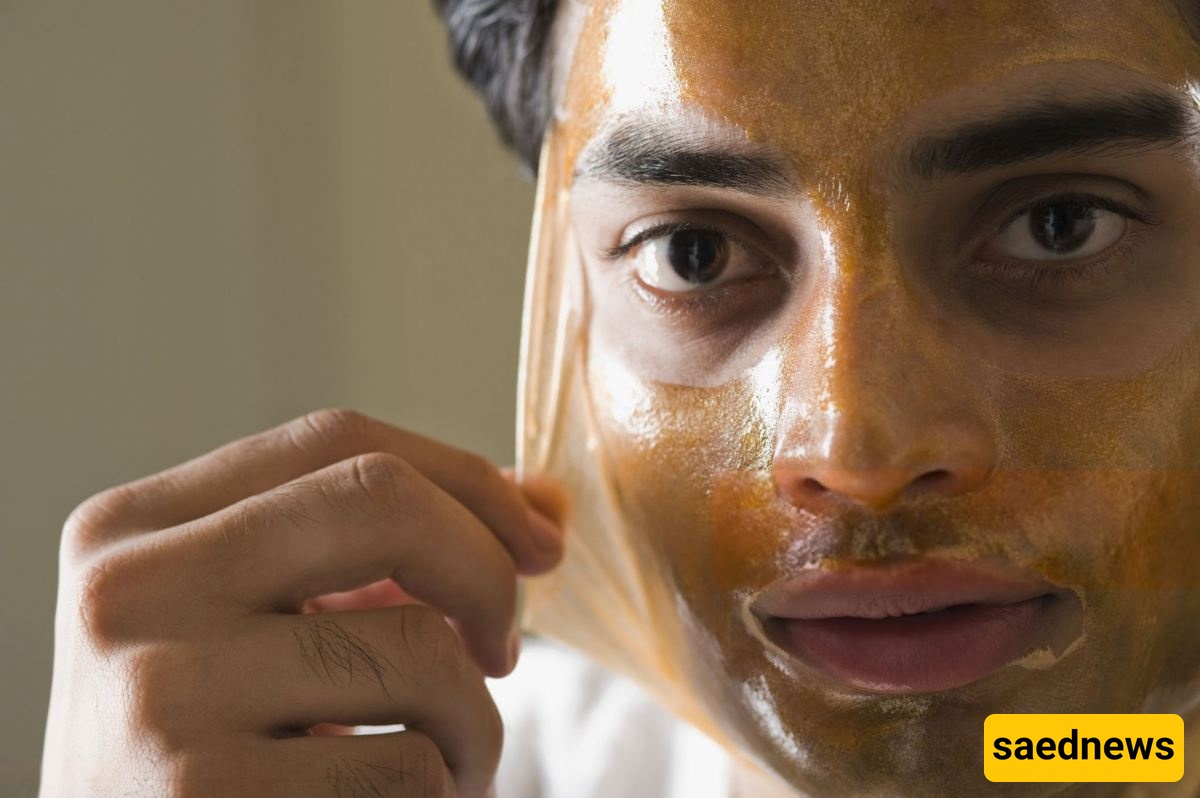
Although most peel-off masks work through the formation and removal of a film, their ingredients and intended uses can vary considerably.
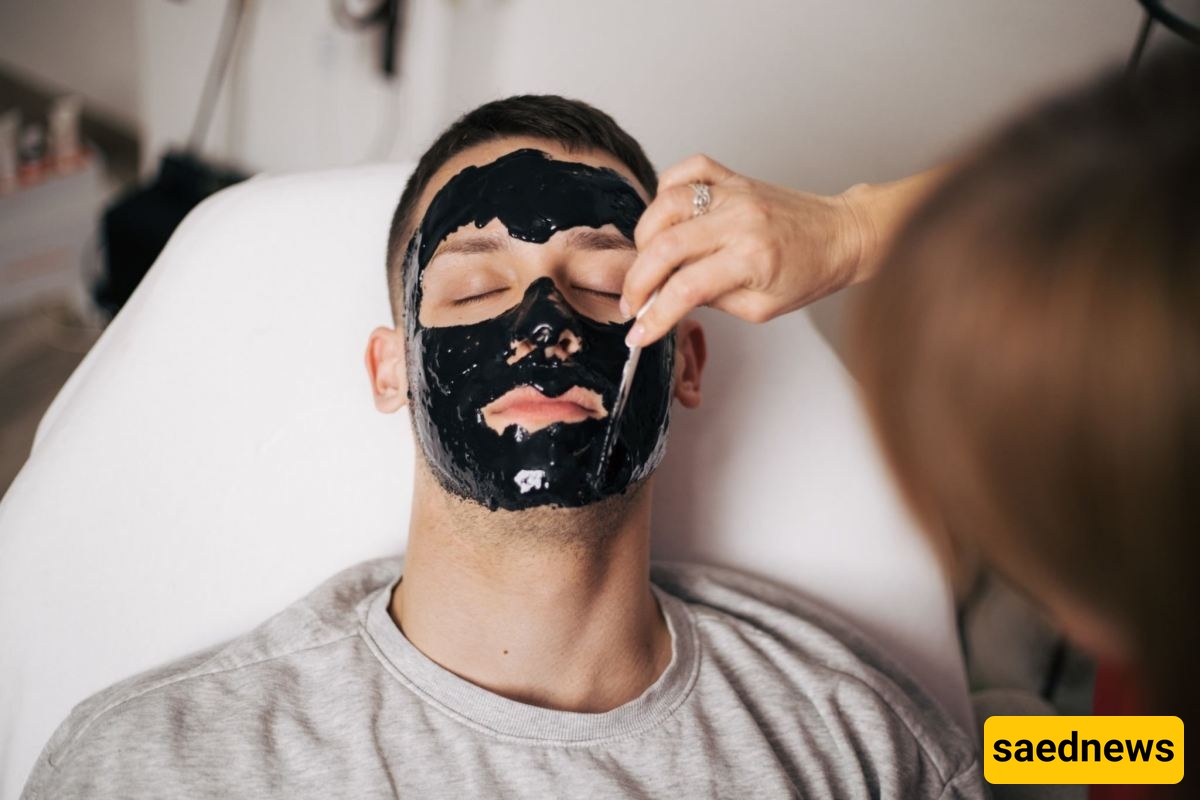
Activated charcoal is one of the most common ingredients found in peel-off masks. Its porous structure gives it strong adsorption properties, allowing it to bind to certain oils and impurities.
These products are often marketed toward people with oily or combination skin and those concerned about blackheads.
These formulas may contain extracts such as strawberry, cucumber, aloe vera, or citrus fruits. Depending on their formulation, they may provide antioxidant or soothing benefits in addition to cleansing.
They are sometimes marketed for dry or sensitive skin, although people with sensitive skin should always check the ingredient list carefully and perform a patch test when appropriate.
Some specialized formulas rely heavily on film-forming ingredients such as polyvinyl alcohol (PVA) and other polymers. These ingredients determine how the mask dries, stretches, adheres to the skin, and can be removed.
The exact formulation varies between products, so the ingredient list is more useful than the product category alone when determining whether a particular mask is suitable for your skin.
When used appropriately, peel-off masks can provide several cosmetic benefits:
Surface cleansing and exfoliation: They can remove some surface oil, debris, and dead skin cells.
Temporarily smoother-looking pores: Removing surface buildup may make pores appear less noticeable for a short period.
Removal of some blackhead material: They can remove some superficial blackhead-related debris, although they do not permanently eliminate blackheads.
A brighter-looking complexion: Removing surface dead skin cells can temporarily make the skin look smoother and more radiant.
Convenient application: Unlike professional treatments, peel-off masks can generally be used at home without specialized equipment.
Despite their popularity, peel-off masks are not completely harmless. Their adhesive and mechanical removal process can irritate the skin, particularly when used too frequently or removed aggressively.
Pulling a dried film from the skin can remove more than just unwanted debris. Repeated or aggressive use may contribute to dryness, redness, irritation, or disruption of the skin barrier.
Rather than assuming that more frequent use produces better results, follow the instructions provided with the specific product.
Some fragrances, polymers, botanical extracts, alcohols, and other ingredients may cause irritation or allergic reactions in sensitive individuals. Stop using the product if you experience significant burning, swelling, itching, or persistent redness.
Peel-off masks should generally not be applied directly around the eyes, over the eyebrows, or onto the hairline. Removing dried product from areas containing fine facial hair can be uncomfortable and may pull on the hair.
Extra caution is also advisable around the lips and other areas where the skin is particularly delicate.
Following the right application technique can reduce unnecessary irritation.
Remove makeup, sunscreen, excess oil, and surface dirt with a gentle cleanser. Unless the product instructions state otherwise, apply the mask to clean, dry skin.
Keep the product away from the eye area, eyebrows, hairline, and other sensitive regions.
Use clean fingers, a spatula, or an appropriate applicator to spread the mask evenly. Avoid making the layer excessively thin, as it may become difficult to remove in one piece.
At the same time, avoid applying an unnecessarily thick layer, since this can increase drying time.
Most peel-off masks require approximately 15–30 minutes, although the exact time depends on the formula.
Try to minimize facial movement while the mask is drying so that it does not crack or separate prematurely.
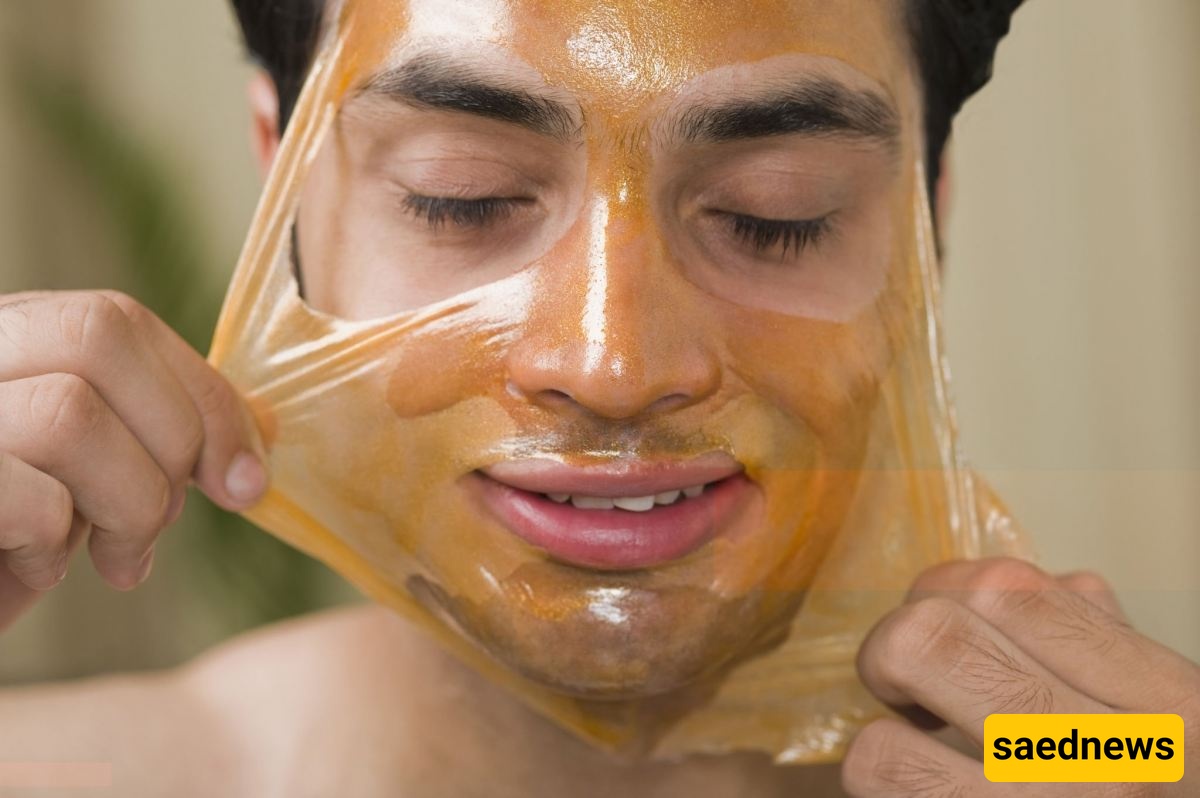
Once the mask is completely dry, begin at an edge, such as the lower cheek or chin, and slowly peel it away.
Do not yank or aggressively pull the mask. If a section is difficult to remove, follow the product instructions; gently moistening the area with lukewarm water may help loosen remaining product.
After removing the mask, rinse away any remaining residue if necessary and apply a gentle, alcohol-free hydrating product followed by a suitable moisturizer.
Avoid immediately combining the peel-off mask with several other potentially irritating exfoliating treatments.
There is no universal frequency that works for everyone. The appropriate schedule depends on the specific formulation and your skin type.
People with oily or combination skin may tolerate occasional use better than those with dry or sensitive skin. If your skin becomes tight, red, irritated, or flaky after using a peel-off mask, reduce the frequency or discontinue it.
For sensitive or dry skin, using a gentler cleansing or hydrating mask may be a better choice.
After cleansing, a simple hydrating and soothing skincare routine can help support the skin barrier.
A peel-off mask is a convenient form of mechanical cleansing that can temporarily leave the skin feeling smoother, cleaner, and more refreshed. It may be particularly appealing to people who want a quick cosmetic treatment for surface oil, dead skin cells, and some visible blackhead-related debris.
However, peel-off masks are not an essential part of a skincare routine, and aggressive or excessive use can irritate the skin. They should be considered an occasional treatment rather than a daily skincare step.
If you have oily or combination skin with visible blackheads, a carefully selected peel-off mask may provide a temporary cosmetic improvement. For long-term management of clogged pores, however, gentler approaches such as appropriate chemical exfoliants and consistent cleansing may be more useful.
Above all, maintaining the skin barrier and keeping the skin adequately hydrated is more important than trying to achieve extremely deep or aggressive cleansing.