SAEDNEWS: Certain visual and organizational choices can make a home feel noticeably smaller. Furniture placement, clutter, dark colors, and blocked sightlines are among the factors that can reduce the sense of space.
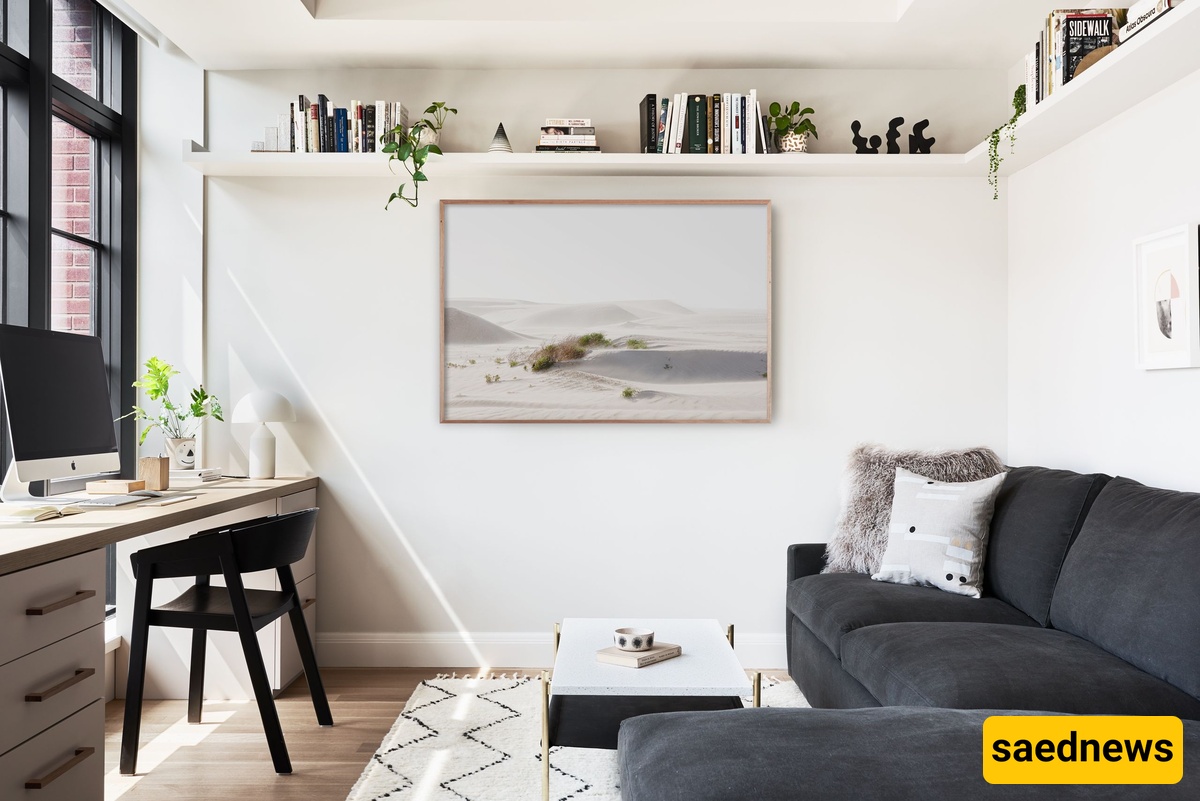
According to SAEDNEWS, a home does not need to be physically small to feel cramped. The way furniture, belongings, colors, and open areas are arranged can strongly influence how spacious a room appears. Even a well-sized room may look smaller when too many visual elements compete for attention.
Several common choices can make rooms appear more crowded:
Too much furniture: Large or unnecessary pieces take up floor space and make movement areas look narrower.
Cluttered surfaces: Objects covering tables, shelves, and countertops create visual noise and can make the room feel crowded.
Blocked sightlines: Furniture placed directly in front of windows, doorways, or natural pathways can interrupt the sense of openness.
Poorly scaled furniture: A sofa, cabinet, or bed that is too large for the room can dominate the space.
Heavy visual elements: Very dark walls, bulky curtains, or dense patterns can sometimes make a room feel more enclosed, especially when natural light is limited.
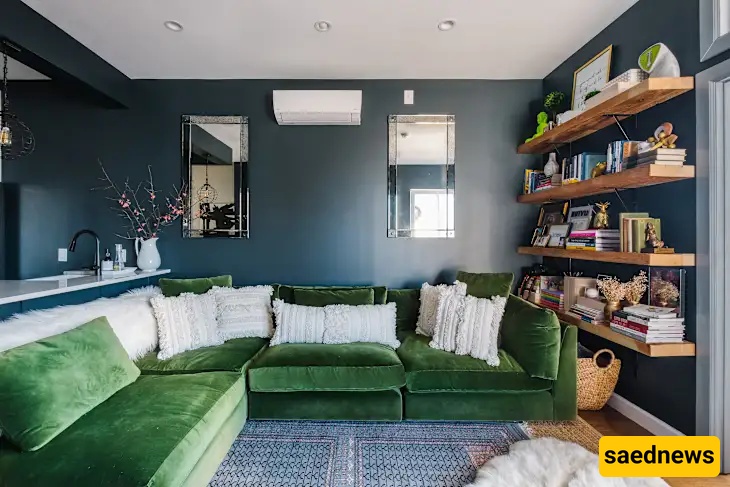
The amount of visible, unobstructed floor can affect how large a room appears. When furniture is pushed into pathways or scattered throughout the room, the available space becomes harder to perceive as one continuous area. Keeping clear walking routes and avoiding unnecessary pieces can therefore make the same room feel more spacious without changing its actual dimensions.
Mirrors and natural light can also contribute to a greater sense of openness. A strategically positioned mirror can reflect light and parts of the room, while keeping windows relatively unobstructed allows more daylight to reach the interior.
Stand at the entrance of the room and look across it. If your eyes immediately encounter piles of objects, oversized furniture, or several competing patterns, the space may feel smaller than it is. Removing a few unnecessary items, opening up a pathway, or rearranging one dominant piece of furniture can sometimes produce a noticeable difference.
The goal is not to make a home completely empty. A comfortable room can still contain furniture and personal belongings; the key is maintaining enough visual breathing room for the eye to move easily through the space.