SAEDNEWS: Time can seem to pass more quickly on holidays because familiar routines, attention, and memorable experiences influence how we perceive the passage of time.

According to SAEDNEWS, the feeling that a day off disappears unusually quickly is largely connected to how the brain perceives time rather than to time actually moving faster. When people are relaxed and absorbed in enjoyable activities, they may pay less attention to the clock. As a result, several hours can seem to pass almost unnoticed.
Our perception of time is strongly influenced by attention. During a workday, people often monitor schedules, meetings, meals, tasks, and deadlines. These frequent time-related cues can make the passing hours more noticeable.
On a holiday, that structure may disappear. A person might spend the morning having breakfast, visiting family, reading, walking, or working on a hobby without repeatedly checking the time. Because attention is focused elsewhere, the day can feel shorter.
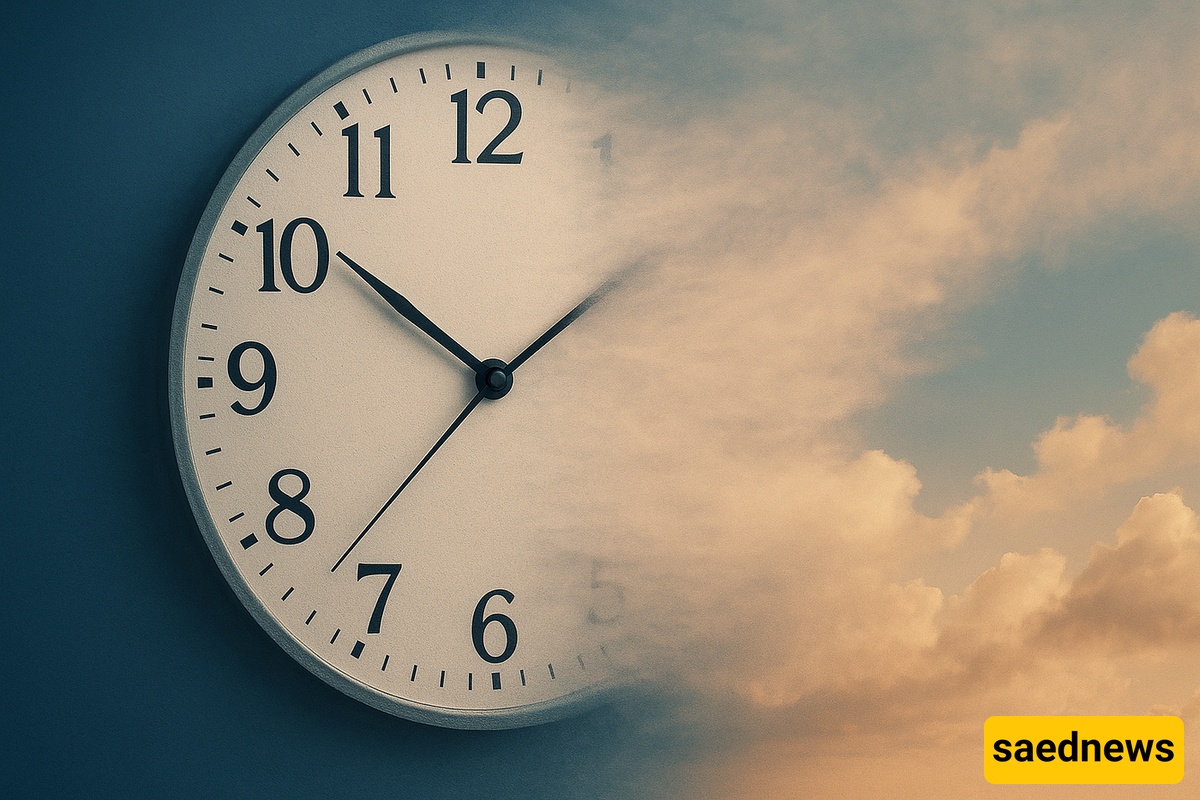
Regular routines create clear markers throughout the day. Getting ready for work, commuting, taking breaks, and finishing tasks can divide a weekday into recognizable periods. Days off often have fewer fixed boundaries.
This can make the hours feel less distinct. If several activities blend together without strong transitions, people may look at the clock later and be surprised by how much of the day has already passed.
There is another interesting difference between experiencing time and remembering it. A day filled with familiar activities may seem to pass quickly while it is happening, but a day containing many new and distinctive experiences can later seem more substantial in memory.
This is partly because memorable events provide more distinctive points for the brain to recall. In contrast, repetitive days may leave fewer separate memories, making a period seem shorter when looking back.
So the experience can work in two ways:
During enjoyable, absorbing activities: time may feel as though it is passing quickly.
When looking back on a period filled with varied experiences: it may seem richer or longer because more memorable events were stored.
Weekends and holidays often combine relaxation, enjoyable activities, and fewer obligations. These conditions reduce the number of moments when people consciously track time. The result is a familiar experience: Friday arrives, a few activities seem to happen, and suddenly it is time to prepare for the next weekday.
Nothing has changed about the actual length of the day. What changes is the way attention, routine, emotion, and memory shape the subjective experience of those hours.