SAEDNEWS: Gucci began as a leather workshop in Florence and has grown into one of the most influential names in luxury fashion worldwide. Join us to discover the story behind the iconic brand.

According to Saednews, Gucci is one of the world's most recognized and influential luxury fashion brands. Founded in Florence in 1921 by Guccio Gucci, the company began as a small shop specializing in leather goods and travel accessories.

Guccio's experience working at London's Savoy Hotel introduced him to the tastes of wealthy travelers and inspired his focus on exceptional craftsmanship, elegant design, and high-quality materials.
During World War II, leather shortages forced Gucci to innovate. The brand introduced bamboo handles, giving rise to the iconic Gucci Bamboo Bag. The famous GG monogram also became an important part of Gucci's visual identity.
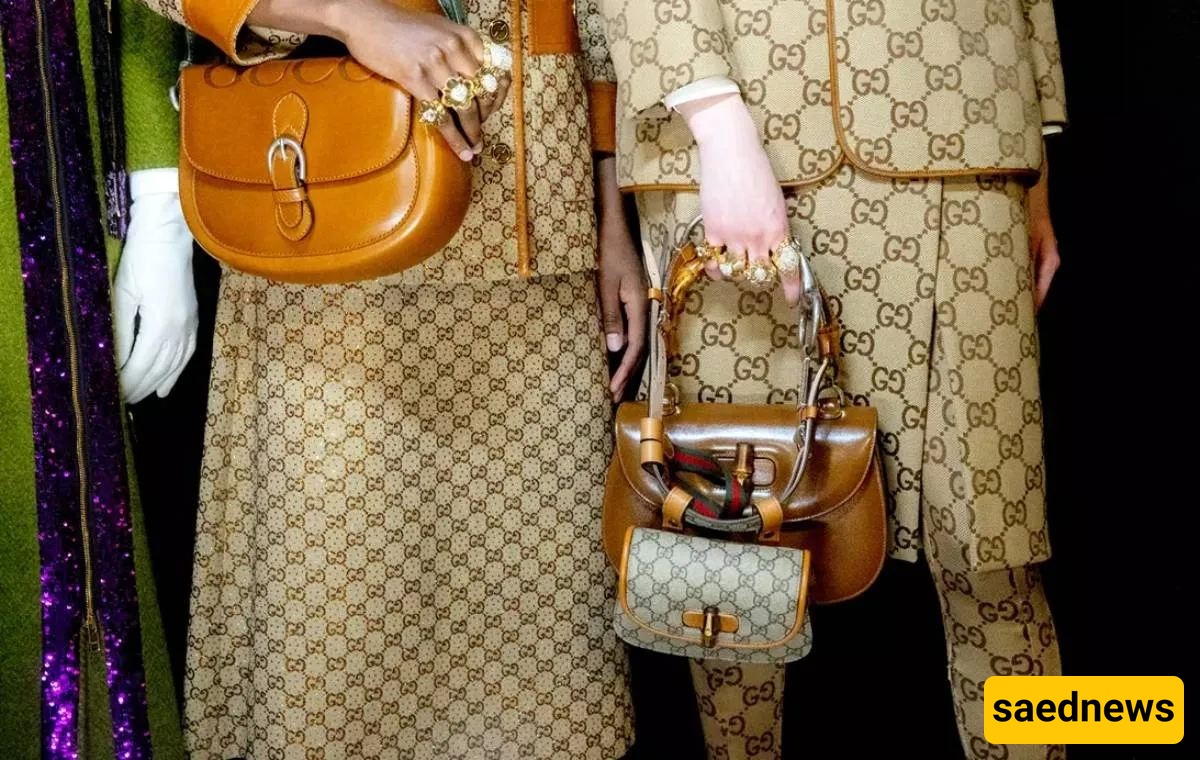
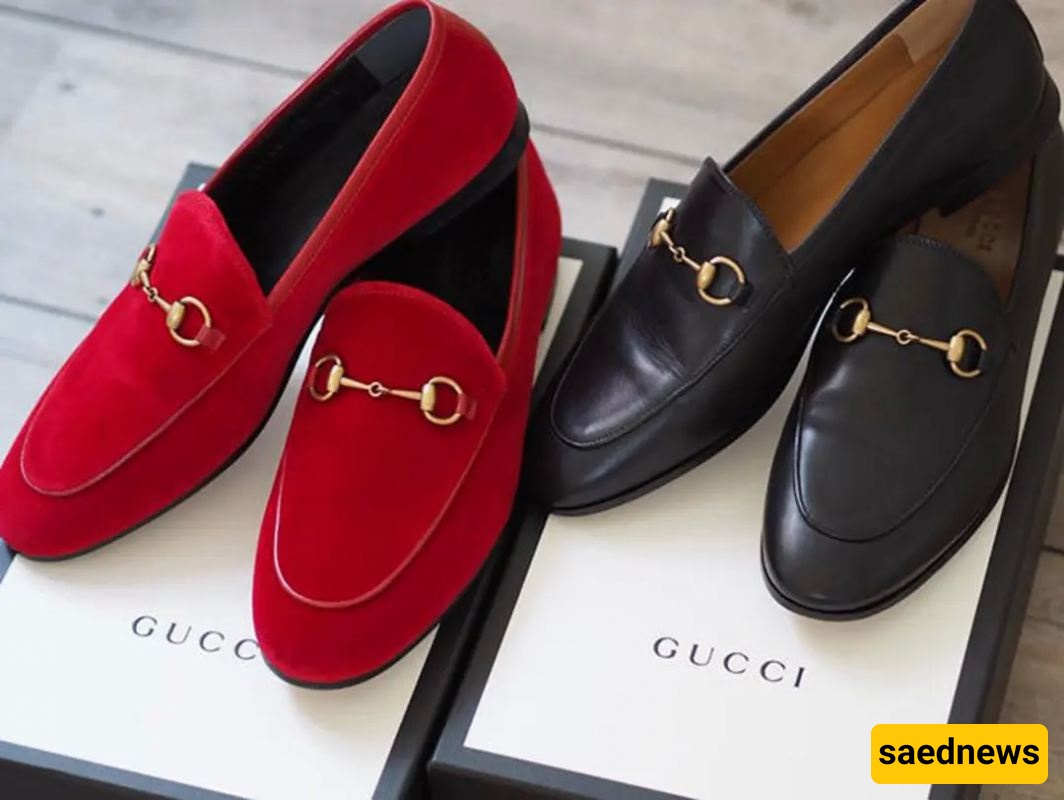
The 1950s and 1960s marked Gucci's first golden age. The brand became popular among celebrities and royalty, while products such as the Horsebit Loafer and Flora silk scarf became fashion classics.
During the 1970s and 1980s, Gucci expanded internationally but suffered from serious family disputes and excessive licensing. Low-quality products carrying the Gucci name damaged the brand's luxury reputation.
The early 1990s brought financial difficulties, family conflict, and tragedy. Maurizio Gucci was murdered in 1995, while the company was struggling to avoid financial collapse.
A major revival began when American designer Tom Ford became Gucci's creative director in 1994. His bold, sensual, and modern designs restored the brand's prestige and dramatically improved its financial performance.
After becoming part of the French luxury group Kering, Gucci continued its global expansion. In 2015, Alessandro Michele became creative director and introduced a highly distinctive aesthetic featuring maximalism, vintage influences, gender-fluid fashion, and elaborate designs. His vision made Gucci especially popular among younger digital audiences.
Following Michele's departure, Sabato De Sarno took over as creative director but left the brand in 2025 after a relatively short tenure.
Beyond fashion, Gucci has become a major cultural force through cinema, art, celebrity culture, and sustainability initiatives. The 2021 film House of Gucci also brought the brand's dramatic family history to a global audience.

Gucci's history is a story of ambition, creativity, crisis, and reinvention. From a small Florentine leather shop to a global luxury powerhouse, the brand has repeatedly adapted to changing times.
Today, Gucci remains more than a fashion label—it is a cultural symbol and one of the world's most recognizable names in luxury.