SAEDNEWS: Food odors can linger in a cutting board even after washing. Proper cleaning, drying, and occasional deep cleaning can help reduce stubborn smells.
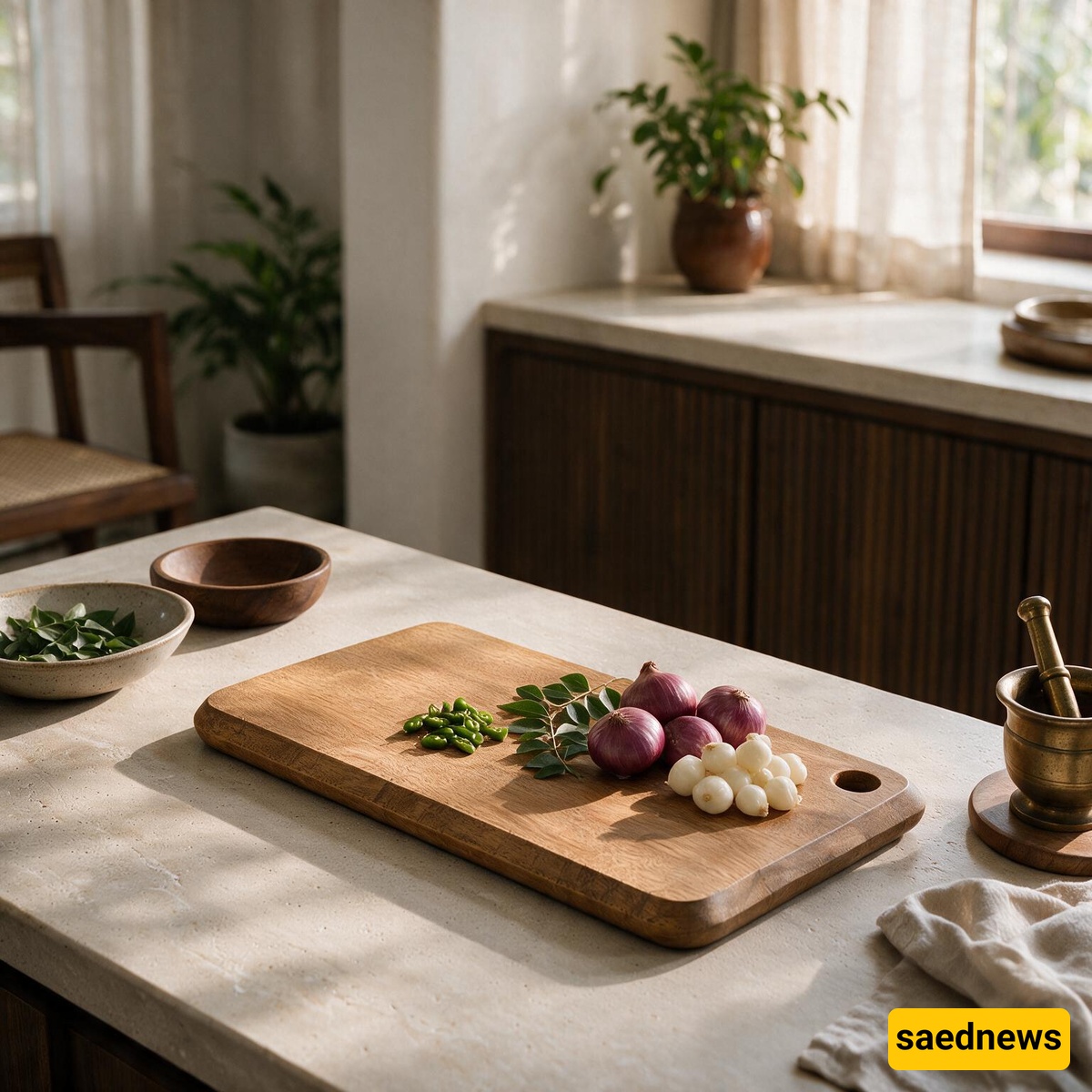
According to SAEDNEWS, a cutting board can hold onto food odors even when it looks perfectly clean. Tiny scratches and pores in the surface can trap moisture and food residues, allowing smells to remain after an ordinary wash.
Simply rinsing a board or washing it briefly with dish soap may not remove every trace of strongly scented foods. Wooden boards, in particular, can absorb moisture and odors more readily because their surfaces are naturally porous. Plastic boards can also develop scratches that collect small amounts of food residue.
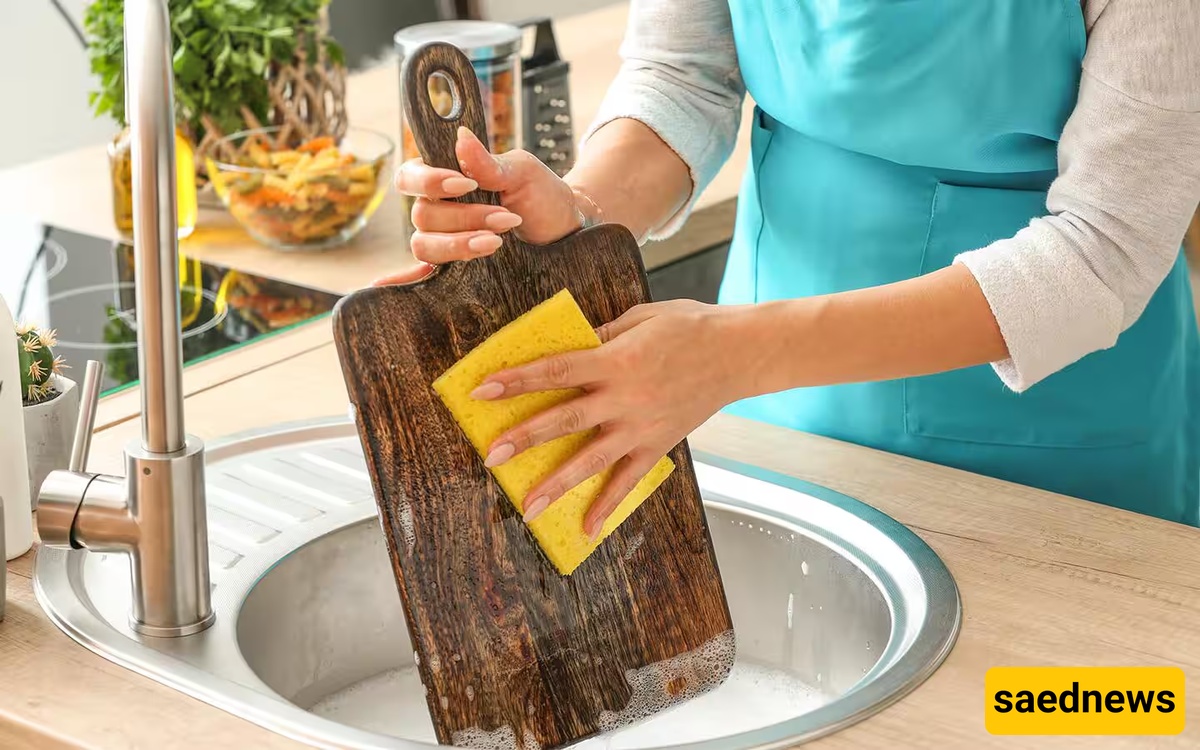
A better cleaning routine should address both residue and moisture. After using the board, wash it thoroughly with warm water and dish soap, paying attention to cuts, grooves, and other worn areas.
For a board that still smells after normal washing, try this simple routine:
Wash it thoroughly with warm water and dish soap.
Scrub the surface with a clean brush or sponge, especially around visible scratches.
Rinse well so no soap or loosened food residue remains.
Dry it completely with a clean towel and allow it to air-dry upright if possible.
For persistent odors on a washable board, a paste made from baking soda and a little water can be used as a gentle deodorizing treatment. Apply it to the surface, scrub lightly, then rinse thoroughly.
Leaving a cutting board wet can contribute to lingering smells because moisture makes it easier for remaining organic residue to persist. Proper drying is therefore part of cleaning, not simply an extra step.
It is also useful to avoid storing the board while it is still damp. Keeping it in a well-ventilated position allows air to reach both sides and helps the surface dry more completely.
If a board has deep grooves, extensive cracking, or a persistent odor that remains despite thorough cleaning, it may be time to replace it. A heavily worn surface is harder to clean effectively than one that is smooth and intact.
Regular washing, careful scrubbing, complete drying, and timely replacement of badly worn boards can help keep kitchen cutting surfaces cleaner and fresher.