SAEDNEWS: Tiny cracks on asphalt usually develop because of temperature changes, repeated traffic loads, aging, moisture, and natural movement in the pavement. These small cracks can gradually become wider and deeper if they are not addressed.
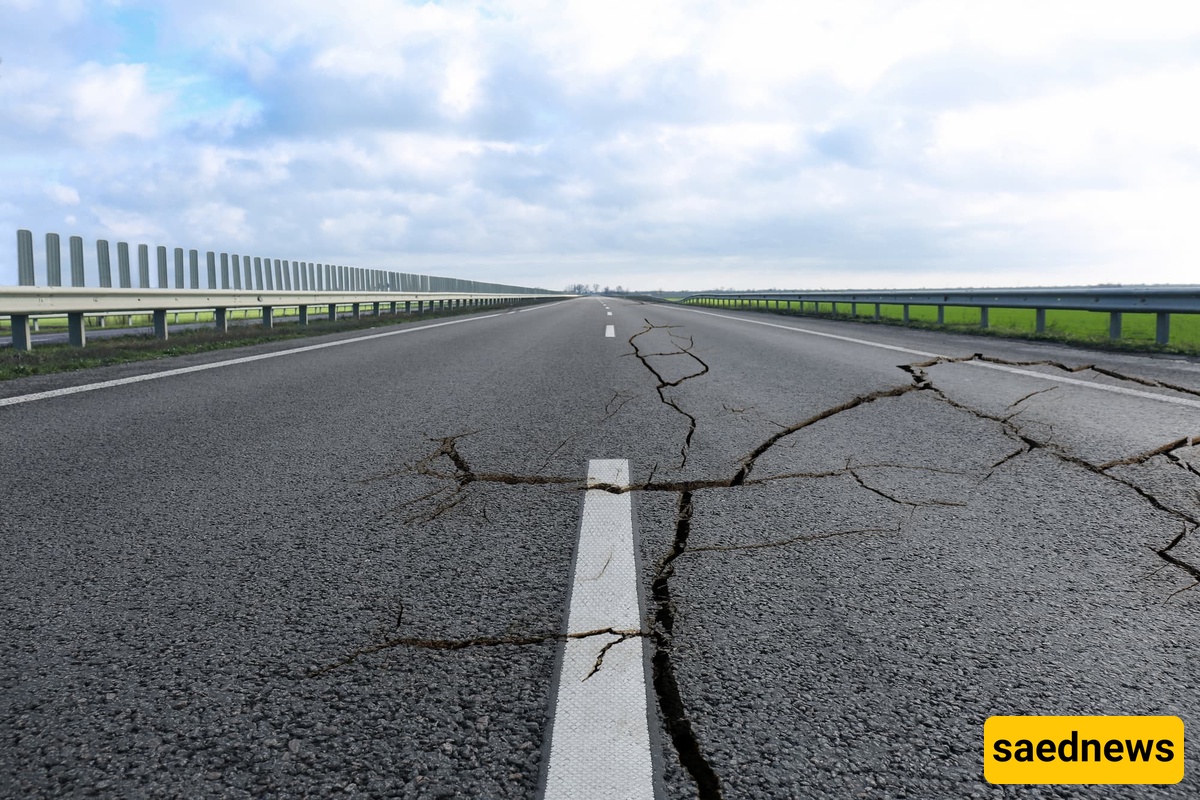
According to SAEDNEWS, asphalt is constantly exposed to changing environmental and physical conditions. Over time, these stresses can cause small fractures to appear on its surface. Tiny cracks may initially be difficult to notice, but they can become more visible as the pavement ages.
Daily and seasonal temperature changes are a major cause of small asphalt cracks. Asphalt expands when heated and contracts when it cools. Repeated expansion and contraction create stress within the pavement, eventually producing fine cracks on the surface.
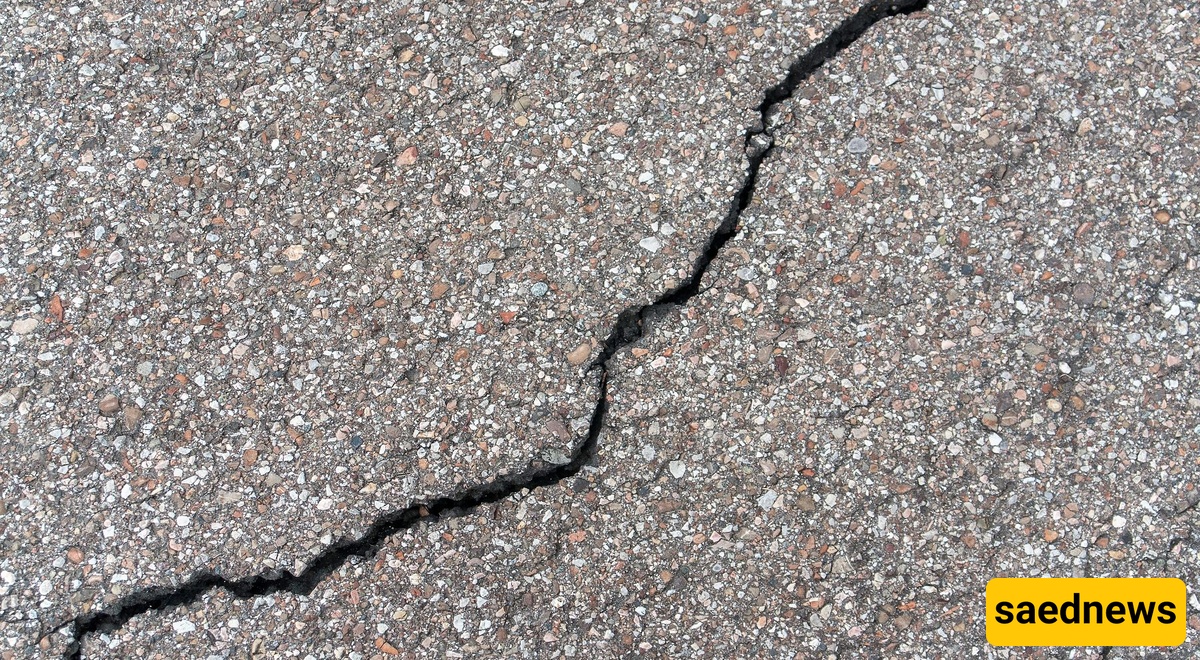
Vehicles place repeated pressure on asphalt, especially on heavily used roads. When the pavement experiences more loading than it can comfortably withstand, small cracks may gradually form. Over time, repeated traffic can cause these cracks to spread and connect with one another.
Asphalt naturally becomes less flexible as it ages. Exposure to sunlight, air, and changing weather conditions can make the pavement harder and more brittle. Once asphalt loses some of its flexibility, it becomes more likely to develop fine surface cracks.
Water can enter tiny openings in asphalt and weaken the layers underneath. Moisture may also contribute to changes in the supporting soil, creating additional stress in the pavement. If small cracks allow more water to enter, the damage can gradually become more serious.