SAEDNEWS: South Korea is launching a nationwide operation against organized and transnational crime, with authorities focusing heavily on younger gang members involved in fraud, illegal lending, money laundering and drug trafficking.
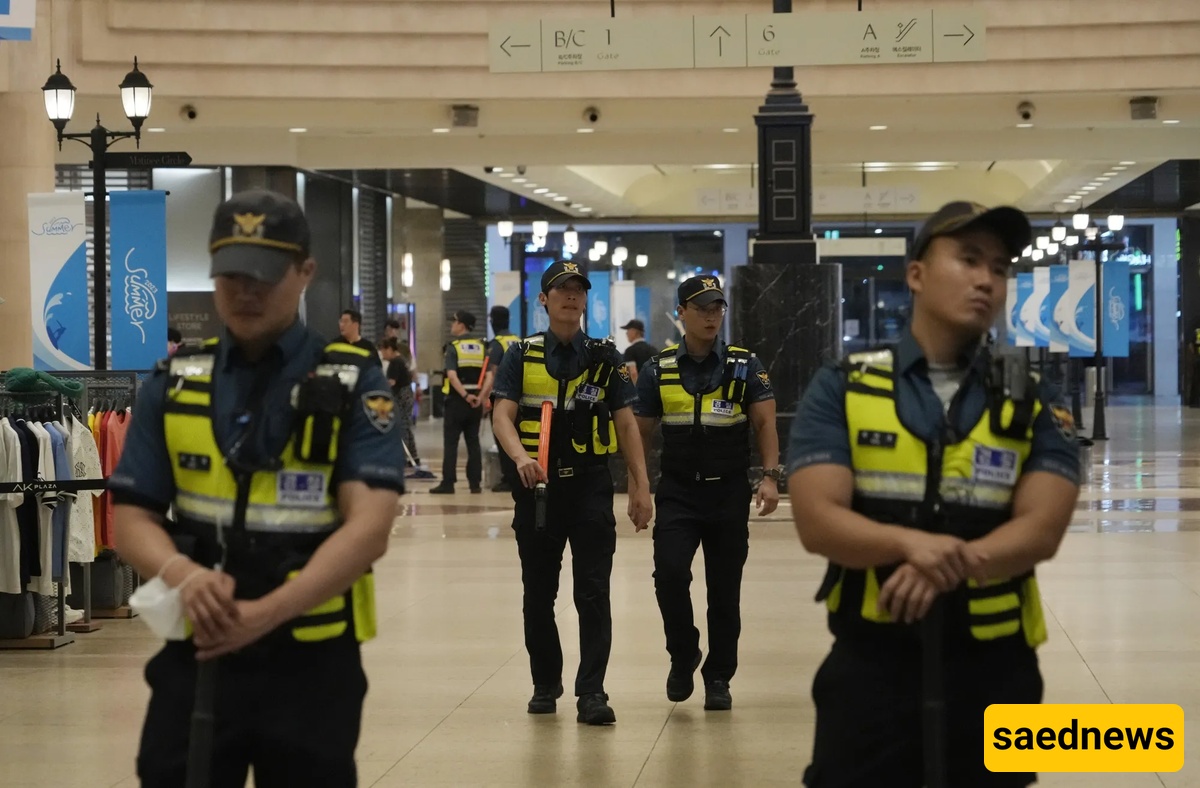
According to SaedNews: South Korea is preparing for a sweeping nationwide crackdown on organized and transnational crime, with police placing particular attention on a group increasingly visible in criminal networks: younger gang members involved in lucrative financial crimes.
The operation is scheduled to begin on Monday and will continue through October 31, according to the National Police Agency. Authorities say the campaign will target organized fraud, illegal private lending, money laundering and other crimes considered financially profitable for criminal groups.
But the operation will not stop at traditional criminal activity. Police are also turning their attention to offenders who use social media to display wealth believed to have been accumulated through illegal activities.
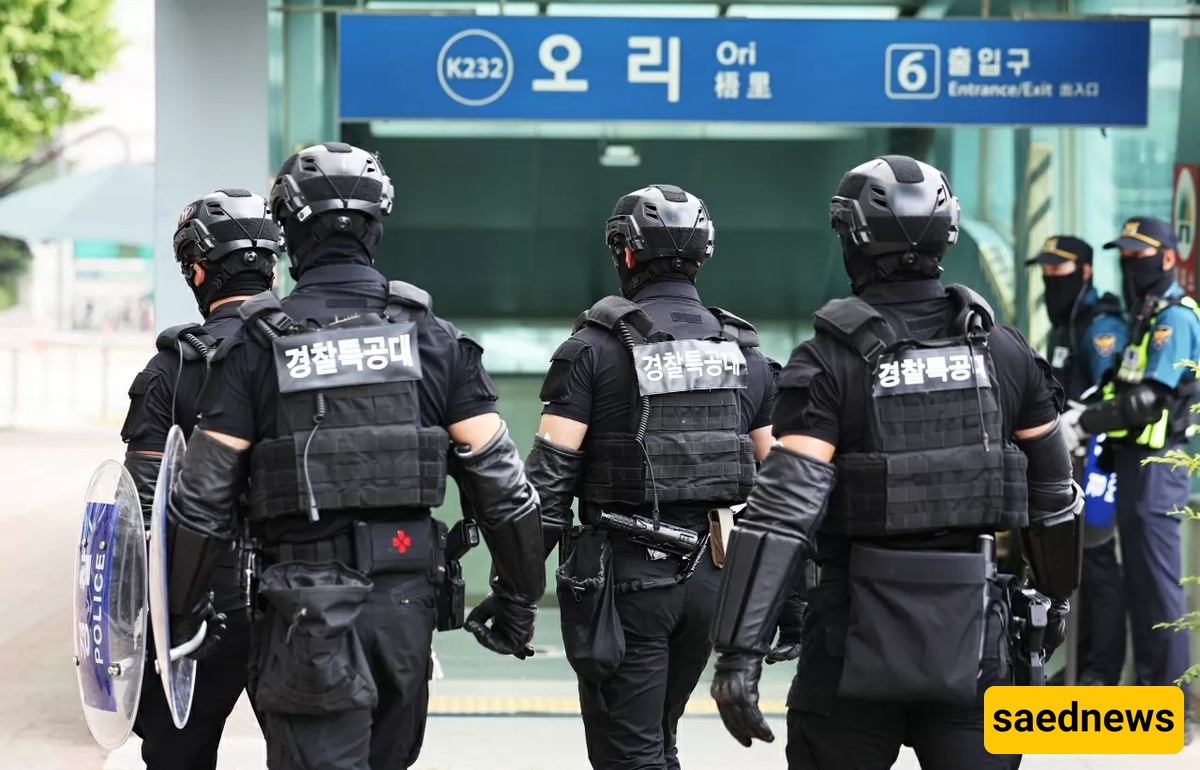
The move reflects a broader effort to disrupt not only the crimes themselves but also the networks, money and public image surrounding organized criminal groups.
One of the major areas of concern is the growing involvement of younger people in these networks. Recent arrest figures indicate that organized crime in South Korea is not limited to older or long-established gang members.
Between March and June, police arrested 1,185 members of criminal gangs, according to figures reported by Anadolu. That represented a 9.7 percent increase compared with the previous round of similar operations.
Perhaps more striking is the age profile of those arrested. People in their 30s or younger accounted for 63.6 percent of the suspects detained during the period.
That figure is helping shape the priorities of the new operation. Rather than focusing exclusively on traditional gang structures, authorities are also targeting younger participants who become involved in fraud, financial crimes and other activities connected to organized networks.
Financial crime is expected to remain a central focus. Organized fraud and illegal private lending can generate substantial profits for criminal groups, while money laundering allows those proceeds to be moved or concealed.
By targeting these activities together, police are attempting to strike at the financial foundations that allow organized crime networks to operate.
Drug trafficking is another major component of the campaign. Authorities have specifically identified synthetic drugs, including ketamine, as a target.
The operation will also address organized crimes involving foreign nationals, highlighting the cross-border dimension of the campaign. The inclusion of transnational criminal activity suggests that police are looking beyond individual offenders and focusing on networks that operate across different jurisdictions.
The decision to launch the operation follows an increase in organized and transnational crime during the first half of the year. Police are therefore entering the campaign with recent arrest figures pointing to continued activity within criminal networks.
The attention to social media adds another unusual dimension. Criminal suspects who publicly display expensive lifestyles or wealth obtained through illegal activities may provide investigators with clues about the scale and visibility of illicit proceeds. At the same time, the focus illustrates how online platforms have become part of the environment in which modern organized crime operates.
For authorities, the challenge is not simply to arrest individual gang members. Organized crime can depend on financial channels, recruitment networks, drug distribution and connections that allow criminal groups to continue operating even after some members are detained.
The new operation therefore brings several targets together: fraud networks, illegal lenders, money launderers, drug traffickers, younger gang members and organized crime involving foreign nationals.
The numbers from the previous operation provide an important backdrop. With 1,185 gang members arrested between March and June and younger suspects making up nearly two-thirds of those arrests, police are facing a criminal landscape in which younger people appear to play a significant role.
Whether the new campaign can disrupt those networks will depend on how effectively investigators trace illicit money, dismantle criminal structures and prevent their replacement by new recruits.
For now, South Korea's authorities are sending a clear message: organized crime, particularly its profitable financial and transnational forms, will face sustained police attention through the end of October. The scale of the operation and its focus on younger offenders suggest that authorities are attempting to confront not only established criminal groups, but also the emerging generation that could keep those networks alive.
The coming months will show whether this nationwide push can produce a lasting impact—or whether the criminal networks targeted by police simply adapt and find new ways to operate.