SAEDNEWS: Boiling eggs is one of the easiest cooking methods, yet many people notice that the shells sometimes crack during cooking. These cracks can affect the appearance of the eggs and allow some of the egg white to leak out. Understanding the common causes can help you prevent this problem and achieve better results every time.
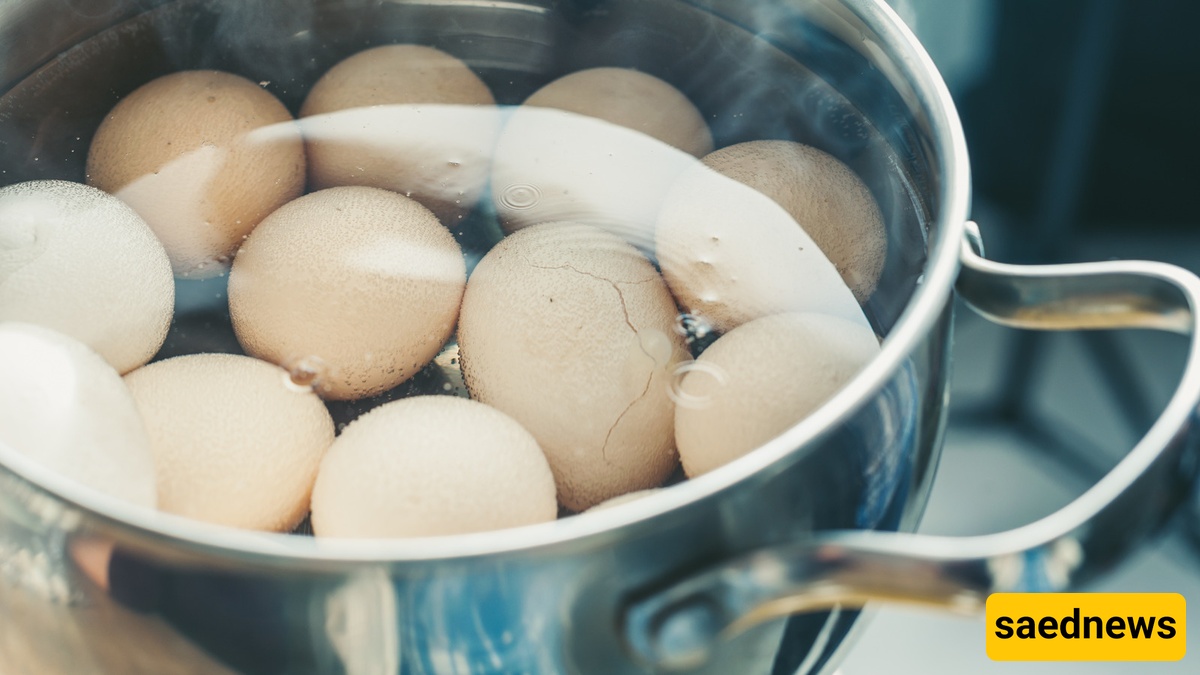
According to SAEDNEWS, eggs usually crack because of sudden temperature changes or physical impact. When a cold egg is placed directly into boiling water, the shell expands quickly while the inside remains cool. This rapid change creates stress on the shell, increasing the chance of cracking.
One of the most common reasons for cracked eggs is moving them straight from the refrigerator into hot water. Allowing eggs to sit at room temperature for about fifteen to twenty minutes before boiling helps reduce the temperature difference. Starting the eggs in cool water and heating them gradually is another effective way to protect the shells.
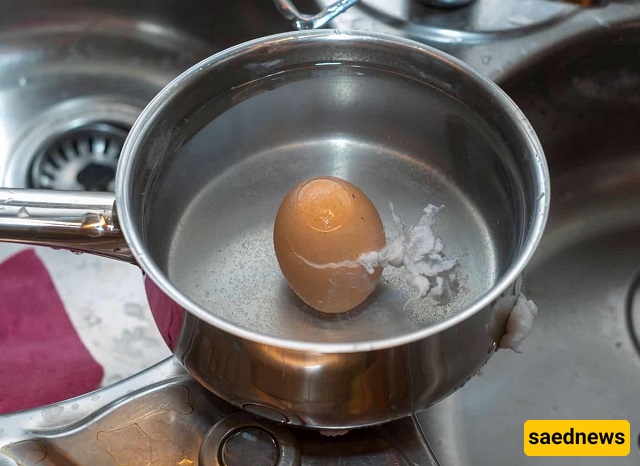
Eggs can also crack if they bump against each other or hit the sides of the pot while the water is boiling vigorously. Using a saucepan that comfortably holds the eggs in a single layer and keeping the water at a gentle simmer instead of a rolling boil can reduce movement and prevent damage.
Some eggs naturally have thin shells or tiny hairline cracks that are difficult to see before cooking. These weak areas are more likely to split under heat. Checking eggs for visible damage before boiling and handling them carefully during storage and cooking can help minimize this issue.
For the best results, let refrigerated eggs warm slightly before cooking, place them gently into the pot, and heat the water gradually. Avoid overcrowding the pan, maintain a gentle simmer, and cool the eggs in cold water after cooking. These simple habits can greatly reduce shell cracking and help you prepare smooth, evenly cooked boiled eggs every time.