SAEDNEWS: The thickness of fabric can significantly affect its drying time. Thicker materials usually hold more water and allow moisture to travel more slowly to the surface, while thinner fabrics tend to release water faster. Air movement, humidity, temperature, and fabric structure also influence the drying process.

According to SAEDNEWS, fabric thickness is an important factor in drying speed. When a fabric becomes wet, water is absorbed into its fibers and spaces. Thicker materials generally contain more fibers and have a greater capacity to retain moisture, so they often require more time to dry completely than thin fabrics.
Thick fabrics can hold a larger amount of water within their inner layers. Moisture must gradually move from these deeper areas toward the outer surface before it can evaporate. In contrast, thin fabrics have less material for water to travel through, allowing moisture to reach the surface more easily and evaporate faster.
Air circulation can strongly affect how quickly fabric dries. Moving air removes moisture from the fabric’s surface and encourages more water to evaporate. A thick fabric may still dry slowly in strong airflow because its inner layers can remain damp, while a thin fabric can become dry relatively quickly.
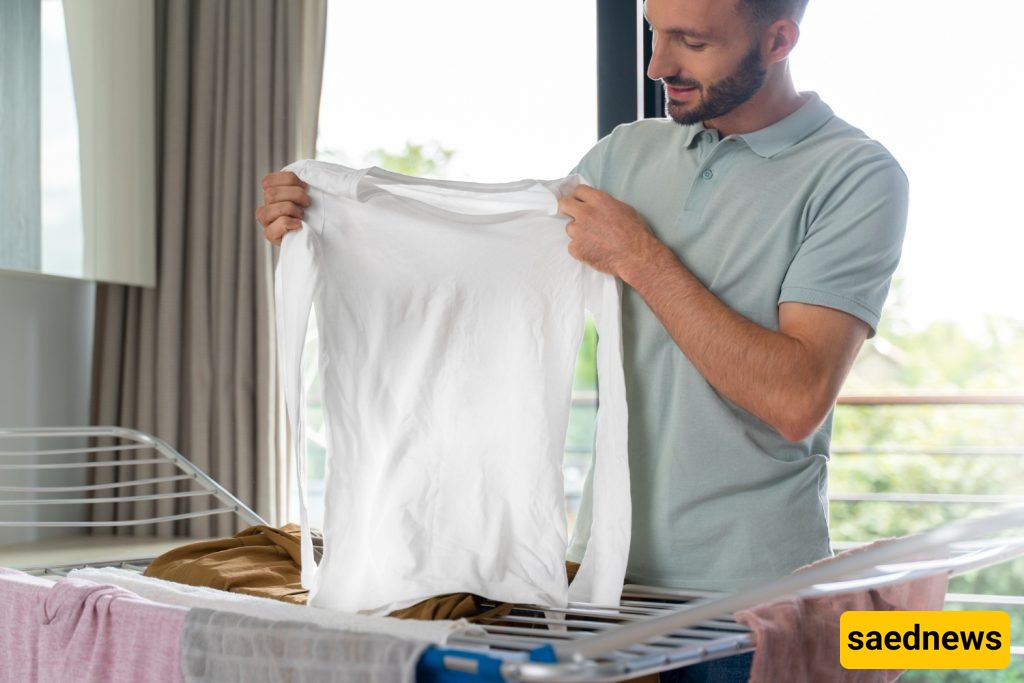
Warm, dry air generally speeds up evaporation, whereas cool or humid conditions slow it down. Even a thin fabric may take a long time to dry in a humid environment. For thick fabric, high humidity can make the process even slower because the surrounding air has less capacity to absorb additional moisture.
Thickness is not the only factor that determines drying speed. The type of fibers, weave, surface area, and ability to absorb water all play roles. A loosely woven thick fabric may dry differently from a tightly woven fabric of similar thickness. Therefore, two materials with the same thickness can have noticeably different drying times.
Spreading wet fabric out rather than folding it can expose more surface area to air and help moisture escape. Good ventilation and moderate warmth can also accelerate drying. In general, thinner fabrics tend to dry faster, but airflow, humidity, temperature, and fabric structure can be equally important.