SAEDNEWS: Discover the best earplugs for sleeping, including foam, silicone, wax, and custom-made options, along with helpful tips for choosing the right pair and an overview of leading brands.
According to Saednews, Quality sleep is one of the foundations of both physical and mental health. However, in today’s noisy world, many people struggle to achieve deep, uninterrupted rest.
Traffic noise, neighbors, passing vehicles, street sounds, and even a partner’s snoring can significantly interfere with sleep quality.
Research suggests that environmental noise can make it harder to fall asleep, cause repeated awakenings during the night, reduce the amount of deep sleep, and contribute to daytime fatigue and reduced concentration. Persistent exposure to noise may also have broader effects on cardiovascular health.
Fortunately, earplugs can provide a simple and affordable way to reduce unwanted sounds at night. In this guide, we’ll look at the main types of sleep earplugs, their advantages and disadvantages, the features that matter most, and how to choose an option that fits your sleeping habits.
If you want a quieter and more comfortable night’s sleep, here’s what you should know.
Before choosing a pair, it helps to understand why reducing nighttime noise can matter.
During sleep, the body moves through several stages, including light sleep, deep sleep, and REM sleep. Sudden or persistent sounds can interrupt these stages, sometimes without fully waking you.
A sudden noise may pull you out of deep sleep, a stage that plays an important role in physical recovery. Even when a person does not consciously wake up, repeated disturbances can reduce overall sleep quality.
Depending on the design and fit, some standard earplugs can reduce environmental noise by roughly 20 to 33 decibels. This can be particularly useful in busy urban areas, apartment buildings, shared bedrooms, or homes where snoring is an issue.
The best earplugs for sleeping depend on your ears, sleeping position, sensitivity to materials, and how much noise you need to reduce. The most common options include foam, silicone, wax, and custom-molded earplugs.
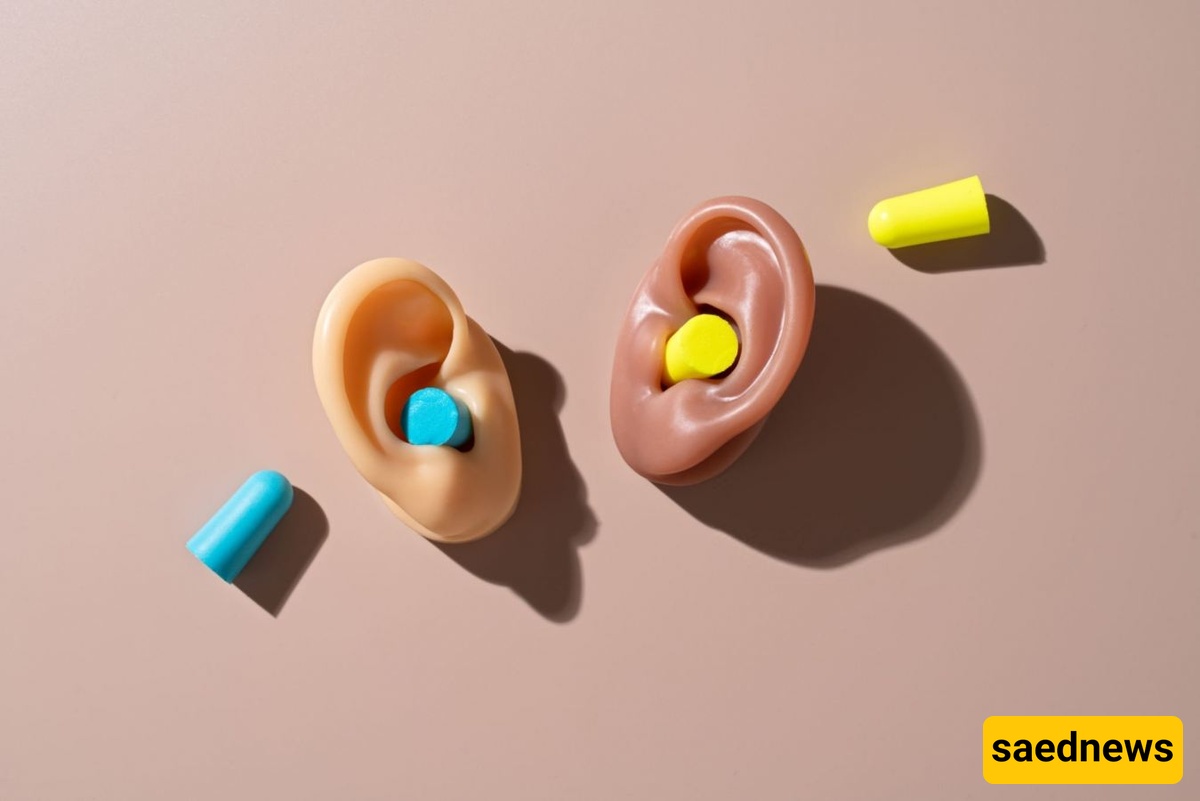
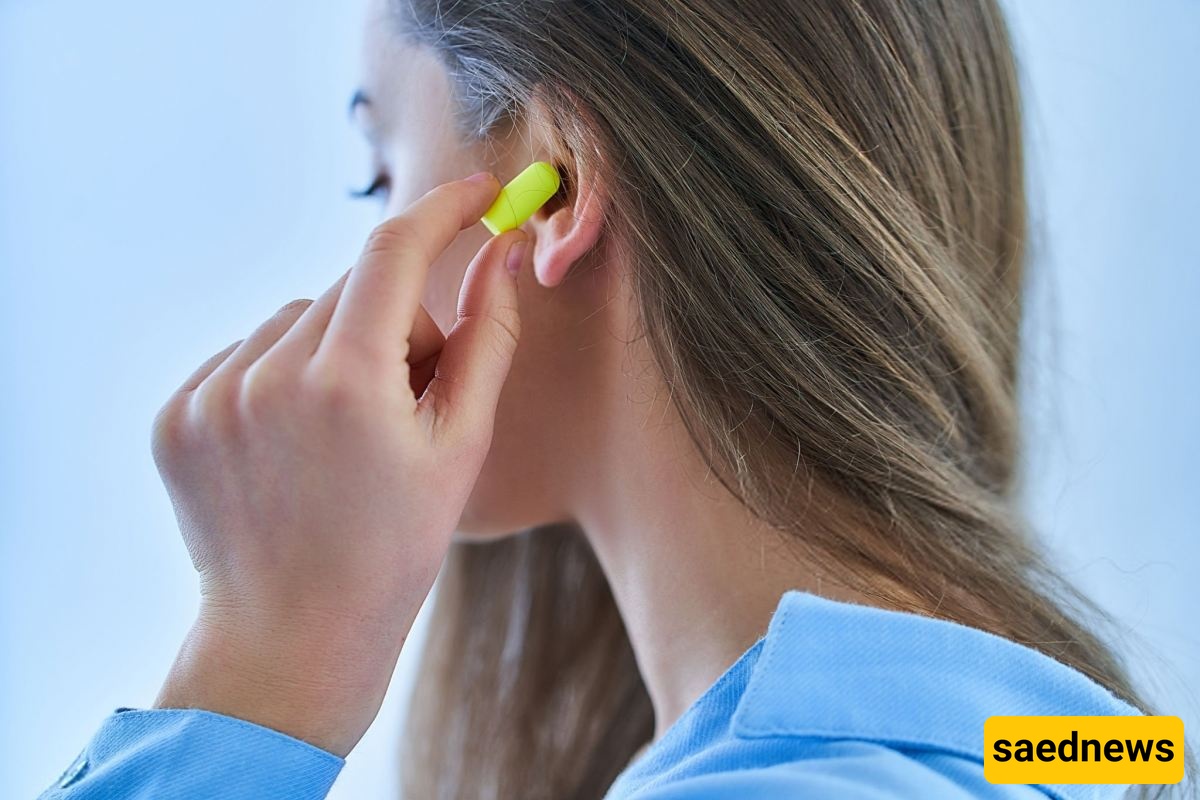
Foam earplugs, usually made from polyurethane foam, are among the most common and affordable options.
To use them, you compress the earplug between your fingers and insert it into the ear canal. The foam then gradually expands and conforms to the shape of the canal.
Advantages:
Affordable
Often provides a high level of noise reduction
Widely available
Suitable for disposable or short-term repeated use
Disadvantages:
Some people find the expanding pressure uncomfortable
They lose their elasticity after repeated use
A standard size may not fit every ear comfortably
For people who mainly want maximum noise reduction at a low price, foam earplugs can be a practical starting point.
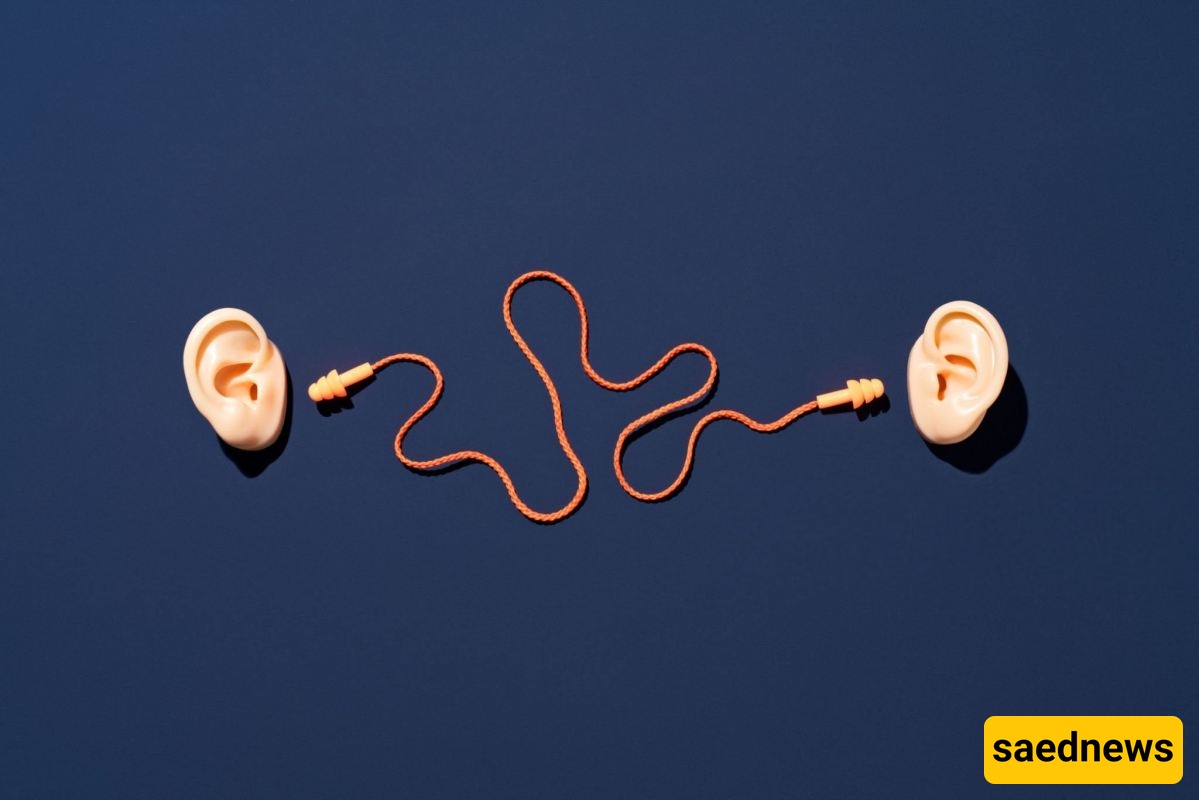
Silicone earplugs generally come in two main forms: moldable silicone and flanged silicone designs.
Moldable silicone: These are soft, putty-like earplugs that are placed over the entrance of the ear and shaped by hand. Because they do not need to sit deeply inside the ear canal, they can be particularly comfortable for side sleepers.
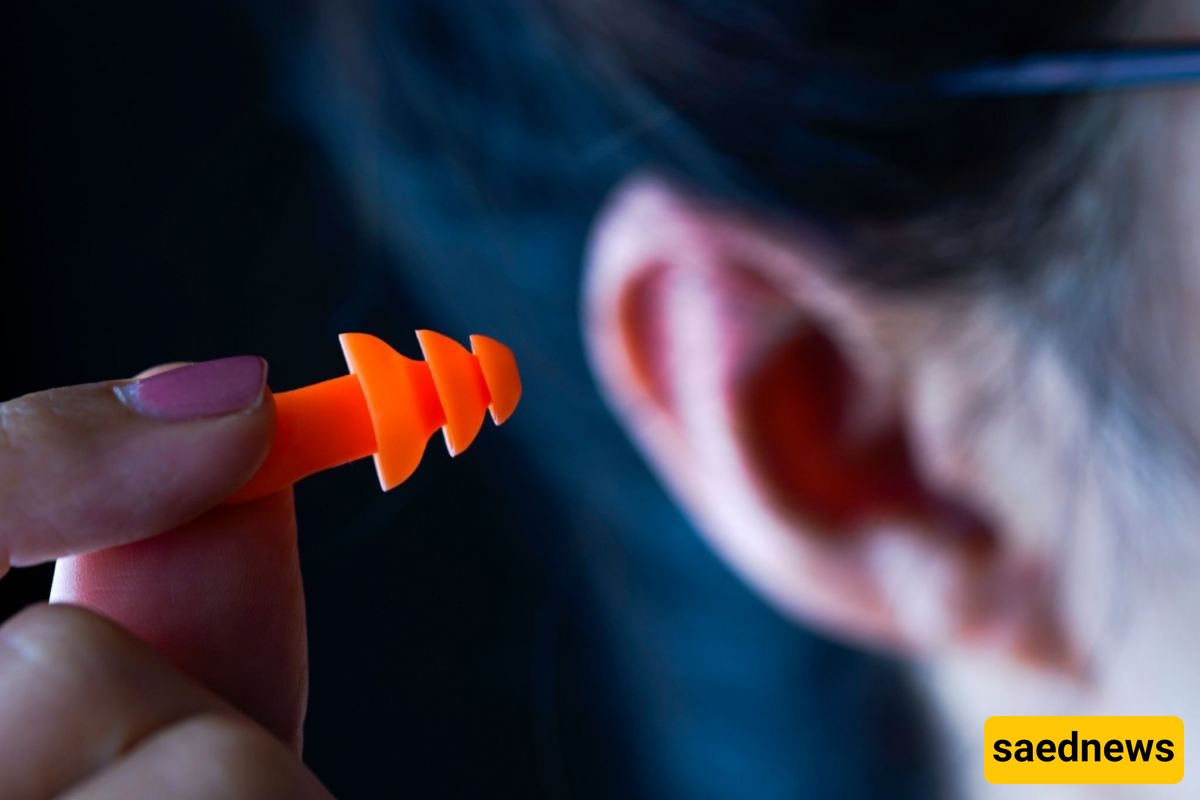
Flanged silicone: These resemble traditional earplugs but use silicone instead of foam. Their flanged design sits at the entrance of the ear canal rather than being pushed deeply inside.
Advantages:
Soft and comfortable
Many types can be washed and reused
Moldable silicone can work well for side sleepers
Often suitable for people who find foam uncomfortable
Disadvantages:
Noise reduction may be lower than that of high-rated foam earplugs
Moldable silicone can collect hair or lint
Usually costs more than basic foam earplugs
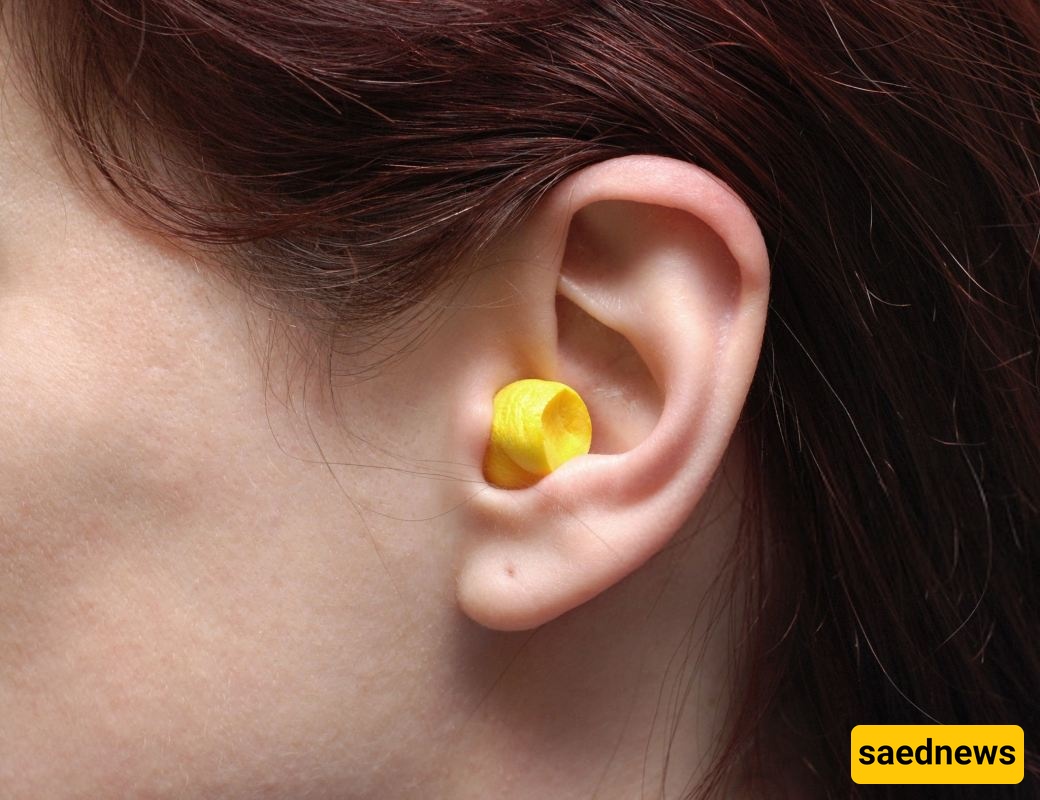
Wax earplugs are made from soft ear-friendly wax or wax-like materials. They are popular among sleepers because they can be shaped to fit around the outer ear.
The material becomes softer with body heat and can conform closely to the ear.
Advantages:
Very soft
Comfortable for many sensitive ears
Provides a barrier against both water and sound
Can be comfortable for side sleepers
Disadvantages:
May feel slightly sticky
The area around the ear may need cleaning after use
Noise reduction may not be as high as that of some foam models
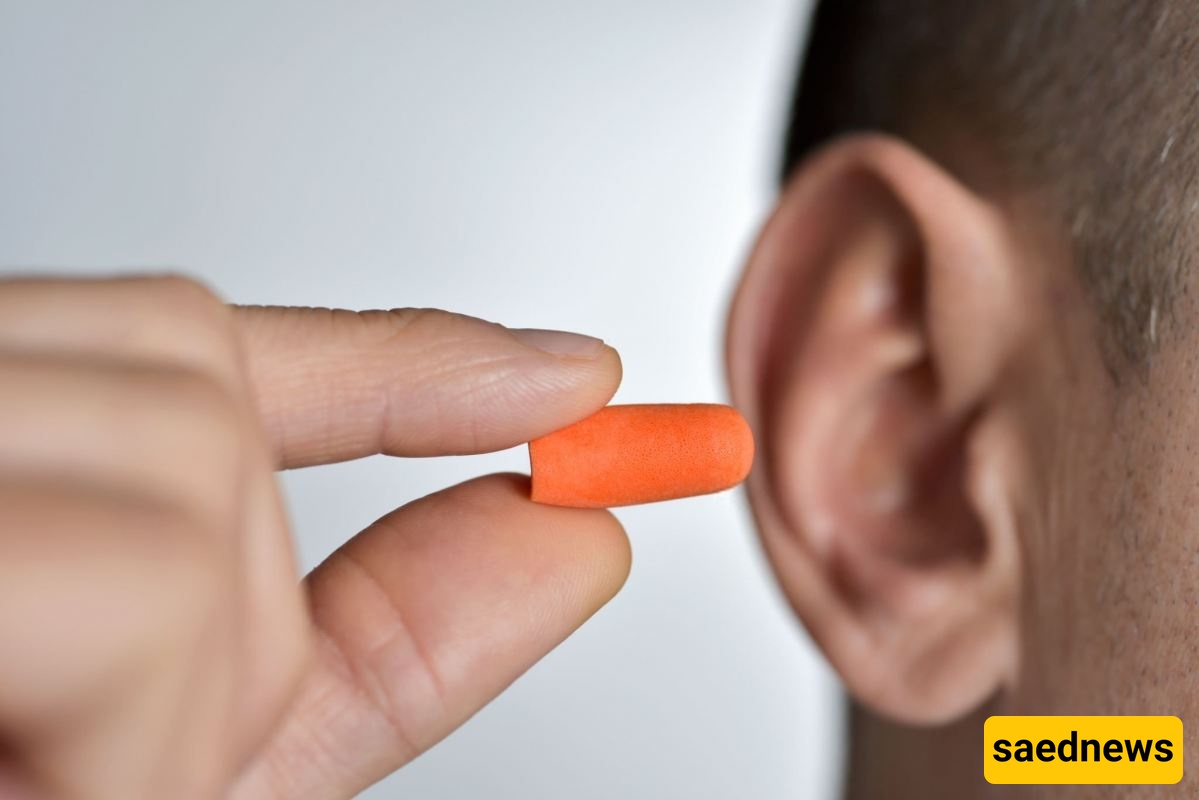
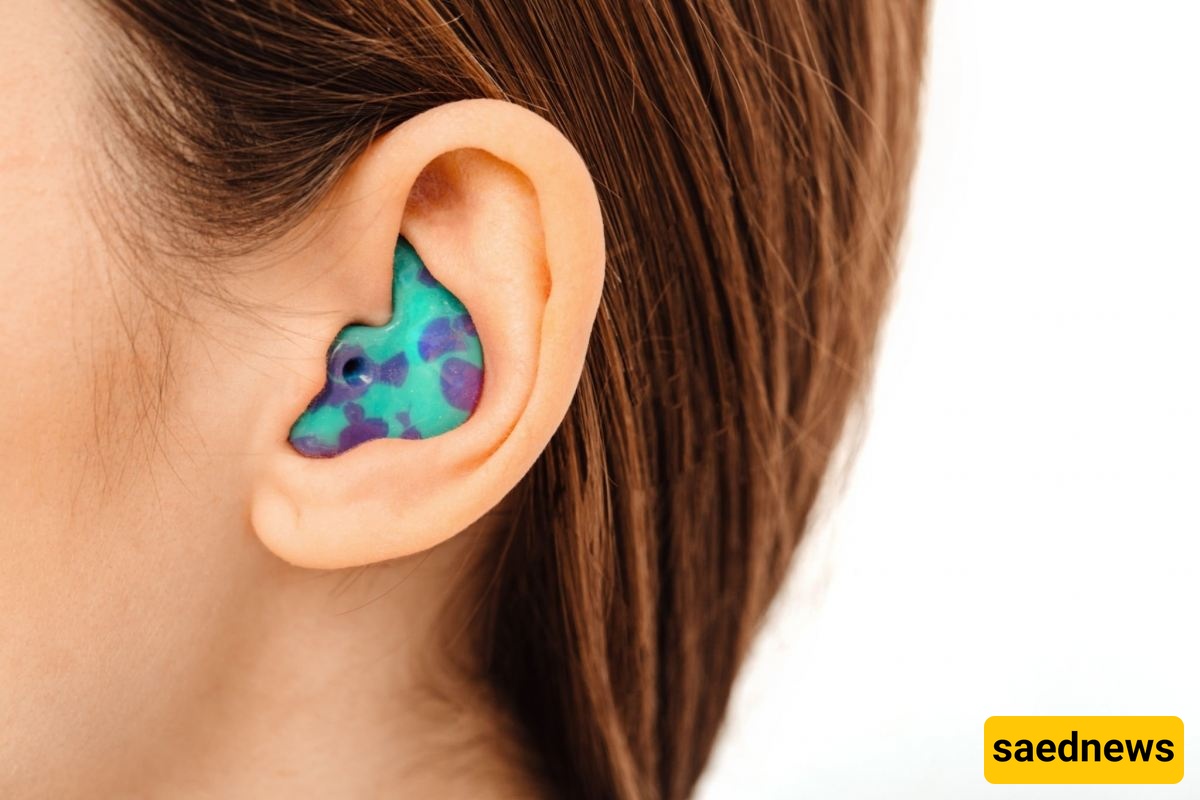
Custom-molded earplugs are made from an impression of your ear by an audiologist or other qualified hearing professional.
Because they are individually fitted, they can provide excellent comfort and a secure fit.
Advantages:
Precisely matched to the shape of your ears
Can be comfortable for extended use
Durable and designed for long-term use
Can provide excellent noise reduction when properly fitted
Disadvantages:
More expensive than standard earplugs
Requires professional fitting
Takes time to manufacture
For people who regularly use earplugs and have difficulty finding a comfortable standard size, custom-molded options may be worth considering.
There is no single earplug that is best for everyone. Consider these factors before buying.
Noise reduction is usually expressed in decibels. A higher rating generally indicates greater potential noise reduction under standardized testing conditions.
For particularly noisy environments, look for a product with a high noise-reduction rating. For ordinary household sounds, a moderate level of protection may be sufficient.
Keep in mind that the actual amount of noise reduction depends heavily on proper fit and how the product is designed.
Your sleeping position can make a significant difference.
Side sleepers: Low-profile moldable silicone or wax earplugs can be more comfortable because they create less outward pressure.
Back sleepers: Most earplug styles can work comfortably.
People who move frequently: Foam earplugs that fit securely inside the ear canal may be less likely to shift during the night.
If your ear canals are sensitive or you are prone to irritation, choose a material that feels comfortable and follow the manufacturer's cleaning instructions.
Reusable silicone and soft wax-style earplugs may be preferable for some people, while others may find high-quality foam more comfortable.
If you experience persistent irritation, pain, discharge, or other ear problems, stop using the product and consult a healthcare professional.
Foam earplugs are usually the least expensive option, although disposable models need to be replaced regularly.
Reusable silicone and wax options may cost more initially but can be more economical over time.
Custom-molded earplugs have the highest upfront cost but can offer a highly personalized fit.
Reusable earplugs should be cleaned according to the manufacturer's instructions.
Keeping them clean can help reduce the buildup of dirt and oils. Store reusable earplugs in a clean, dry case when they are not being used.
Even a well-designed earplug will not work properly if it is inserted incorrectly.
Wash your hands with soap and water before handling earplugs and placing them in your ears. This helps reduce the risk of transferring dirt and bacteria.
For foam earplugs, roll and compress the foam into a thin cylinder. With your opposite hand, gently pull the outer ear upward and backward to help straighten the ear canal.
Insert the earplug carefully and hold it in place for around 20 to 30 seconds while the foam expands.
Do not push an earplug farther into the ear than necessary.
After use, wipe reusable earplugs with a clean cloth when appropriate and store them in their case.
Follow the manufacturer's instructions regarding washing. Some silicone earplugs can be cleaned with warm water and mild soap, while others require different care.
If an earplug causes pain or excessive pressure, do not force it into your ear.
Try a smaller, softer, or differently shaped design. A low-profile silicone option may be more comfortable for people who dislike the sensation of traditional foam earplugs.
Several established brands offer products designed for sleep, travel, noise reduction, or hearing protection.
Mack’s is a long-established American brand known for foam, silicone, and other types of earplugs. Its products include options designed specifically for sleeping and general noise reduction.
3M produces a wide range of hearing-protection products, including traditional foam earplugs. Its classic designs are widely used for noise reduction in workplaces as well as everyday situations.
Ohropax is a German brand known for wax, silicone, and foam earplugs. Its wax products are particularly well known in European markets.
Loop has become popular for its reusable earplugs and modern designs. Its product range includes options aimed at reducing everyday noise and improving comfort during sleep.
Alpine is a Dutch hearing-protection brand that offers several earplug designs, including products developed specifically for sleeping and sensitivity to environmental noise.
Your ideal choice depends on what you are trying to solve.
For the lowest-cost option: A reputable pair of foam earplugs is a good place to start.
For frequent use and sensitive ears: Reusable silicone or soft wax options may be more comfortable.
For reducing a partner’s snoring: A comfortable, well-fitting earplug with moderate-to-high noise reduction may be sufficient.
For travel, hotels, or flights: Foam earplugs are convenient because they are lightweight, easy to carry, and readily replaceable.
For long-term personalized use: Custom-molded earplugs can provide a precise fit.
Some people prefer white-noise machines, fans, or other background sounds instead of earplugs.
The two approaches work differently.

Earplugs physically reduce the amount of external sound reaching your ears. White noise, on the other hand, adds a consistent background sound that can mask sudden or distracting noises.
For some sleepers, either method may work well on its own. In particularly noisy environments, combining moderate sound reduction with a steady background noise source may provide additional comfort.
A simple fan, for example, can create consistent background noise while earplugs reduce the overall volume of outside sounds.
The most effective approach ultimately depends on the type of noise around you and your personal comfort.
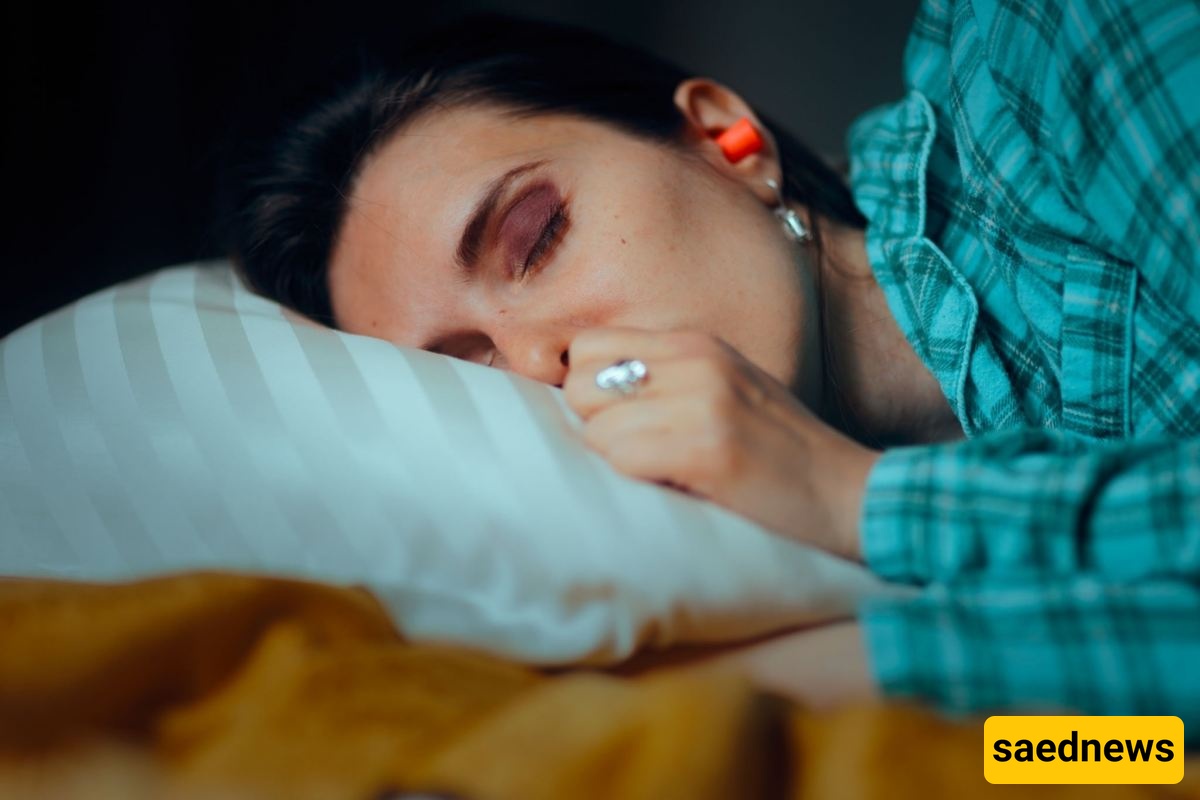
In a world where environmental noise has become part of everyday life, protecting your sleep can be an important part of maintaining overall well-being and daytime performance.
The best earplugs for sleeping are not necessarily the most expensive or the ones with the highest noise-reduction rating. The right choice is the one that fits comfortably, stays in place, suits your sleeping position, and provides an appropriate level of sound reduction.
If you are new to sleeping with earplugs, inexpensive foam models can be a simple way to see whether you like the experience. If comfort is your top priority, low-profile silicone or soft wax designs may be worth trying. For people who use earplugs frequently and want a personalized fit, professionally fitted custom earplugs are another option.
A quieter bedroom can make it easier to protect the uninterrupted rest your body needs. Choosing the right earplugs is a small step that may make a meaningful difference to your nightly routine.