SAEDNEWS: A comprehensive guide to choosing the best brushes for gouache painting, covering brush types, bristle materials, ideal sizes, trusted brands, and essential care tips for creating professional-quality artwork.
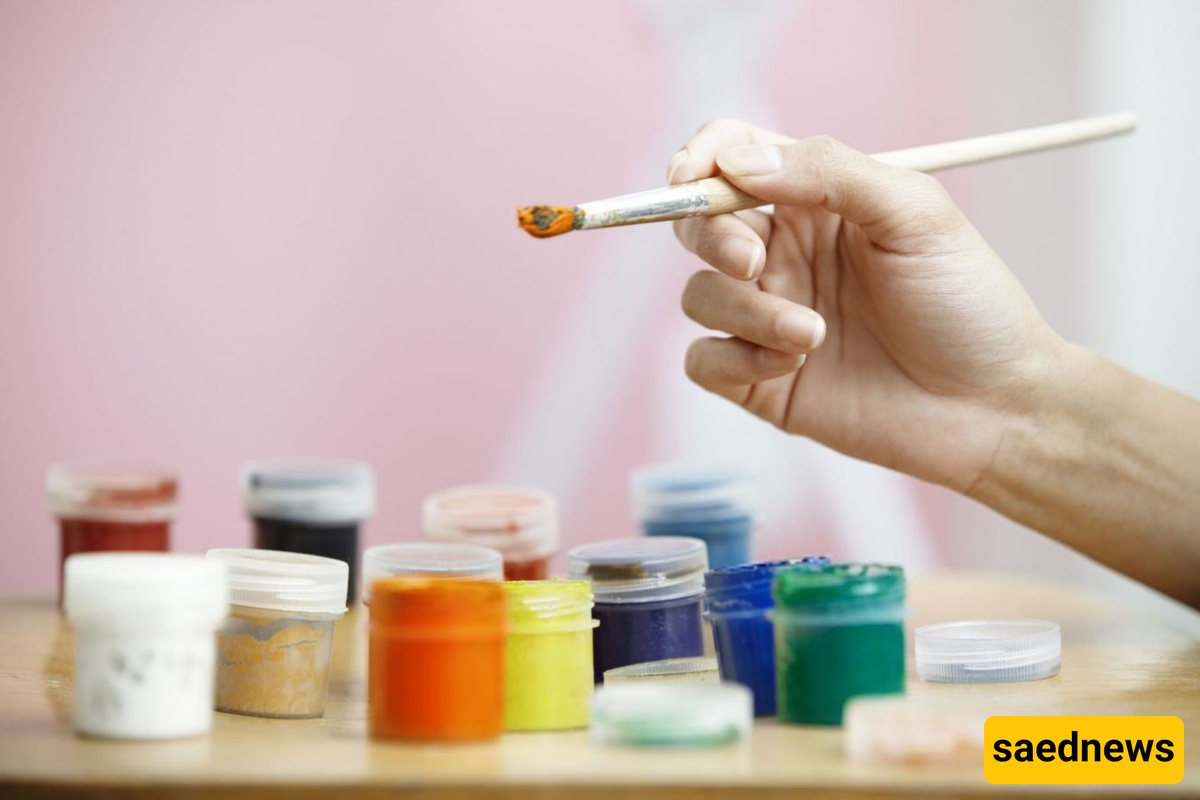
According to Saednews, Gouache is one of the most popular and versatile artistic mediums among both beginner and professional painters. Made from a combination of water, gum, and pigments, gouache can be used on a variety of surfaces, including paper, cardboard, canvas, and even wood.
However, one factor that can have a significant impact on the final quality of your artwork is choosing the right brush. In this comprehensive guide, we will explore the best brushes for gouache, their different types, important features, and proper care techniques so you can make an informed choice for your artwork.
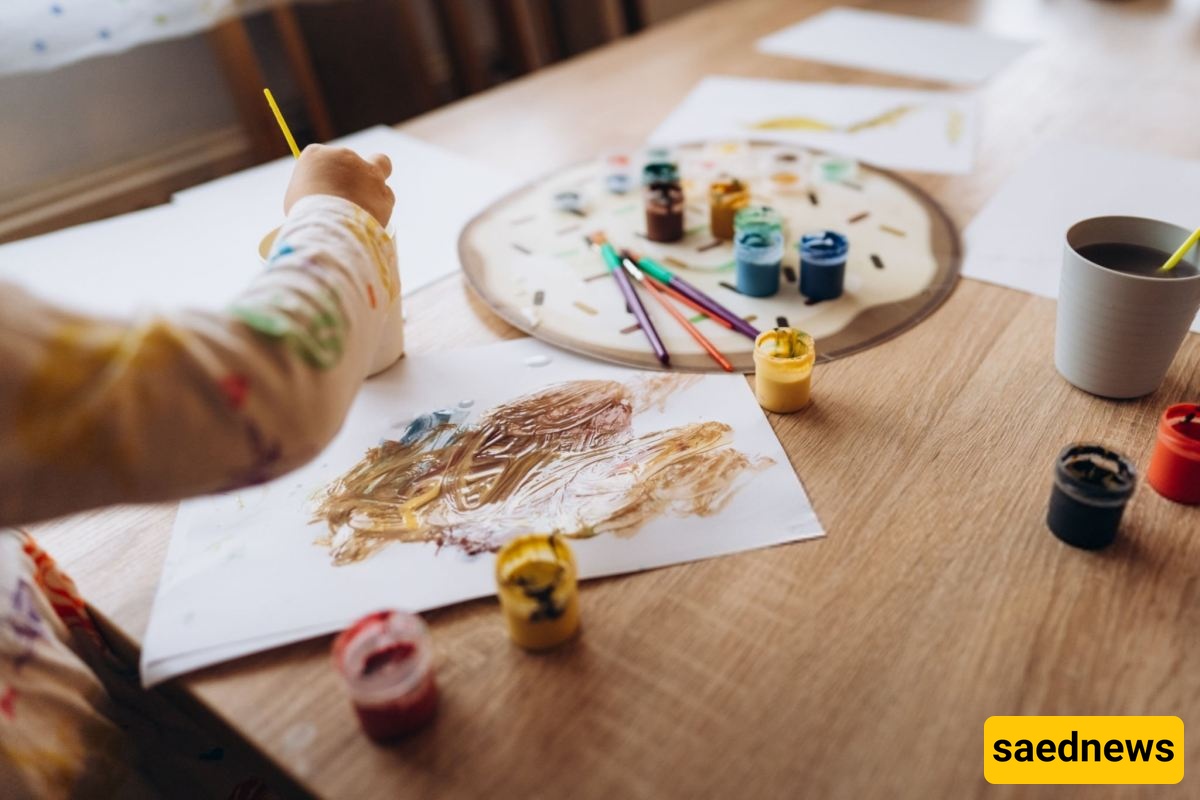
Gouache has unique characteristics that distinguish it from watercolor and acrylic paint. It has a thick, creamy consistency that creates a matte, velvety surface when dry. Because of this particular texture, the right brush needs to be able to hold an adequate amount of paint, distribute it evenly, and create precise details.
Using an unsuitable brush can lead to problems such as:
Uneven paint distribution across the surface
Unwanted lines and visible brush marks
Excessive paint absorption by the bristles, resulting in wasted material
Less control over paint thickness and transparency
For this reason, investing in good-quality brushes is one of the most important steps toward improving your gouache painting skills.
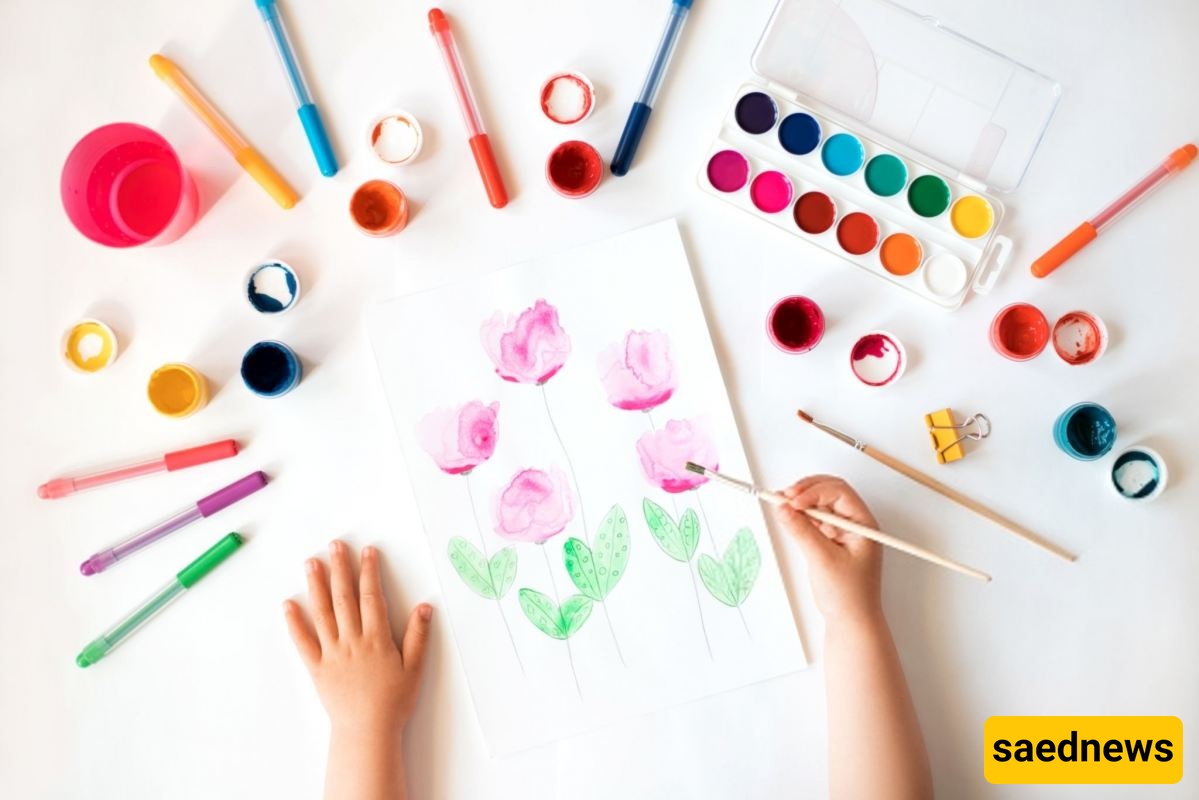
Flat brushes have straight, wide bristles and are among the most useful tools for gouache painting. They are ideal for covering large areas, creating bold strokes, and painting wide lines. Their straight bristles allow you to spread paint evenly across the surface and create smooth areas with minimal brush marks.
Main uses:
Covering large backgrounds
Architectural compositions
Creating blended effects
Painting geometric surfaces
Round brushes have a pointed, tapered tip and are essential for precise details and fine lines. Their shape allows you to vary line thickness by applying more or less pressure. For small-scale gouache paintings, detailed work, and delicate lines, round brushes are an excellent choice.
Main uses:
Fine details
Thin lines and outlines
Facial features and portraits
Creating delicate textures
Filbert brushes combine characteristics of both flat and round brushes. Their bristles have a rounded, oval shape, making them highly versatile. The gently curved tip allows for smooth transitions and soft blending, which can be particularly useful when working with gouache.
Main uses:
Blending and softening colors
Painting petals and leaves
Creating soft highlights and shadows
Landscape painting
Also known as almond-shaped brushes, cat's tongue brushes are a specialized type of filbert brush with a more rounded tip. Their distinctive shape makes them useful for creating a variety of effects and blending colors.
They are particularly effective for natural textures and for painting skin and fabric.
Fan brushes have widely spread bristles and are useful for creating distinctive textures and effects in gouache painting. They are often used to depict the texture of trees, leaves, clouds, and other natural surfaces. A gentle, rotating movement across the surface can produce attractive and natural-looking textures.
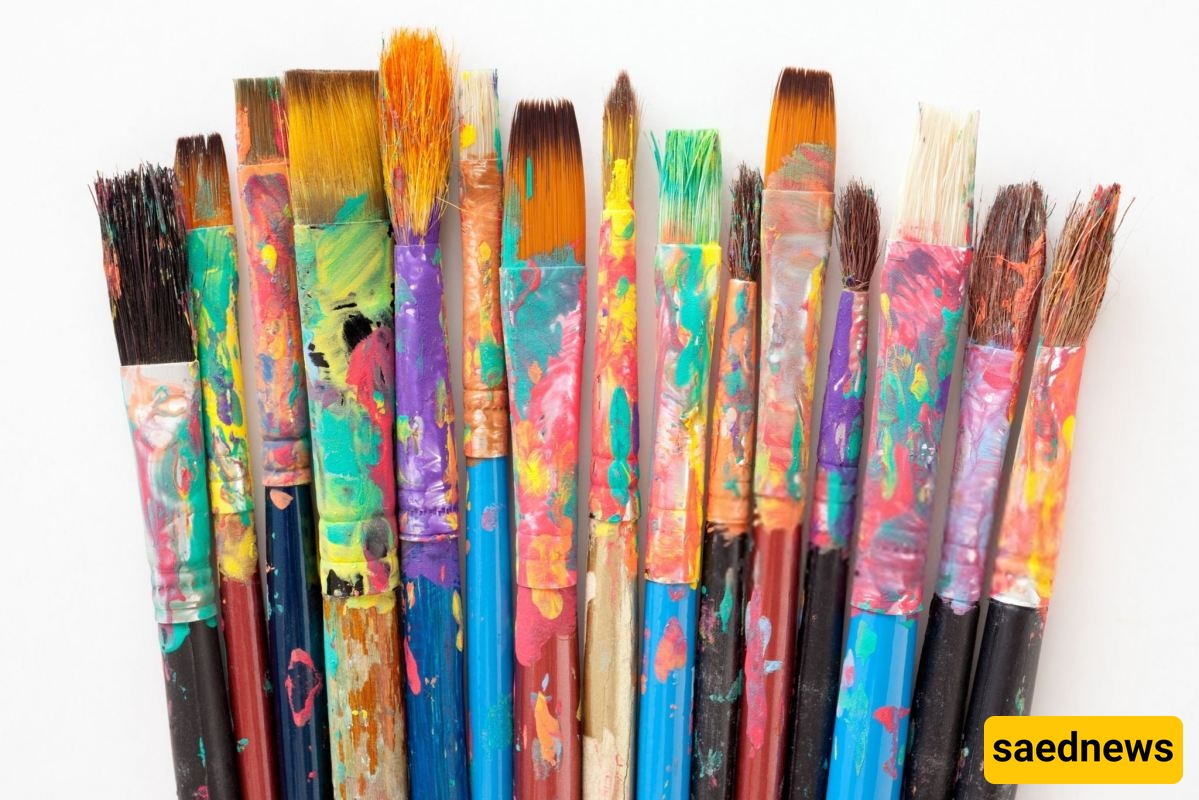
One of the most important decisions when choosing a gouache brush is whether to use natural or synthetic bristles. Each option has its own advantages and disadvantages.
Natural brushes made from materials such as squirrel, goat, horse, or sable hair have a high capacity for absorbing water. This allows them to hold paint effectively and distribute it smoothly.
Advantages:
Excellent paint absorption and distribution
Soft and delicate feel
Good shape retention and spring
Disadvantages:
Higher price
Require more careful maintenance
Can be more vulnerable to certain paint chemicals
Synthetic bristles are made from polymers such as nylon, polyester, and Taklon. Modern synthetic brushes have become so advanced that, in many situations, they can provide an excellent alternative to natural hair.
Advantages:
More affordable
Highly resistant to wear
Easier to clean
Suitable for paints with different pH levels
Disadvantages:
Lower paint absorption compared with natural hair
Generally hold less paint
For gouache painting, many artists recommend using a combination of both types. Synthetic brushes are often better suited to thicker layers of paint and covering large areas, while natural-hair brushes can be useful for delicate details and precise work.
However, because of gouache's distinctive consistency and the need for precise control, high-quality synthetic brushes are often a practical choice for beginners.
The ideal brush size depends on the type of work you are doing and the scale of your painting. For gouache, it is useful to have a selection of different sizes.
These are suitable for extremely fine details, delicate lines, and facial features. They can be useful for painting eyes, hair, and small textures.
These are suitable for general painting and medium-sized details such as petals, leaves, and various shapes. These sizes are among the most versatile for gouache painting.
Large brushes are designed for covering broad areas, painting backgrounds, and creating larger, more expressive strokes. They are particularly useful at the beginning of a painting when establishing the background.
Winsor & Newton: One of the world's long-established and well-known art-material brands
Daler-Rowney: Known for quality products and advanced synthetic-bristle technology
Raphael: French-made brushes known for their craftsmanship and quality
Easlon: A Japanese brand associated with advanced synthetic-bristle manufacturing
Penel: An affordable option with acceptable quality for beginners
Zebra: Durable synthetic bristles suitable for regular practice
Kimberly: A practical option for practice and learning
The bristles should bend when pressure is applied but quickly return to their original shape. Bristles that are excessively stiff or dry can make paint control more difficult.
An ideal brush should retain a clear shape and a well-defined tip when dry. The tip should be even and free from unwanted bends or irregularities.
The handle should be lightweight, comfortable, and easy to grip. Good-quality wood or plastic handles are generally more comfortable than lightweight metal handles.
The metal ferrule connecting the bristles to the handle should be secure and free of movement. A loose ferrule can eventually cause bristles to fall out.
Start with a few brushes in different sizes and expand your collection gradually according to your painting style and experience.
After each use, wash your brushes with lukewarm water and mild soap. Gently remove the paint from the bristles and never allow gouache to dry on them. For deeper cleaning, you can use a brush-cleaning solution specifically designed for artists' brushes.
After washing, remove excess water with a soft cloth and allow the brushes to dry horizontally or with the tip pointing downward. Avoid storing brushes vertically with the bristles facing upward, as remaining water can seep into the handle and weaken the adhesive holding the bristles in place.
Keep your brushes in a suitable case or container to protect the bristles from contact with hard objects. For long-term storage, moisture-absorbing materials such as silica gel can help protect them from excessive humidity.
If your brush bristles have lost their original shape, you can use a brush-shaping product to restore them. These specialized products help hold the bristles in their proper position while the brush is stored.
Unlike watercolor, gouache should not be excessively diluted. Using a brush that is too wet without removing the excess water can cause the paint to spread unevenly and lose some of its characteristic matte appearance.
Excessive pressure can permanently bend the bristles and cause the brush to lose its original shape. With practice and confidence in your brush, use only the amount of pressure necessary to create the desired strokes.
Dip the brush gently into the paint and mix carefully. Forcing the brush into thick paint can damage the bristles and create uneven clumps of color.
To prevent colors from becoming contaminated, thoroughly clean the brush before picking up a new color. Otherwise, your colors may become muddy and lose their purity.
Choosing the right gouache brush involves understanding your artistic needs, knowing the different types of brushes available, and paying attention to construction quality. Although expensive professional brushes can offer superior performance, good-quality mid-range brushes can also be an excellent choice when you are starting out and developing your skills.
Remember that the most important factors behind a successful artwork are the artist's skill and creativity. A brush is simply the tool used to transfer those skills onto the surface. Nevertheless, using the right brush can make the creative process more enjoyable and help produce a more polished result.
For beginners, a useful starter collection could include:
One size 8 or 10 flat brush
One size 2 or 3 round brush
One size 6 round brush
One size 6 filbert brush
This combination provides a solid range of tools for the basic requirements of gouache painting.
Finally, remember that proper brush care can significantly extend the useful life of your brushes and allow your investment to serve you for years. With thoughtful selection, proper use, and regular maintenance, your brushes can become reliable tools for creating lasting works of art.