SAEDNEW: Emotional intelligence is the ability to recognize, understand, and manage emotions in ourselves and others. In this article, we explore the scientific foundations of this concept, its key components, and practical ways to strengthen emotional intelligence.
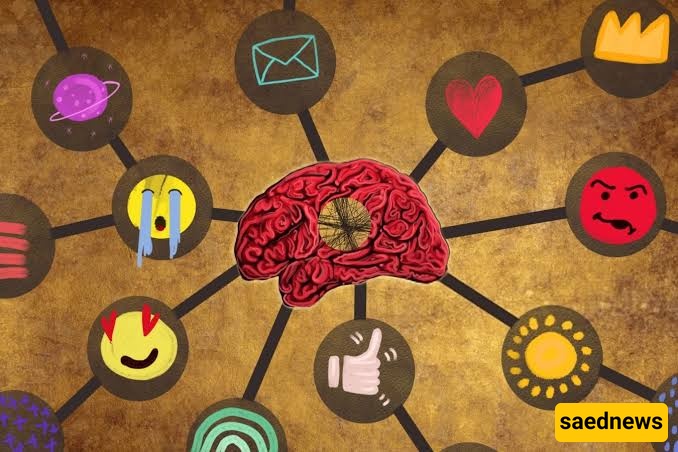
According to Saednews, In a world where technological advancement and access to information are changing at an unprecedented pace, people are constantly confronted with complex psychological and social challenges.
You may have encountered highly intelligent people with exceptionally high IQs who struggle to achieve success in their personal or professional lives. At the same time, individuals with average cognitive abilities sometimes accomplish remarkable things.
The key to understanding this difference lies in a fundamental factor that psychologists and neuroscientists have studied for decades: Emotional Intelligence (EI or EQ).
Simply put, emotional intelligence is the ability to recognize, understand, and manage emotions in yourself and others. It is not merely about being “kind” or “controlling your anger.” Rather, it is a complex set of abilities that determines how effectively you use emotional information to solve problems, make decisions, and communicate with others.
In this comprehensive guide, rather than repeating general definitions, we will explore emotional intelligence in greater depth. We will examine its relationship with mental well-being, organizational performance, and the biology of the brain, while focusing on established scientific perspectives.
By the end, you will have a practical framework for understanding, assessing, and developing your emotional intelligence.
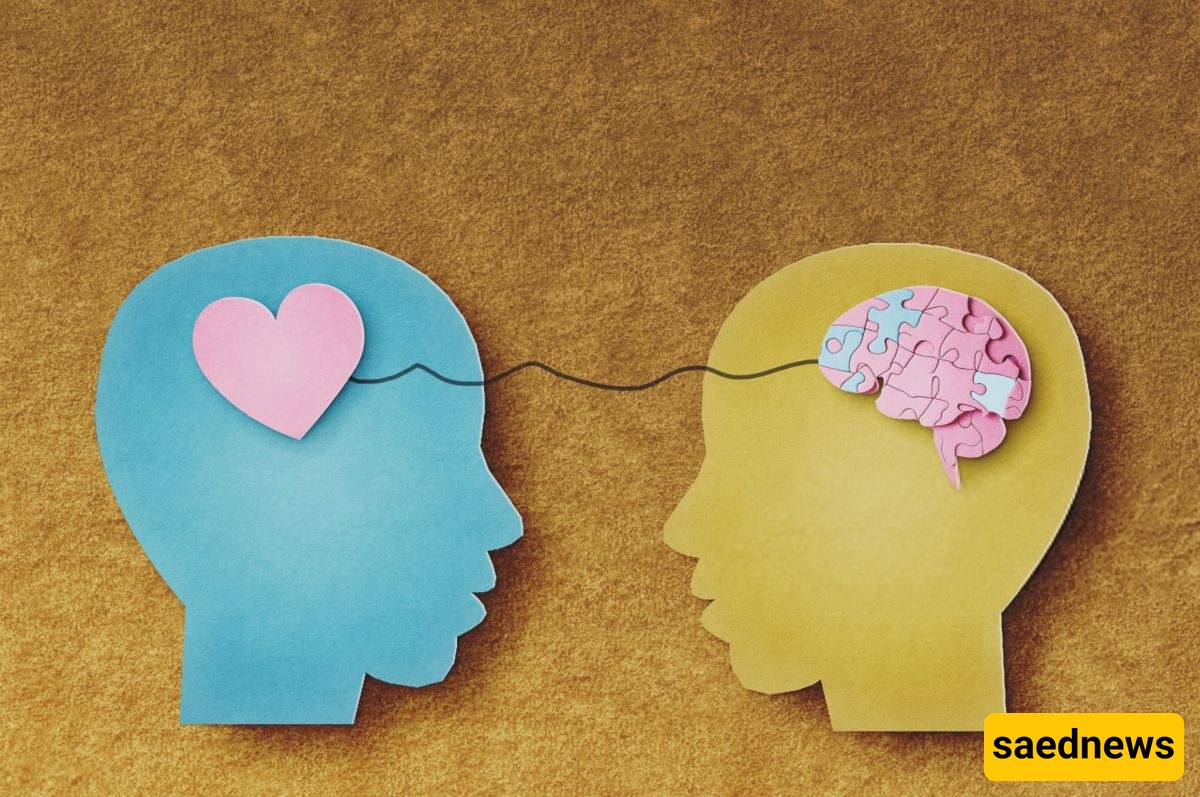
To understand emotional intelligence more deeply, we need to go back to the 1990s and the pioneering work of Peter Salovey and John Mayer at Yale University. They were among the first researchers to formally introduce emotional intelligence as a branch of social intelligence.
Their classic definition describes emotional intelligence as the ability to perceive and evaluate emotions, use emotions to facilitate thought, understand and analyze emotional information, and ultimately regulate emotions in ways that promote intellectual and emotional growth.
However, the concept became widely known in management and business largely through the work of Daniel Goleman, an American psychologist and author.
In his bestselling 1995 book Emotional Intelligence, Goleman popularized the idea that traditional measures of intelligence do not fully explain why some people succeed while others with similar cognitive abilities struggle. His work shifted attention toward emotional and interpersonal capabilities as important contributors to achievement.
This perspective helped encourage organizations, including many large corporations, to consider emotional competencies when developing employees and leaders.
It is also important to distinguish emotional intelligence from personality. Personality can be thought of as a relatively stable pattern of traits shaped by both biological and environmental factors. Emotional intelligence, by contrast, involves skills and abilities that can be developed through learning, practice, feedback, and experience.
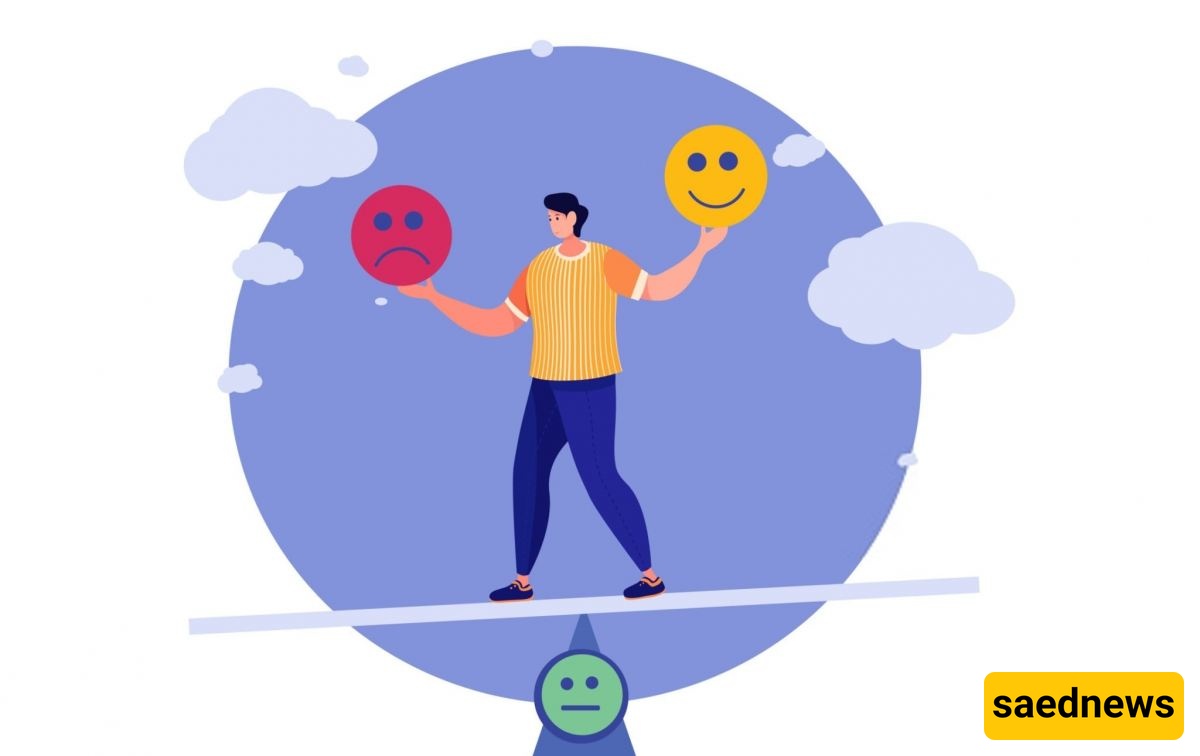
To avoid vague definitions, it is useful to examine the Mayer-Salovey ability model, one of the most influential scientific frameworks for studying emotional intelligence. It consists of four interconnected branches, progressing from basic emotional perception to more sophisticated regulation:
This is the foundational level of emotional intelligence: the ability to recognize emotions through facial expressions, tone of voice, body language, and other signals.
People who are strong in this area can recognize subtle differences between emotional states such as frustration, anxiety, guilt, disappointment, and irritation. They may also notice changes in their own emotional state or that of a colleague before a situation escalates into a larger conflict.
At this level, emotions are treated as sources of information that can support thinking and decision-making.
For example, a reasonable amount of concern before an important presentation may increase your preparation and concentration. This demonstrates that emotion does not necessarily oppose rational thought. When properly understood, it can provide useful information and even support creativity and problem-solving.

This component involves understanding how emotions develop, interact, and change over time.
Someone with strong emotional understanding may recognize that initial anger can eventually develop into shame, resentment, jealousy, or disappointment. Understanding these emotional transitions can make it easier to anticipate how people may respond in future situations.
The highest level involves managing emotions without simply suppressing them.
Effective emotional regulation means remaining open to positive emotions, reducing the intensity of unhelpful emotional states, and choosing an appropriate response rather than reacting automatically.
This ability is closely connected to psychological flexibility and can play an important role in coping with stress and preventing emotional exhaustion.
Emotional intelligence has attracted considerable attention because emotional abilities can influence how people function in relationships, workplaces, and stressful situations.
Research in psychology has examined associations between emotional intelligence and outcomes such as interpersonal behavior, job performance, leadership, psychological well-being, and workplace relationships.
The World Economic Forum's Future of Jobs research has also highlighted analytical thinking and human-centered capabilities among important workplace skills. As automation and artificial intelligence continue to transform jobs, abilities involving communication, collaboration, empathy, adaptability, and emotional awareness are becoming increasingly valuable.
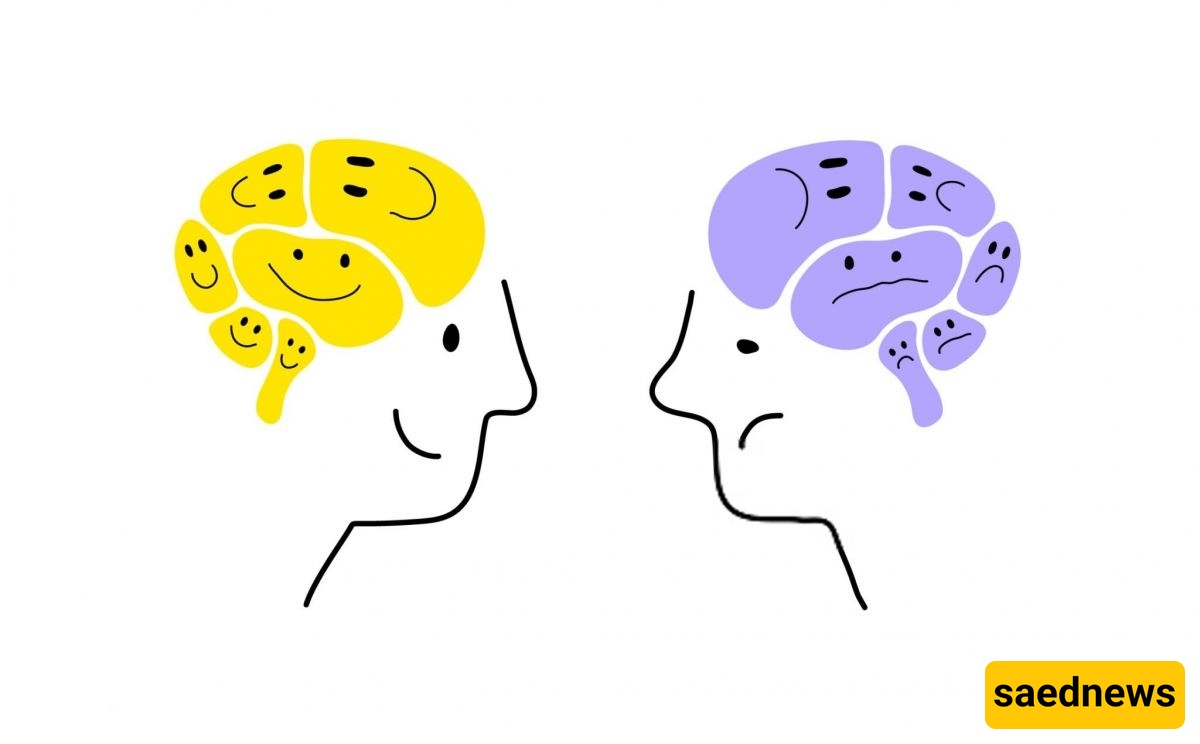
Emotional intelligence can be particularly valuable in professional environments because work frequently involves uncertainty, conflict, deadlines, teamwork, leadership, and customer interaction.
Employees with stronger emotional skills may be better equipped to tolerate ambiguity, remain composed during difficult situations, and avoid impulsive reactions that can damage workplace relationships.
These abilities can also improve communication with customers and colleagues. Instead of responding defensively to criticism or conflict, emotionally intelligent individuals are more likely to identify the underlying concern and turn confrontation into constructive dialogue.
For managers, emotional intelligence can be especially important. Leaders who understand their own emotions and recognize the emotional needs of their teams are often better positioned to build trust, handle disagreements, provide meaningful feedback, and maintain employee engagement.
While the Mayer-Salovey model is widely used in scientific research, Daniel Goleman's framework is particularly accessible for understanding emotional intelligence in everyday life.
Self-awareness is the foundation of emotional intelligence.
It means accurately recognizing what you are feeling while the emotion is occurring. This does not mean suppressing emotions or constantly analyzing yourself. Instead, it means being able to acknowledge your internal state.
For example, imagine that your manager makes a harsh criticism during a team meeting. A self-aware person may recognize internally:
“I am angry right now.”
Simply identifying the emotion creates a small psychological distance between the feeling and the response. That pause can make it easier to choose a constructive reaction rather than responding impulsively.
Self-awareness also involves recognizing personal strengths, limitations, triggers, and situations that are particularly stressful.
Self-management is the ability to regulate and direct your emotional responses during challenging situations.
It does not mean eliminating emotions. Instead, it means choosing how to respond to them.
For example, when an angry customer makes a complaint, an employee with strong self-management is less likely to immediately become defensive. Instead, they may pause, understand the customer's perspective, and calmly work toward a solution.
This ability can be strengthened through deliberate practice, reflection, and strategies that create space between emotional triggers and behavioral responses.
In Goleman's framework, motivation involves using emotional energy to pursue meaningful long-term goals.
People with strong emotional intelligence often demonstrate a degree of intrinsic motivation. Rather than depending entirely on external rewards, they can find meaning and satisfaction in the work itself.
They are also more likely to treat failure as feedback rather than as a final judgment of their abilities. This mindset allows them to learn from setbacks and continue moving toward their goals.
Empathy involves more than simply knowing what another person feels.
It means listening carefully and attempting to understand the emotions, concerns, motivations, and needs behind another person's words.
In the workplace, empathy allows employees and leaders to recognize the concerns of colleagues, customers, and managers without immediately judging them.
Empathy can also strengthen trust. When people feel genuinely heard and understood, they are generally more willing to communicate openly and cooperate with others.
The final component involves building and managing effective interpersonal relationships.
Social skills include clear communication, conflict management, teamwork, persuasion, collaboration, and leadership.
Contrary to the common belief that social intelligence simply means being talkative or charismatic, effective social interaction depends heavily on self-awareness and empathy. Communication becomes more effective when you understand what you want to communicate while also recognizing what the other person needs from the conversation.
Strong social skills can contribute to more cohesive teams, healthier workplace relationships, and more effective leadership.
Now that we have examined the theoretical foundations, an important question remains:
How can emotional intelligence be measured and developed?
Unlike many people assume, emotional abilities can be developed throughout life. The brain's capacity for learning and adaptation means that emotional skills can improve through repeated practice, reflection, and feedback.
Researchers use validated instruments such as the Mayer-Salovey-Caruso Emotional Intelligence Test (MSCEIT) and EQ-i 2.0 to assess different aspects of emotional functioning.
For everyday development, however, you can begin with several simple exercises.
At the end of each day, write down three situations in which you experienced a noticeable emotion.
Record:
What happened?
What emotion did you experience?
How intense was it?
How did you respond?
What might you do differently next time?
This practice can gradually improve emotional awareness and help you identify recurring triggers.
Before responding to a stressful message, argument, or criticism, pause for a few seconds.
Ask yourself:
“What is my goal in this conversation?”
This simple question can interrupt automatic reactions and create space for a more deliberate response.
Before judging another person's behavior, deliberately consider several plausible explanations for why they acted that way.
This does not mean excusing inappropriate behavior. It means separating understanding from judgment.
For example, if a colleague responds abruptly, consider whether they may be under unusual pressure, misunderstood the situation, or interpreted your message differently than you intended.
During conversations, avoid preparing your response while the other person is still speaking.
Instead:
Pay attention to their words.
Notice their tone and emotional cues.
Ask clarifying questions.
Summarize what you understood.
Respond to both the content and the underlying concern.
This approach can significantly improve the quality of interpersonal communication.
Emotional intelligence is not simply about being nice, agreeable, or calm. It is a set of emotional and cognitive abilities that influence how effectively we understand ourselves, interact with others, make decisions, and respond to pressure.
In modern life, where rapid technological change, complex relationships, uncertainty, and continuous stress are increasingly common, emotional intelligence can be a valuable psychological resource.

From an organizational perspective, investing in emotional skills can support healthier workplace relationships, stronger leadership, better teamwork, and more constructive conflict resolution.
From an individual perspective, developing emotional intelligence can improve self-awareness, communication, relationships, resilience, and the ability to pursue meaningful goals.
Ultimately, your IQ is only one part of the picture. Emotional intelligence represents another important dimension of human capability—one that can be strengthened through small, deliberate choices every day.
The first step is simple: notice what you feel, understand why you feel it, and choose how you want to respond.