SAEDNEWS: Some older adults gradually develop a stronger preference for spending time alone. Changes in energy levels, personal routines, life experiences, and the desire for peace and independence can all influence this tendency. Understanding these reasons can help families respect their needs while maintaining meaningful social connections.

According to SAEDNEWS, aging can bring changes in physical energy and daily stamina. Social gatherings, long conversations, or frequent outings may feel more tiring than they once did. As a result, some older adults may prefer quiet environments where they can rest and manage their energy comfortably.
Many older people begin to appreciate calm and predictable routines. After years of work, family responsibilities, and daily commitments, having more personal time can feel relaxing. Spending time alone may therefore be a conscious choice rather than a sign of unhappiness.
Personal experiences can shape how someone approaches relationships later in life. Some older adults may become more selective about the people they spend time with and prefer a small circle of trusted family members or friends. They may value meaningful conversations more than frequent social interaction.
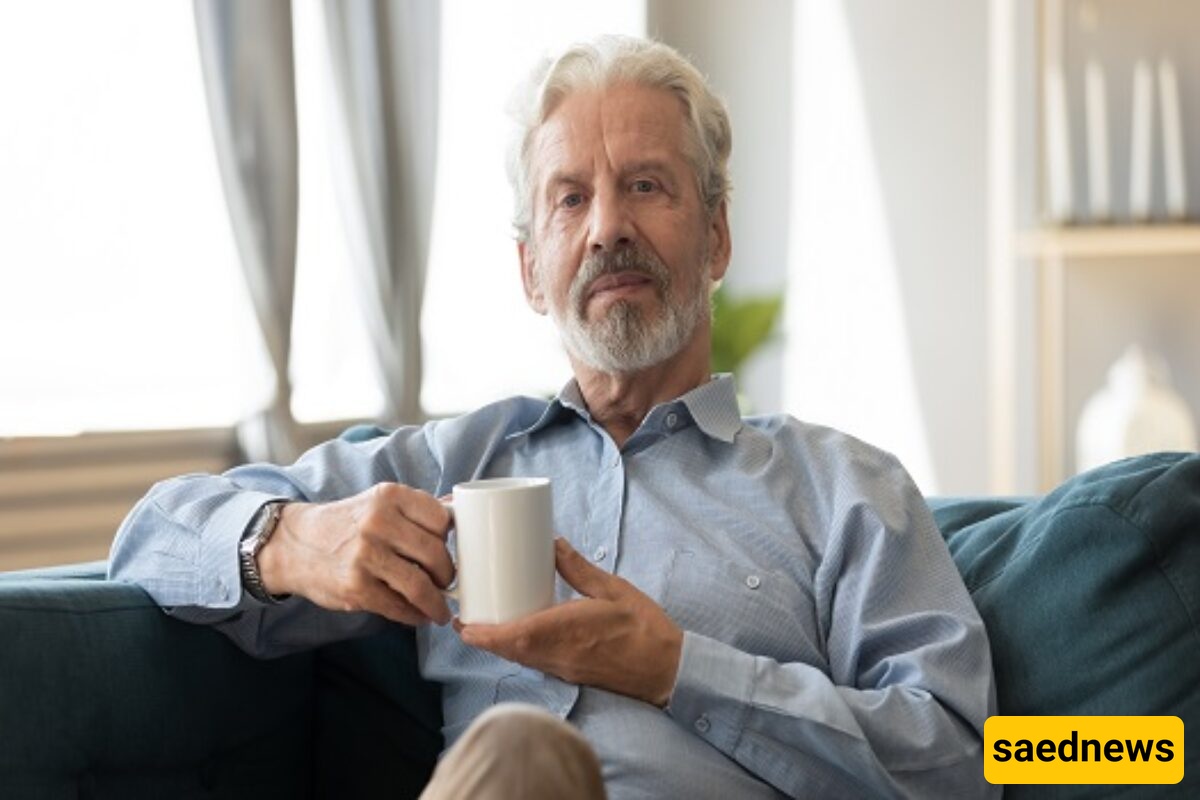
Maintaining a sense of independence can also encourage older adults to spend more time alone. Choosing when to eat, rest, read, walk, or complete household activities can give them a feeling of control over their daily lives. Respecting these choices can support their sense of dignity.
A preference for solitude does not always mean that an older person wants to be isolated. Families can respect their need for personal space while offering gentle opportunities for connection, such as shared meals, short visits, phone calls, or simple activities together. The goal is to create a balance between independence and supportive relationships.