SAEDNEWS: If a variegated plant is placed somewhere it does not receive sufficient light, it will gradually lose its variegation and eventually become completely green.
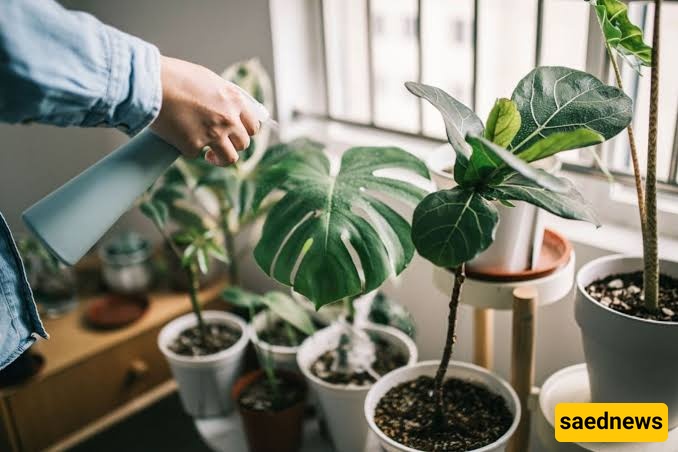
According to Saednews, Variegated plants are often more attractive and popular than their non-variegated counterparts, which is why they are usually sold at higher prices. However, many people notice that after purchasing and bringing them home, the two-toned areas of the leaves gradually turn green. In other words, the plant begins to lose its variegation. What causes this problem, and how can it be corrected? Here are two important points to consider.
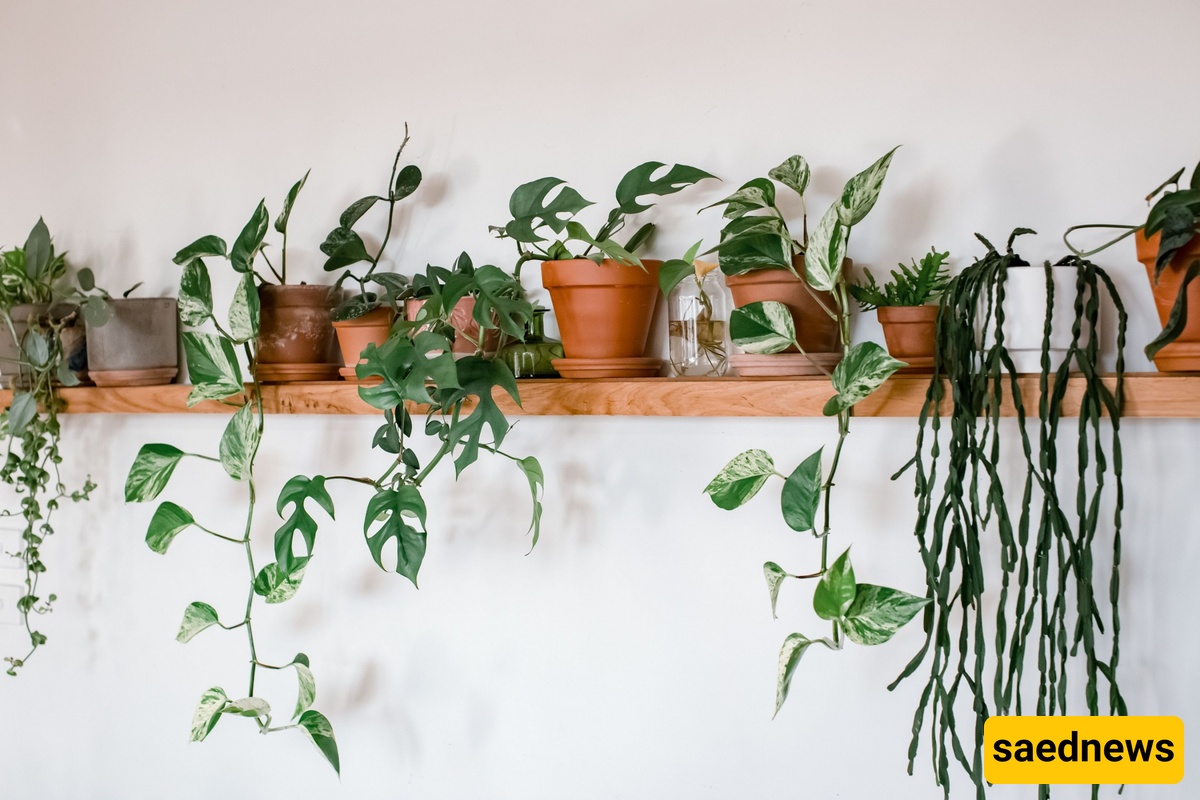
Plants with leaves that display two colors—and, in some cases, three colors—are referred to as variegated plants. Examples include Golden Hahnii snake plants, variegated pothos, certain geranium varieties, ficus, schefflera, peperomia, and many others.
The loss of variegation in houseplants is generally associated with two main factors:
Insufficient light
Excessive use of high-nitrogen fertilizer
Let's look at each factor in more detail.
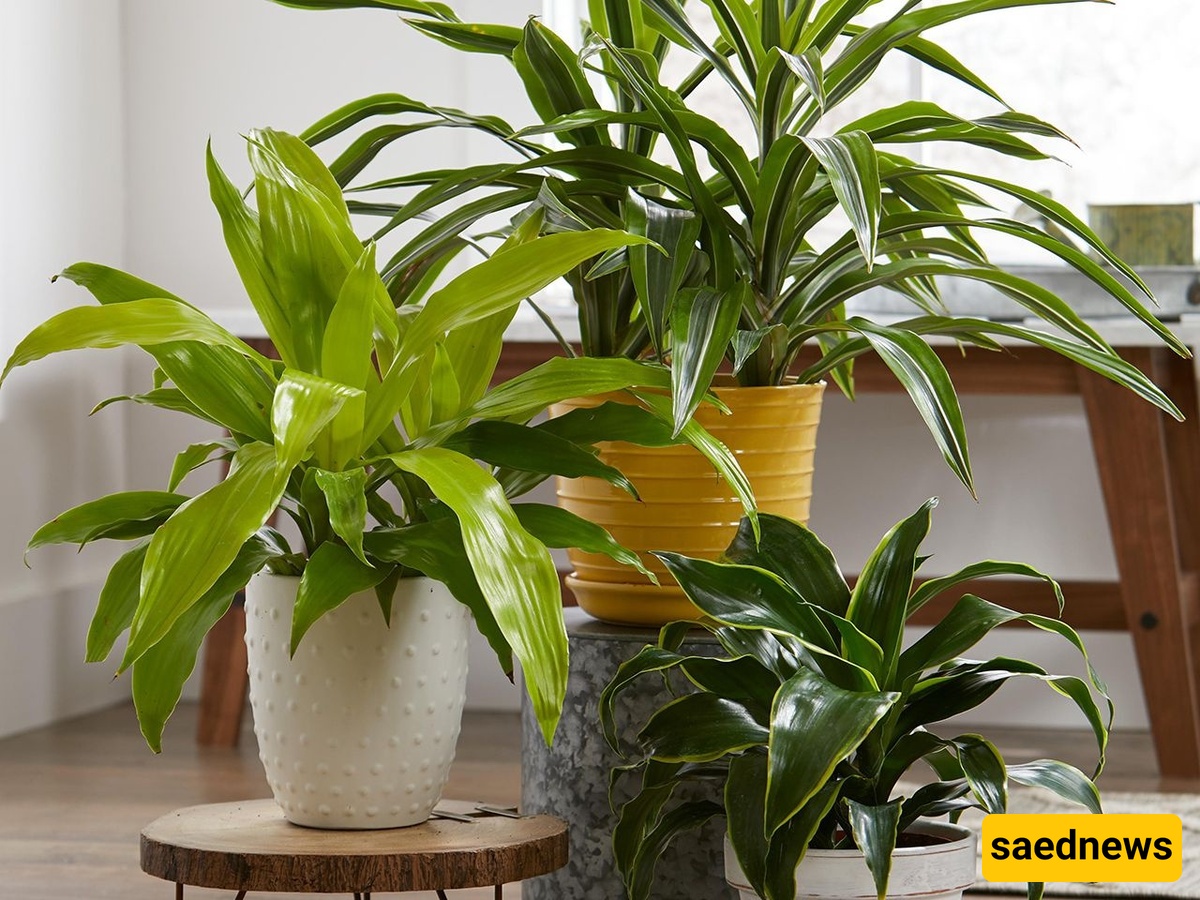
A general rule for variegated plants is that they usually require more light than their fully green counterparts. Therefore, before buying a variegated plant, consider the lighting conditions in your home or workplace and choose a plant that suits those conditions.
For example, pothos can tolerate relatively low-light conditions. However, if you want its characteristic white variegation to remain visible, it needs several hours of bright, indirect light each day.
If you have placed your variegated plant on a balcony but it is still losing its variegation, this may indicate that the plant is spending too much time in shade. Check its actual light exposure throughout the day. If the lighting is adequate, the next factor to consider is fertilizer.
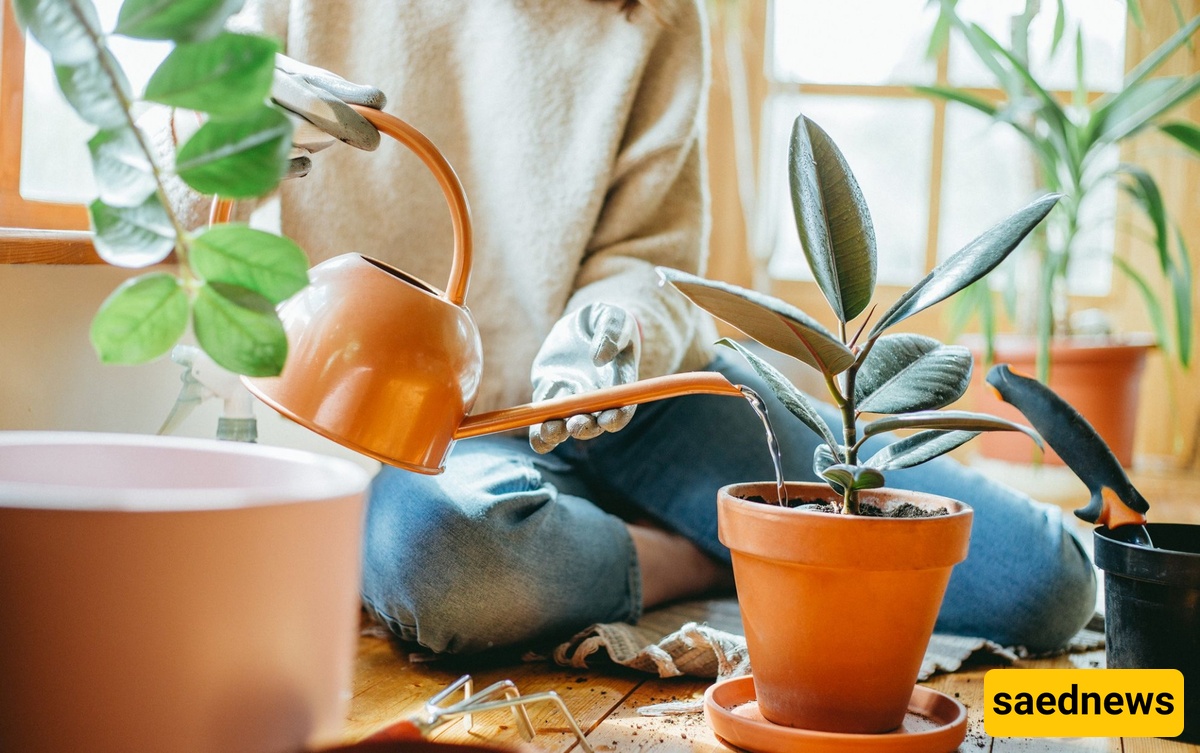
You should not necessarily use the same fertilizer regimen for variegated plants as you would for ordinary green plants.
Excessive nitrogen can encourage vigorous production of green tissue and may contribute to the gradual loss of visible variegation in some plants. Therefore, avoid excessive use of high-nitrogen fertilizers. If you use balanced fertilizers such as 20-20-20, consider applying them conservatively and according to the specific needs of the plant.
To help a variegated plant maintain or regain stronger variegation:
Move it to a location with bright, filtered or indirect light, providing roughly 6–8 hours of suitable light per day depending on the species.
If natural light is insufficient, consider using a grow light designed for indoor plants.
Avoid excessive applications of high-nitrogen fertilizer.
Use a balanced fertilizer appropriate for the particular plant rather than relying heavily on high-phosphorus or high-potassium products.
It is also important to understand that lost variegation cannot always be restored. In some plants, variegation is genetically unstable, and completely green growth may remain green permanently. Pruning highly reverted green shoots can sometimes encourage more variegated growth, depending on the species.
Before purchasing a variegated plant, always evaluate the lighting and growing conditions available in your home and choose a variety that can thrive there. During the growing season, fertilize moderately and follow the plant's specific nutritional requirements. Most importantly, provide adequate light without exposing the plant to harsh, direct sunlight unless the species specifically tolerates it.
In most cases, inadequate light and unsuitable or excessive fertilization are the main factors to examine when a variegated plant begins losing its distinctive coloration.