SAEDNEWS: Anemia in infants, much like in adults, refers to having a lower-than-normal number of red blood cells. In this article, we’ll explore the main causes, common symptoms, and effective ways to help prevent iron-deficiency anemia in infants.
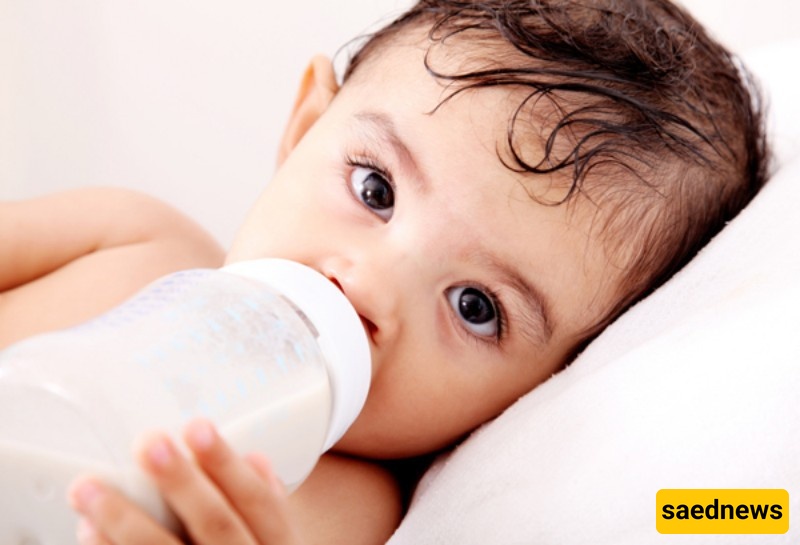
According to Saednews, Anemia is a condition in which an infant’s body does not produce enough red blood cells (RBCs), resulting in reduced oxygen circulation throughout the body. As a result, infants with anemia may experience impaired growth and may have difficulty reaching developmental milestones because their cells do not receive sufficient oxygen.
Genetic disorders such as sickle cell disease can cause red blood cells to break down prematurely. This reduces the number of healthy RBCs available to transport oxygen and can lead to hemolytic anemia.
Blood loss caused by injuries or internal bleeding can reduce the number of red blood cells in an infant’s body. Frequent nosebleeds or inflammatory bowel disease accompanied by bloody diarrhea may also contribute to blood loss and anemia.
In aplastic anemia, the infant’s bone marrow does not produce enough red blood cells to meet the body’s oxygen requirements. This condition may result from certain medications, viral or bacterial infections, or certain cancers affecting the blood or bones. Iron deficiency is also an important cause of anemia in children.
There are several types of anemia in infants. Some are caused by genetic factors, while others develop because of nutritional deficiencies. One of the most common forms is iron-deficiency anemia.
Iron-deficiency anemia develops when a child does not receive enough iron through their diet. Iron is essential for producing hemoglobin, the protein in red blood cells responsible for carrying oxygen from the lungs to the rest of the body.
When the body does not have enough iron, hemoglobin production decreases, which can interfere with the formation of healthy red blood cells and eventually result in anemia.
During the first six months, breast milk generally provides an infant with the iron they need. After six months, however, iron-rich solid foods should be introduced because breast milk alone may no longer meet the infant’s nutritional requirements.
Infants with poor eating habits, those who consume few iron-rich foods, or those who continue to rely exclusively on breast milk may have a higher risk of iron-deficiency anemia.
Giving cow’s milk to infants before 12 months of age may increase the risk of iron deficiency. Cow’s milk contains relatively little iron and can interfere with the absorption of iron from other foods.
Premature infants are at greater risk of iron-deficiency anemia because they may not have accumulated sufficient iron stores before birth. Infants born with very low birth weights are particularly vulnerable.
Infants born to mothers who had diabetes during pregnancy may have a higher risk of low iron stores. Maternal diabetes can affect the transfer of iron to the fetus during pregnancy.
Maternal anemia during the third trimester may contribute to low birth weight and inadequate iron stores in the newborn.
Recognizing iron-deficiency anemia early is important because prolonged iron deficiency can interfere with healthy growth and development. Common signs include:
An infant with iron-deficiency anemia may have unusually pale skin, particularly around the eyelids and hands.
Persistent tiredness, excessive sleepiness, reduced activity, and a lack of interest in normal activities can occur.
Infants may become unusually irritable or difficult to soothe. Older infants may also experience breathing difficulties.
Children with iron-deficiency anemia may eat less than usual or show little interest in food.
Some infants may experience shortness of breath or difficulty breathing.
The heart may beat faster as the body attempts to compensate for reduced oxygen delivery.
In some cases, infants may develop swelling in areas such as the hands and feet.
Pica refers to a strong desire to eat non-food substances such as dirt, dust, or chalk. It can be associated with nutritional deficiencies, particularly iron deficiency.
Because insufficient hemoglobin can reduce oxygen delivery to developing tissues, affected infants may experience slower growth in height, weight, or head circumference compared with other children of the same age.
If you notice these symptoms or suspect that your child may have anemia, consult a pediatrician for an accurate evaluation.
Iron-deficiency anemia can be identified through several medical tests.
A blood sample can be examined to determine the number, size, and characteristics of red blood cells. A low RBC count may indicate anemia.
A hematocrit test may also be performed to determine the proportion of blood made up of red blood cells. In some cases, a stool test may be used to check for microscopic blood loss.
Blood tests can measure hemoglobin, serum iron, and other iron-related markers. A ferritin test may also be performed because ferritin reflects the amount of iron stored in the body.
If testing confirms iron-deficiency anemia, the pediatrician can recommend an appropriate treatment plan.
Treatment focuses on restoring the body’s iron levels.
A pediatrician may prescribe an iron supplement based on the infant’s age, weight, and severity of anemia. Some supplements also contain vitamin C because vitamin C can improve iron absorption.
Depending on the product, iron may be given as a liquid or mixed with suitable foods. Treatment may continue for several months until iron stores return to an appropriate level.
Iron supplements should be given only according to a healthcare professional’s recommendations, since excessive iron can be harmful.
A pediatric nutrition specialist may recommend an iron-rich eating plan to replenish the infant’s iron stores. Once appropriate solid foods have been introduced, foods such as meat, beans, and iron-fortified cereals can help increase dietary iron intake.
With appropriate treatment, many infants begin to improve within several weeks, although completing the recommended treatment course is important.
If iron-deficiency anemia remains untreated, it can have significant effects on a child’s health and development.
Iron deficiency may interfere with normal development, causing a child to reach certain developmental milestones later than expected.
Iron is important for brain development and the normal function of muscles and other tissues. Chronic deficiency during infancy may therefore affect cognitive development, motor skills, behavior, and social functioning.
Iron contributes to the normal development and function of the immune system. Iron deficiency may weaken immune responses and potentially make children more susceptible to infections.
Because iron-deficiency anemia can affect a child’s development, prevention and early treatment are important.
Preventing iron deficiency largely depends on providing an age-appropriate diet and following medical advice regarding supplementation.
The amount of iron an infant needs changes with age. According to the figures provided in the source text:
Infants 1–6 months: approximately 0.27 mg of iron per day
Infants 7–12 months: approximately 11 mg per day
Infants should not receive excessive amounts of supplemental iron unless recommended by a healthcare professional.
Healthy full-term infants are generally born with iron stores that help meet their needs during the early months of life, while breast milk provides additional iron.
However, iron needs can differ depending on factors such as birth weight and health status. Some infants may require iron supplementation, so parents should discuss this with their pediatrician.
Formula-fed infants should generally receive iron-fortified infant formula when appropriate rather than relying on non-fortified alternatives.
After six months, iron-rich complementary foods become increasingly important.
Meat is an excellent source of heme iron, which is readily absorbed by the body. Meat can be combined with plant-based iron sources such as beans.
Iron-fortified cereals can also provide substantial amounts of iron and may be particularly useful for infants following vegetarian diets. Foods containing vitamin C can be served alongside plant-based iron sources to improve absorption of non-heme iron.
Premature infants may have lower iron stores and may require iron supplementation. The appropriate amount and duration should be determined by a pediatrician based on the infant’s birth weight, gestational age, feeding method, and overall health.
Iron is essential for healthy growth, brain development, oxygen transport, and immune function. Recognizing the signs of iron deficiency early and providing appropriate nutrition and medical care can help prevent complications and support healthy infant development.