SAEDNEWS: Cream’s high moisture and fat content make it an ideal environment for microbial growth. Recognizing the signs of spoiled cream can help prevent foodborne illness. When in doubt, throw it out.
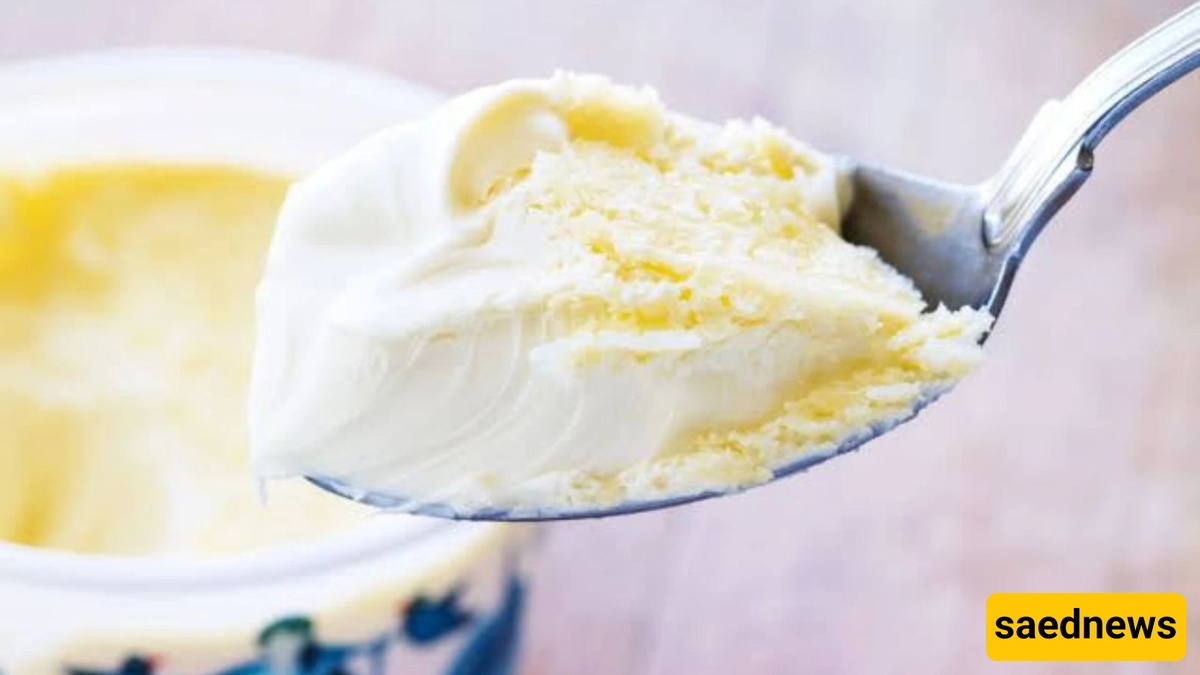
According to Saednews, Cream is a widely used dairy product in cooking, baking, confectionery, and breakfast dishes. However, because of its high moisture and fat content, it can provide a suitable environment for microbial growth. That is why knowing the signs of spoiled cream is so important. Consuming spoiled cream can lead to food poisoning, digestive problems, and reduced food quality.
In this article, we will explore the common signs of cream spoilage, how to distinguish natural changes from spoilage, the importance of expiration dates and storage conditions, and practical ways to prevent cream from going bad.
One of the earliest and most obvious signs that cream has gone bad is a change in smell. Fresh cream has a mild, pleasant dairy aroma. If you notice a sour, pungent, alcoholic, cheesy, yeasty, or fermented smell, the cream may have spoiled.
Unpleasant odors are usually caused by bacterial activity and the fermentation of lactose (milk sugar).
However, sour cream naturally has a slightly acidic smell. If its usual tangy aroma is accompanied by a rotten, moldy, or bitter smell, it should not be consumed.

Even if cream appears to have no unusual smell, a sour, bitter, soapy, or metallic taste may indicate spoilage.
However, tasting questionable cream is not recommended. It is safer to check its smell and texture and discard it if you have any doubts.
An intensely sour taste in cream that is not supposed to be sour is a sign of fermentation and possible spoilage.
Cream spoilage
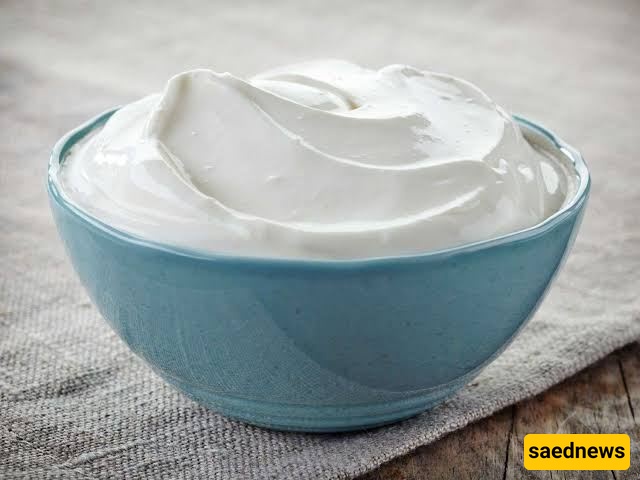
Fresh cream is usually white or light cream-colored, with a smooth and uniform appearance.
If its color changes to dark yellow, gray, green, or pink, microbial contamination or mold growth may be present. Colored spots on the surface can also indicate mold.
For soft dairy products, especially cream, the safest approach is to discard the entire container if mold is visible. Mold filaments may spread into areas that still appear normal.
Fresh cream has a smooth, soft, and consistent texture.
If the cream becomes curdled, lumpy, slimy, stringy, or grainy, the likelihood of spoilage increases.
Curdling usually occurs when acidity increases and milk proteins undergo structural changes. This is particularly concerning when accompanied by a sour smell, making it one of the most important signs of spoiled cream.
A small amount of liquid separating from cream, especially natural or high-fat cream, does not necessarily mean it has spoiled.
However, if excessive liquid separates, a yellowish or cloudy liquid appears, and the cream becomes unusually thin or uneven, it may be a sign of spoilage.
In whipped cream, this may appear as liquid leaking out or the cream becoming watery.
If these changes are accompanied by an unpleasant odor, discard the cream.
Visible mold, even in the form of a tiny spot, is one of the clearest signs of spoilage.
Mold can appear white, green, blue, or black. For soft dairy products, food safety recommendations advise discarding the entire container rather than simply removing the moldy portion.
This is because mold filaments may extend deeper into the product, even when they are not visible.
If the cream container looks swollen, has changed shape, or is leaking liquid, microorganisms may be producing gas inside the package.
Damaged packaging can also allow contaminants to enter the product.
Do not consume cream with swollen or damaged packaging, even if its smell and appearance seem normal.
Cream can naturally be thick, but an unusual increase in thickness, a gelatinous or stringy texture, or excessive thinning may indicate a problem.
In such cases, check the storage conditions and expiration date.
Changes in consistency accompanied by an unusual smell or taste are particularly concerning and may indicate spoilage.
The expiration date is an important guideline, but it is not the only factor that determines whether cream is safe to consume.
Cream stored at an inappropriate temperature may spoil before its expiration date. Similarly, cream that has remained in the refrigerator for too long after opening may become unsafe, even if its printed expiration date has not passed.
For proper storage, follow these recommendations:
Keep cream refrigerated: Store it at approximately 4°C (40°F) or below.
Choose the right refrigerator shelf: Keep cream on a middle shelf rather than in the refrigerator door, where temperatures fluctuate more frequently.
Seal the container properly: Always close the lid tightly after use.
Use clean utensils: Avoid introducing bacteria by using dirty spoons or other utensils.
Avoid cross-contamination: Never pour leftover cream from a serving dish or food preparation area back into its original container.
Knowing how to recognize spoiled cream can help you avoid food poisoning and protect your health.
Some of the most important warning signs include:
Strong or unpleasant odors.
Sour, bitter, or unusual tastes.
Changes in color.
Visible mold.
Curdled, slimy, or lumpy texture.
Excessive liquid separation accompanied by an unpleasant smell.
Swollen or leaking packaging.
Never ignore these warning signs. The golden rule is simple: When in doubt, throw it out.
Maintaining the cold chain, storing cream properly in the refrigerator, using clean utensils, and paying attention to expiration dates are the best ways to prevent cream from spoiling.