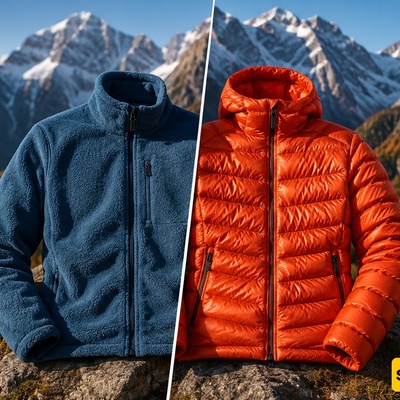
SAEDNEWS: To determine which down jacket is the warmest, several factors should be considered, including down fill weight, fill power, construction method, and type of down.
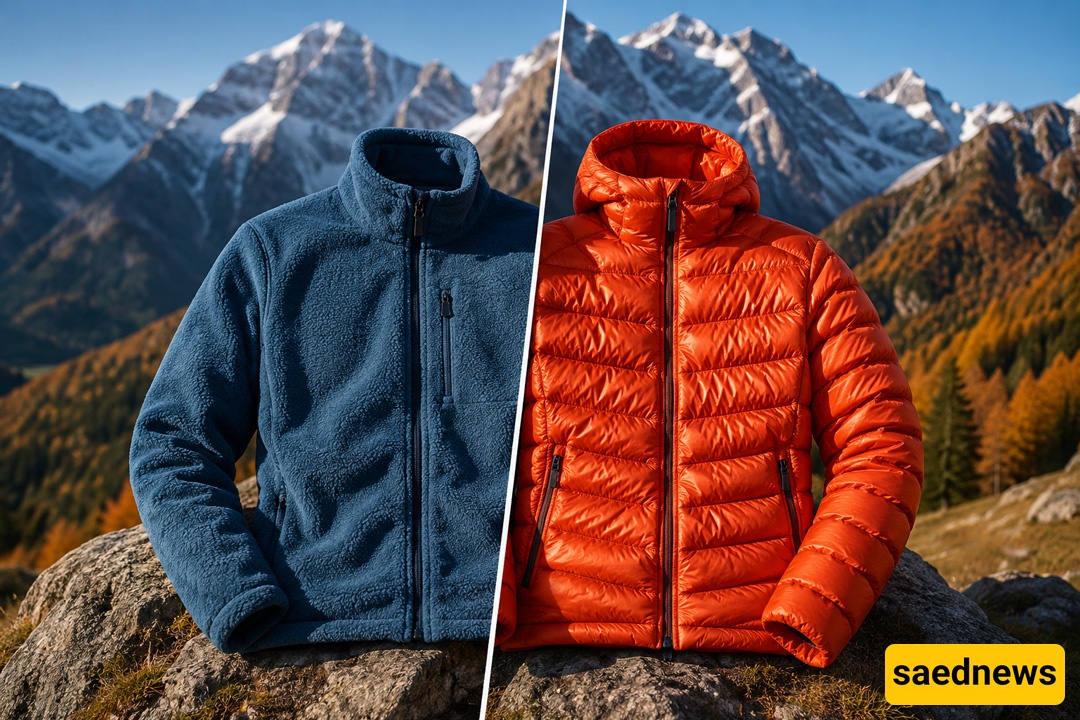
According to Saednews, As the cold season approaches, one of the most common questions among shoppers is: Which down jacket is the warmest? Unlike sleeping bags, insulated down jackets do not have standardized temperature ratings. As a result, many people assume that a jacket with more loft or a more well-known brand must be warmer. However, the truth is that a down jacket's warmth depends on several interconnected factors, including the amount of down insulation, fill power, construction method, down quality, and the conditions in which the jacket is worn.
Unlike sleeping bags, which are often assigned specific temperature ratings, down jackets do not have standardized warmth ratings. Jacket size can provide a rough indication of the amount of insulation used, but different insulation materials, weights, and constructions offer different levels of warmth.
The volume of down, measured in cubic inches, can also provide some indication of its insulating capacity. However, it is not an accurate standalone measure of a jacket's overall warmth.
Therefore, when comparing two down jackets, you should not rely solely on their puffy appearance or the fill power number on the label. Instead, consider the total down weight, construction method, and environmental conditions in which you plan to use the jacket.
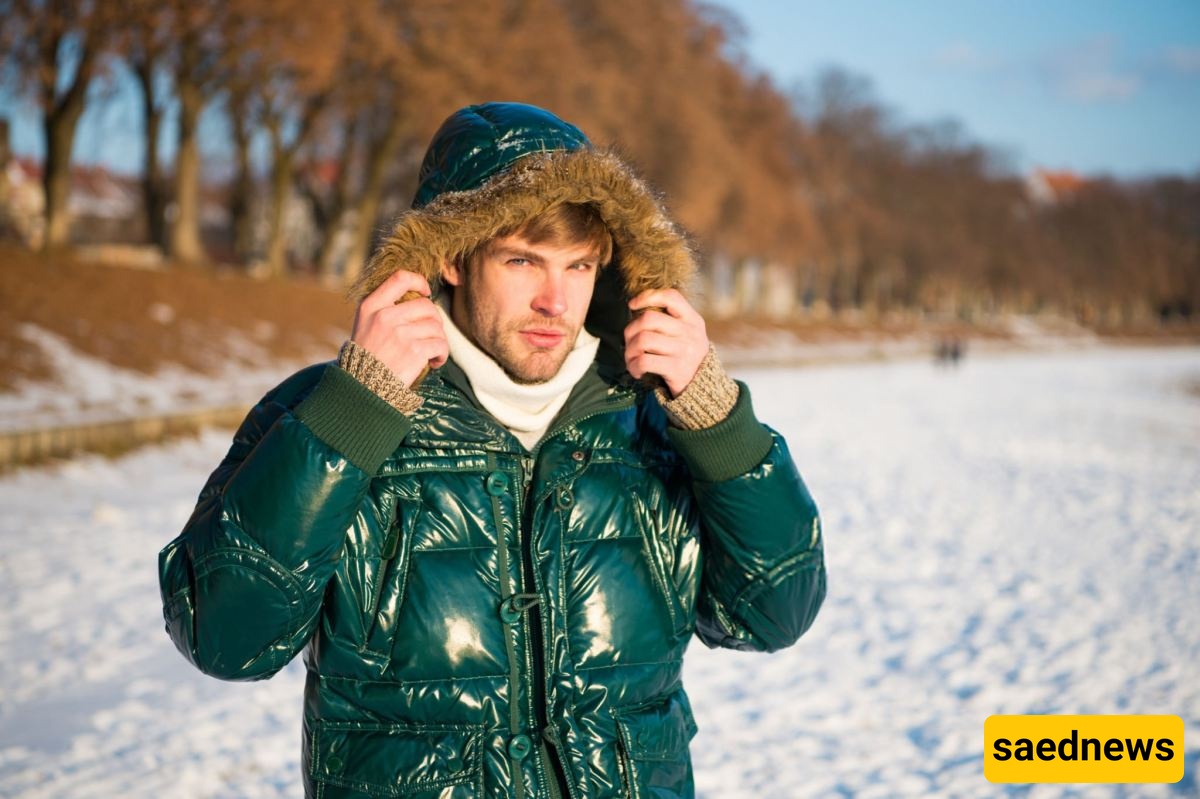
Generally, the greater the amount and volume of down insulation in a jacket, the more warmth it can provide. This means that two down jackets with different amounts of insulation can offer significantly different levels of warmth.
Jackets containing larger amounts of down are often more expensive because high-quality down insulation and greater fill quantities increase manufacturing costs.
Another important consideration is down quality. Lower-quality down may lose its insulating performance more quickly, particularly when exposed to moisture. Therefore, when choosing the warmest down jacket, pay attention to both the amount of down and its quality and fill power.
Water-resistant, or hydrophobic, down has become increasingly popular. This type of down is treated with a special coating that improves its performance, particularly in damp conditions, helping it retain more of its insulating properties.
Under normal circumstances, down jackets are not usually submerged in water. However, they may encounter moisture through snowfall, light rain, or high humidity.
Conventional down is sensitive to moisture. When it becomes wet, its loft decreases, significantly reducing its insulating ability.
For this reason, if you live in an area with high humidity or frequent snowfall, a jacket featuring hydrophobic down can be a warmer and more reliable option in damp conditions.
Traditional synthetic insulation materials also had limitations in terms of weight, versatility, and durability. However, modern insulation technologies offer improved warmth-to-weight ratios and better packability, making them easier to carry and store.
Choosing the right down jacket depends largely on the outdoor temperature and the conditions in which you intend to wear it. The amount of down inside the jacket plays an important role in determining its warmth and overall comfort.
Moderate autumn and winter temperatures: For days that are neither extremely cold nor particularly warm, a down jacket containing approximately 8–10 ounces of down is recommended. These jackets are lightweight and comfortable, making them suitable for walking, shopping, and everyday urban use.
Below-freezing temperatures: When temperatures drop below 0°C (32°F), a down jacket containing approximately 12–16 ounces of down can be a suitable option. These jackets provide greater insulation and are appropriate for extended outdoor activities, light hiking, and everyday use during cold winters.
Extremely cold winter conditions: For severe winter temperatures, jackets containing approximately 18–22 ounces of down offer substantial insulation. These heavier, high-loft jackets are designed to provide significant warmth, even in challenging outdoor conditions.
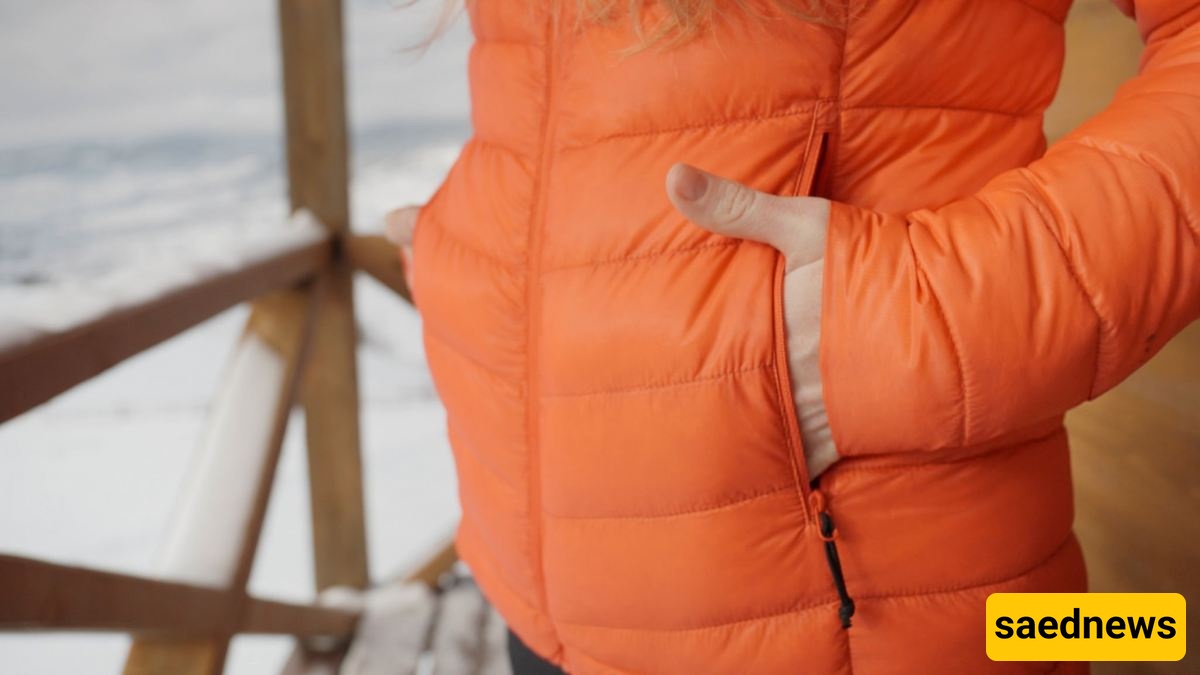
Lightweight down jackets typically contain around 8–10 ounces of down. They are easy to carry and provide sufficient warmth for autumn weather and moderately cold conditions.
They are ideal for everyday urban activities and can easily be packed into a bag or backpack.
With approximately 12–16 ounces of down, midweight jackets provide greater insulation and are suitable for below-freezing temperatures.
Both men's and women's midweight down jackets offer a practical balance between warmth, comfort, and weight.
Heavyweight down jackets typically contain around 18–22 ounces of down and are designed to provide substantial insulation in extremely cold winter conditions.
They are particularly suitable for demanding outdoor activities, including mountaineering and winter expeditions.
These jackets often feature a box-baffle construction, which helps minimize cold spots and allows the down to maintain its loft more effectively.
Hydrophobic down jackets are designed for damp, snowy, and humid environments.
Their specially treated down insulation helps retain loft and insulating performance in moist conditions, making them a practical choice for areas that experience frequent snowfall or light rain.