SAEDNEWS: Migraine is one of the common health problems affecting many people today. Since migraine headaches cannot always be effectively treated with medication, many individuals turn to herbal remedies as an alternative approach to managing migraine symptoms.

According to Sadenews, migraine is a condition whose symptoms can become distressing even shortly before an attack begins. Nearly three-quarters of people who suffer from headaches have a family history of the condition. Migraine is a type of severe headache that can be accompanied by intense pain. Factors such as loud noises, strong smells, bright lights, dehydration, high stress, insufficient sleep, and inadequate nutrition may worsen migraine symptoms.
Various methods can help manage migraine pain, including medication, cold compresses, and resting in a dark room. However, proper nutrition and certain calming herbal teas may also help support relaxation and pain management.
Valerian is traditionally used as a calming herbal remedy, sometimes in combination with borage. Valerian tea may help ease severe headaches and promote relaxation.
How to use: Wash the dried root, place it in a teapot, and add boiling water. Allow it to steep for 15–20 minutes before drinking. Dried lime may be added for flavor. Store the herb away from heat and direct light.
Chamomile tea is popular among people seeking relaxation and better sleep. It may help calm stress and tension, which can contribute to headaches. Many people enjoy it as a regular soothing beverage.

Passionflower has traditionally been used to promote relaxation during periods of stress and insomnia. It may also help with headaches associated with emotional tension and stress. Its calming properties can support the nervous system and reduce tension-related discomfort.
A cup of peppermint tea may help promote relaxation and ease discomfort. Adding a small amount of honey can make it more pleasant. Peppermint is known for its soothing properties and may help relieve certain types of headache pain.
Ginger is another traditional remedy used for headaches, particularly when migraine symptoms are accompanied by nausea. Ginger tea or small amounts of fresh ginger may help some people feel more comfortable.
Feverfew has traditionally been used for headache and migraine support. It is valued for its anti-inflammatory properties. The dried herb can be prepared as a tea, while fresh leaves may irritate the mouth if chewed.
Important: Pregnant women should avoid feverfew because it may stimulate uterine contractions. Consult a healthcare professional before using it regularly.
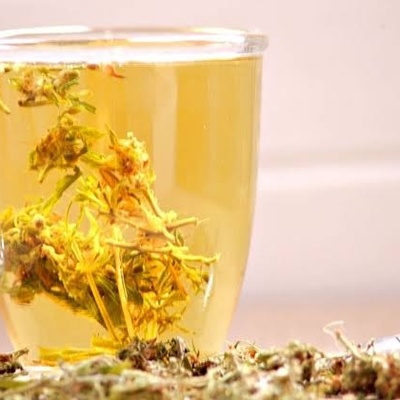
Nettle tea is another traditional herbal preparation sometimes used for headaches. The dried leaves and flowering tops can be steeped in hot water and consumed as an herbal infusion.

Lavender has a pleasant aroma and is commonly used for relaxation. Lavender oil may be applied externally in a diluted form or inhaled through steam.
Important: Lavender essential oil should not be consumed unless specifically directed by a qualified healthcare professional. It is generally intended for aromatic or topical use.
Mullein has traditionally been used as a herbal remedy for stress and tension. It is believed to have soothing effects and may be used in traditional practices to support relaxation and ease discomfort.
Gotu kola has traditionally been associated with calming and relaxing properties. Some herbal traditions use it to support the nervous system and help manage stress-related tension.
Note: Herbal remedies may not be suitable for everyone and can interact with medications or cause side effects. For frequent, severe, or worsening migraines, it is important to consult a qualified healthcare professional.