SAEDNEWS: This article explores the causes and consequences of water discoloration in different locations. It is particularly useful for readers interested in environmental issues, water quality, and public health.
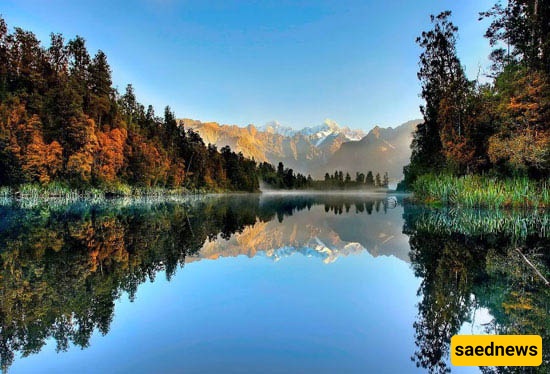
According to Saednews, Water is an essential resource for life on Earth, yet its color and characteristics can vary significantly from one location to another. Changes in water color can provide clues about its quality and may result from natural processes or human activities.
One of the most common causes of water discoloration is the presence of suspended particles. These may include soil, sand, sediment, clay, and even microorganisms. For example, during heavy rainfall or river flooding, water can become dark brown because of increased amounts of sediment and soil particles.
Water can change color when chemical pollutants such as heavy metals, detergents, and agricultural chemicals enter water sources. Metals such as copper and zinc, for example, may contribute to greenish or bluish coloration. Such changes can indicate contamination and may pose serious risks to human health and aquatic ecosystems.
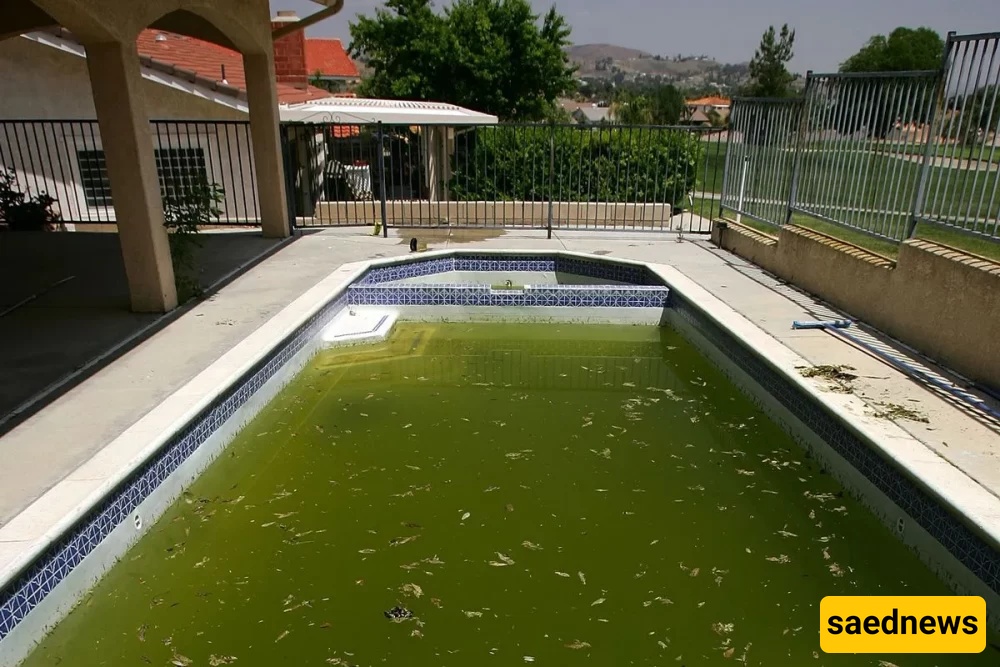
Biological processes, including the growth of algae and other microorganisms, can also change the appearance of water. Excessive algal growth often occurs when nutrients such as phosphorus and nitrogen enter water bodies. This phenomenon, commonly associated with algal blooms, can turn water green, red, or brown.

Seasonal conditions can influence water color as well. During summer, higher temperatures and increased sunlight can encourage algal growth, causing water to become greener. In winter, snow and ice accumulation can alter the availability of nutrients and suspended materials, potentially changing the appearance of the water.
Geographic location also plays an important role. Some water sources naturally contain minerals that give them distinctive colors. For instance, iron-rich water can appear brown or reddish, while water containing high concentrations of certain copper minerals may have a blue or green appearance.
A change in water color can sometimes indicate contamination or poor water quality. Consuming contaminated water may lead to various health problems. Water affected by certain algal blooms, for example, may contain toxins that can be harmful to humans and animals.
Changes caused by algae and organic matter can negatively affect aquatic ecosystems. Excessive biological growth may reduce dissolved oxygen levels, creating unfavorable conditions for fish and other aquatic organisms.
Water discoloration can also affect economic activities such as tourism, fishing, and agriculture. Polluted or visibly contaminated water may discourage visitors and can negatively influence agricultural production and water-dependent industries.
Polluted and discolored water can contribute to habitat degradation and biodiversity loss. Over time, these changes may have broader negative effects on both aquatic and surrounding terrestrial ecosystems.
Regular monitoring is one of the most important ways to identify and manage changes in water quality. Modern monitoring equipment and laboratory testing can help detect pollutants and determine whether corrective measures are necessary.
Reducing the amount of pollution entering water sources is another effective strategy. This includes proper wastewater management, reducing the use of harmful agricultural chemicals, and promoting sustainable farming practices.
Educating communities about water quality and its importance to public health and the environment can increase awareness and encourage responsible behavior. Greater public awareness can ultimately contribute to reducing water pollution and protecting freshwater resources.
Restoring aquatic ecosystems and protecting natural habitats can improve water quality and reduce environmental degradation. Measures may include restoring riverbeds, protecting vegetation along waterways, and strengthening biodiversity.
Advanced technologies for water monitoring and treatment can help improve water quality and address contamination. Innovative treatment methods, including certain nanotechnology-based approaches, may assist in removing pollutants and improving water conditions.
1. Does a change in water color always mean that the water is polluted?
No. Water discoloration does not always indicate pollution. Natural minerals, sediments, algae, and other environmental factors can also affect its appearance. Laboratory testing is necessary to accurately determine water quality.
2. What can be done to reduce water discoloration?
Effective measures include controlling chemical pollution, properly managing wastewater, reducing agricultural runoff, and using appropriate water-treatment technologies.
3. Is colored water always dangerous?
Not necessarily. Some naturally occurring minerals and sediments can give water a distinctive color without making it hazardous. However, unexplained or sudden discoloration should be investigated before the water is used for drinking.
4. How can water safety be confirmed?
Regular water-quality testing and obtaining drinking water from reliable, regulated sources are among the best ways to assess water safety.
5. Can changes in water color affect marine and aquatic life?
Yes. Changes associated with algal blooms, chemical contamination, or excessive organic matter can negatively affect aquatic organisms and disrupt aquatic ecosystems.