SAEDNEWS: For centuries, skilled forgers have challenged the art world by creating works convincing enough to fool respected experts, museums, and wealthy collectors. Their stories reveal how knowledge, psychology, and technology shape the search for authenticity.
According to SaedNews,
For centuries, the art world has faced a strange question: how can a painting that looks like a masterpiece be completely fake?
Art forgers have built careers around answering that question. Some copied famous artists, while others created entirely new “lost masterpieces” that experts believed had finally been discovered. Their stories are not only about deception but also about the complicated relationship between expertise, reputation, and human expectations.
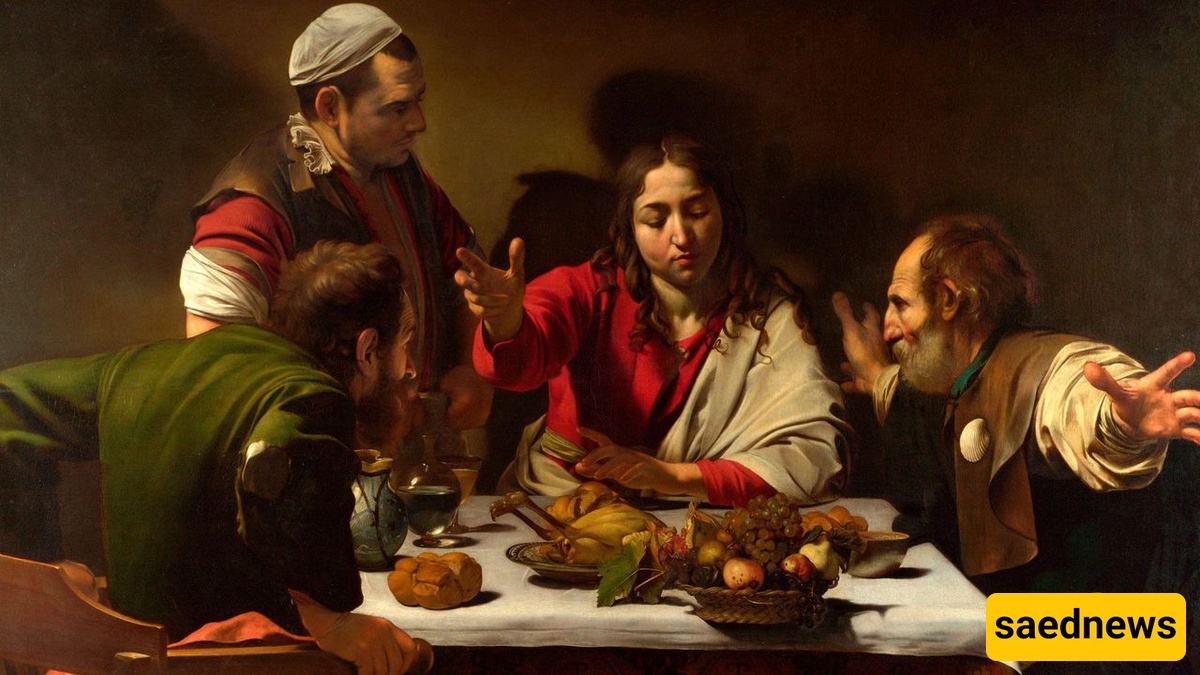
One of the most famous examples is Dutch painter Han van Meegeren (1889–1947), who became known for creating convincing fake works in the style of Johannes Vermeer. His painting “The Supper at Emmaus” was accepted by leading experts and purchased by the Museum Boijmans in Rotterdam as an important Vermeer discovery before the truth emerged after World War II.
Van Meegeren’s success depended on more than technical skill. He studied what experts expected a Vermeer painting to look like and created works that matched those assumptions. His case became a lesson in how even specialists can be influenced by theories they already believe.
A painting’s authenticity is rarely judged only by appearance. Museums and collectors examine materials, historical records, ownership history, and scientific evidence.
This is why some forgeries survive for decades. A convincing fake often comes with a convincing story: a mysterious previous owner, a forgotten collection, or a missing work that experts hoped to rediscover.
Modern forgers have also understood the importance of creating a believable background. German forger Wolfgang Beltracchi became one of the most notorious examples of the modern era. He created works in the style of 20th-century artists and successfully sold fakes that entered the international art market. Scientific analysis later exposed some of the paintings because they contained modern pigments that did not match the supposed historical period.
The greatest art scams often succeed because people want the story to be true.
A famous expert may be more likely to accept a painting that confirms a long-held theory. A collector may be influenced by a prestigious name attached to a work. A museum may become emotionally invested in owning a rare discovery.
Forgeries reveal that authentication is not only a scientific process but also a human one.
Today, laboratories use tools such as pigment analysis, infrared imaging, X-rays, and other scientific methods to examine artworks. These techniques have exposed many sophisticated fakes by identifying materials that were unavailable during the period when the works were supposedly created.
However, the fight against forgery continues. As technology improves, so do the methods used by counterfeiters.
Art forgers are criminals, but their stories continue to attract public attention because they combine creativity, mystery, and historical drama.
They reveal something uncomfortable about the art world: people do not only buy paintings; they buy stories, reputations, and the feeling that they are connected to something extraordinary.
The discovery that a masterpiece is fake can destroy its financial value, but it often creates another kind of value — a fascinating story about ambition, deception, and the limits of human judgment.