SAEDNEWS: A smelly vacuum cleaner is often holding onto more than dust: damp debris, pet hair, clogged filters or trapped dirt can all send unpleasant odors back into the room. But a burning smell is different—and should never be treated as just another cleaning problem.
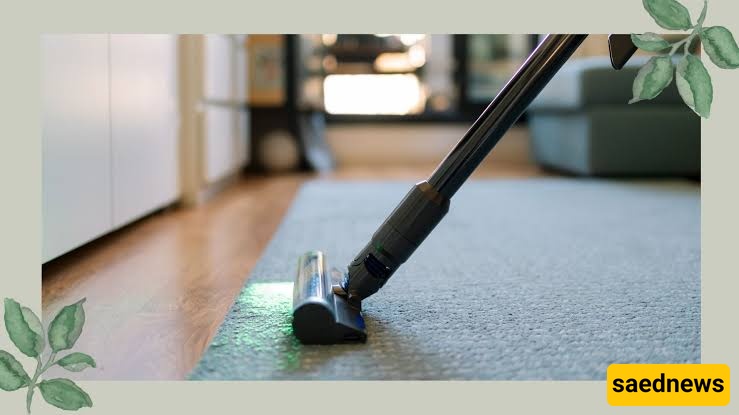
According to SaedNews, the quickest way to understand a smelly vacuum cleaner is not to reach for an air freshener but to pay attention to what the smell actually resembles.
A musty odor, a wet-dog smell and a sharp burning scent can point to very different problems. In many cases, the machine simply needs a thorough cleaning. In others, particularly when something smells hot or electrical, continuing to vacuum could make the problem worse.
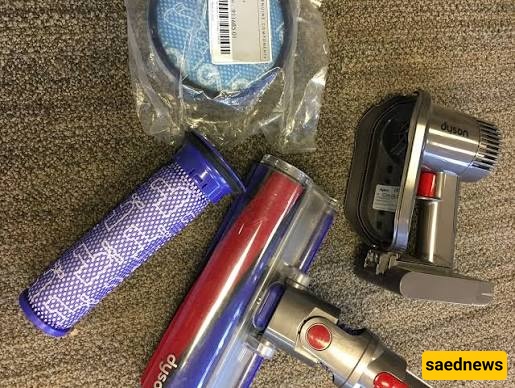
One of the most common explanations for a stale or musty vacuum is moisture trapped alongside dust and debris.
Vacuum cleaners can collect slightly damp pet hair, fine debris from carpets or other material containing moisture. If that material remains inside the dust bin, cyclone or filter, the smell can become increasingly noticeable when the machine is switched on.
Dyson's troubleshooting guidance specifically identifies damp or musty odors with dust that has come into contact with water, including moisture associated with slightly damp pet hair. The company also warns that reinstalling a filter before it is completely dry can create the same problem.
Moisture matters because mold growth depends on it. The U.S. Environmental Protection Agency notes that controlling moisture is central to controlling indoor mold growth.
What to do: Empty the vacuum, inspect the dust container and filters, and clean only the parts that your manufacturer's instructions say are washable. Any washable component should be completely dry before it goes back into the machine.
If your vacuum smells like a wet dog—or simply like the pets it has been cleaning up after—the source may be accumulated hair, dander and other organic debris.
The problem is easy to overlook because emptying a dust bin does not necessarily remove residue from the filter, hose, brush roll or internal passages. As air moves through the machine during the next cleaning session, those odors can be carried straight back into the room.
A useful approach is to follow the vacuum's airflow from the floor head toward the exhaust: check the brush area, hose or wand, dust container and filters rather than concentrating on the bin alone. Manufacturers such as Dyson recommend checking ducts and internal areas for blockages and keeping filters properly maintained.
A dusty or musty smell is unpleasant. A burning smell is a warning.
A jammed brush roll, restricted airflow, damaged belt or another mechanical problem can cause parts of a vacuum to overheat. TechRadar recommends switching the machine off immediately and unplugging it when a burning smell appears, before checking for blockages.
BISSELL's support materials likewise distinguish unusual damp odors from situations involving burning smells and mechanical problems.
If you smell hot rubber, burning plastic or something electrical, don't try to cover it with fragrance. Turn the vacuum off, unplug it and let it cool. Check the brush roll and accessible airflow paths only when the machine is safely disconnected. If the smell remains, or you see smoke or signs of electrical damage, stop using the vacuum and seek manufacturer or professional service.
One reason vacuum odors return is that owners often clean the obvious component—the dust bin—and overlook the places where fine debris accumulates.
A better reset is systematic:
Empty the bag or dust container.
Check the brush roll for wrapped hair and fibers.
Inspect the hose, wand and accessible air passages for blockages.
Clean or replace filters according to the manufacturer's instructions.
Clean washable parts only as directed.
Allow washable components to dry completely before reassembly.
Run the machine only after everything is correctly installed.
The precise cleaning method varies by model. Dyson, for example, instructs users not to wet certain cyclone components while allowing specific bins or filters to be cleaned in particular ways.
This is where many quick-fix cleaning tips can become counterproductive.
Some household advice recommends putting fragrance or baking soda into a vacuum to make it smell fresher. But a better rule is to fix the source of the odor rather than perfume the exhaust. Expert Reviews specifically cautions against using baking soda directly in a vacuum because fine powder can contribute to clogging.
Likewise, whether a filter, bin or other component can safely be treated with a particular substance depends on the machine. Manufacturer instructions should take priority over generic cleaning hacks.
You don't need to wait until your vacuum smells bad.
Empty the dust container or replace the bag as appropriate, keep filters on their recommended maintenance schedule, remove hair from the brush roll and avoid using a standard dry vacuum to pick up wet material unless the machine is specifically designed for that purpose.
Storage also matters. A vacuum kept in a damp environment is more likely to encounter moisture-related odor problems.
The bigger lesson is simple: a vacuum cleaner can only stay fresh if the dirt, hair and moisture it collects don't remain trapped inside it. And if the smell suddenly changes from stale to burning, cleaning should no longer be your first response—safety should.