SAEDNEWS: By following proper wound-care principles from the moment an injury occurs through complete healing, you can effectively treat a fresh facial wound.
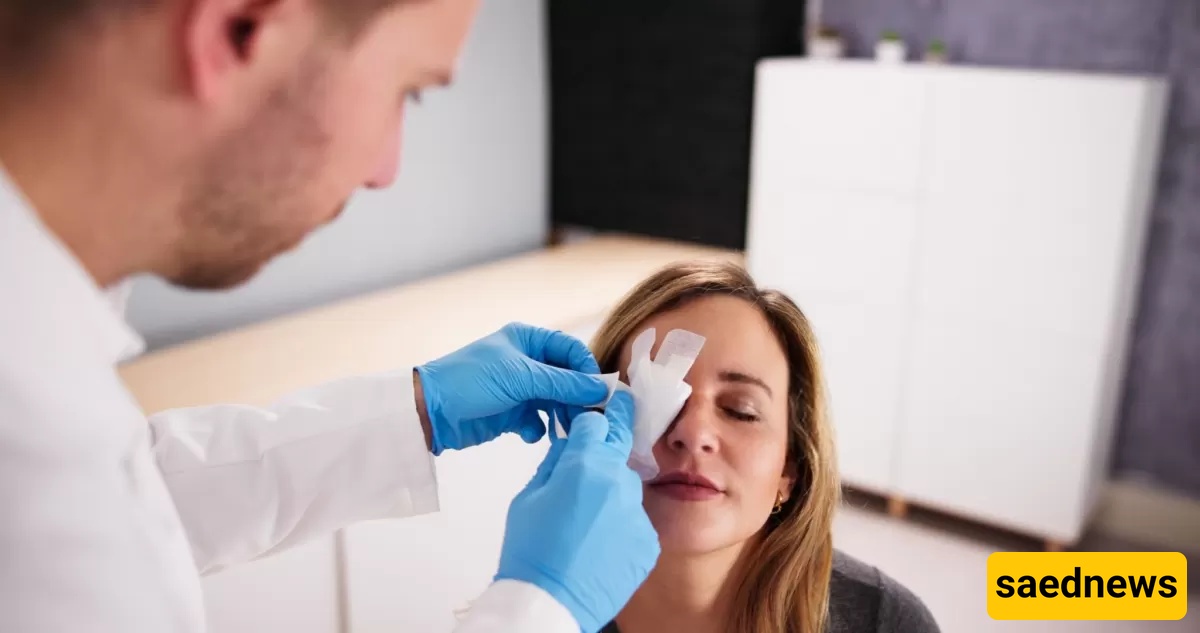
According to Saednews, Superficial facial injuries, ranging from minor scratches to deeper cuts, can be concerning. Because the face is such an important part of our visual identity, any change to its appearance can affect confidence and emotional well-being.
Fortunately, the face has an excellent blood supply, which gives facial skin a strong capacity to heal. However, treating a fresh facial wound promptly and correctly requires careful attention to basic medical and wound-care principles to reduce the risk of scarring. This guide explains the appropriate care for a facial wound, from the moment the injury occurs through the healing process.
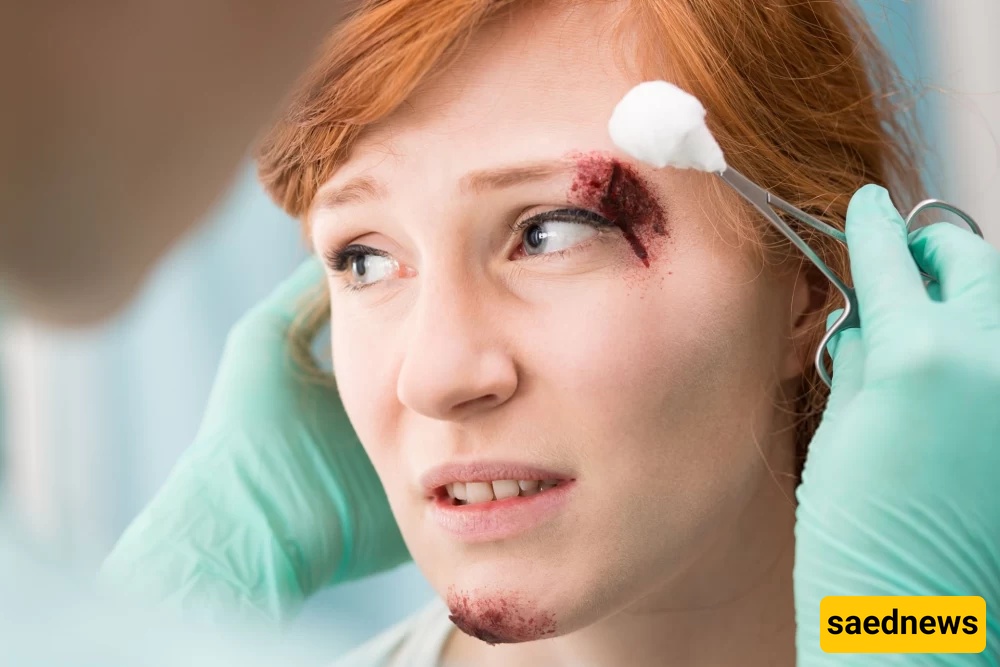
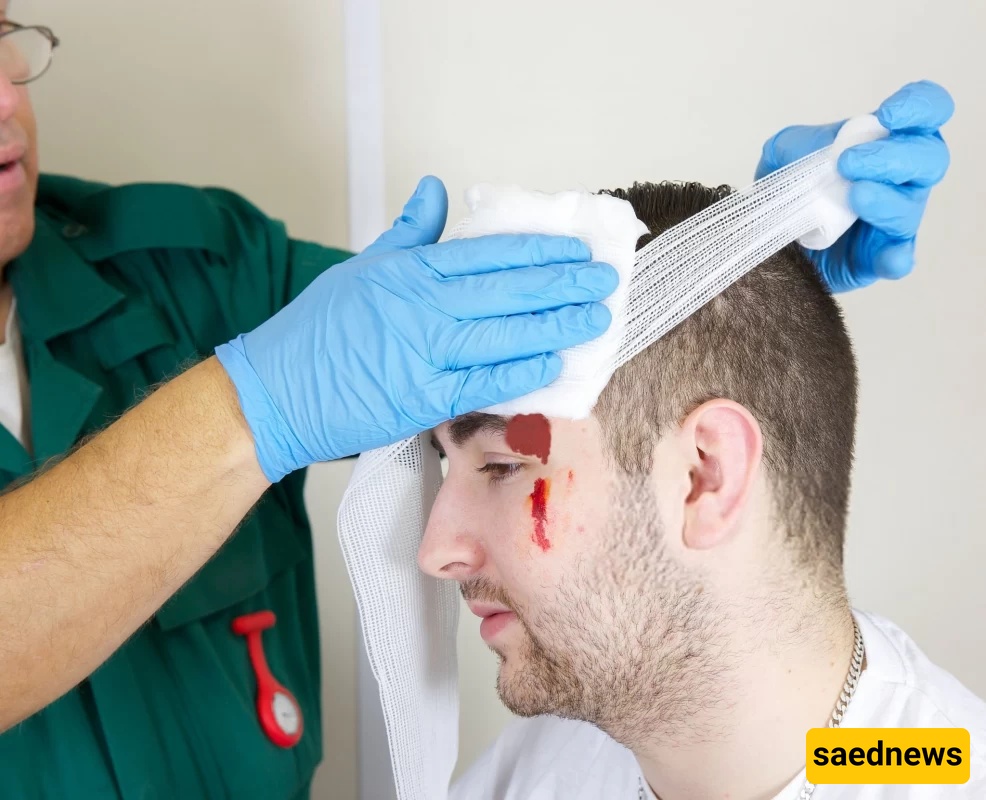
The first and most important step is to control the bleeding. Using a clean cotton cloth or sterile gauze, gently apply firm, continuous pressure to the wound for at least 5–10 minutes.
Avoid repeatedly lifting the gauze or cloth to check the wound, as this can interfere with clot formation and cause the bleeding to start again.

Once the bleeding is under control, gently clean the wound. Use lukewarm water and a mild, fragrance-free soap. Avoid rubbing soap directly into an open wound. Instead, clean the surrounding skin and rinse the area gently with water.
The purpose of cleaning is to remove dirt, debris, and bacteria. For deeper wounds, sterile saline solution can be used for irrigation.
After cleaning, examine the wound to determine its depth and extent. Medical attention is recommended if:
The wound is deep and underlying fat or muscle is visible.
The edges of the wound are widely separated.
Bleeding does not stop after about 15 minutes of continuous pressure.
The injury was caused by an animal bite.
The wound was caused by a contaminated or rusty object.
Deep facial cuts may require professional closure, and seeking medical care promptly can improve healing and reduce the likelihood of a wide or noticeable scar.
After cleaning, a thin layer of an appropriate topical wound ointment may be recommended by a healthcare professional, particularly when there is a risk of infection.
Antibiotic ointments should not be used routinely without medical advice, as they can cause skin irritation or allergic reactions and are not necessary for every minor wound.
Avoid applying corticosteroid creams to a fresh open wound unless specifically prescribed by a doctor.
Contrary to the common belief that a wound should be left exposed to air until it dries, a clean, slightly moist wound environment can support the healing process and reduce excessive scab formation.
Depending on the type of injury, suitable options may include:
Non-stick sterile dressings
Hydrocolloid dressings for appropriate superficial wounds
Silicone-based scar products after the wound has completely closed
Change the dressing according to the product instructions, or sooner if it becomes wet, dirty, or loose.
Adequate nutrition supports tissue repair. A balanced diet containing sufficient:
Protein: meat, eggs, fish, dairy products, and legumes
Vitamin C: citrus fruits, kiwi, peppers, and other fruits and vegetables
Zinc: meat, nuts, seeds, and legumes
Fluids: adequate water intake to maintain normal hydration
is beneficial during recovery. Supplements are generally unnecessary unless a healthcare professional identifies a nutritional deficiency.
Alcohol and strong antiseptic solutions can irritate or damage healthy cells involved in wound healing. For most minor wounds, gentle cleaning with clean running water and mild soap is preferable.
A scab provides natural protection while the skin heals. Picking or removing it prematurely can cause bleeding, delay healing, increase the risk of infection, and potentially worsen scarring.
Traditional remedies such as toothpaste or raw garlic should not be applied to an open facial wound. They can cause significant irritation or chemical injury and may interfere with healing.
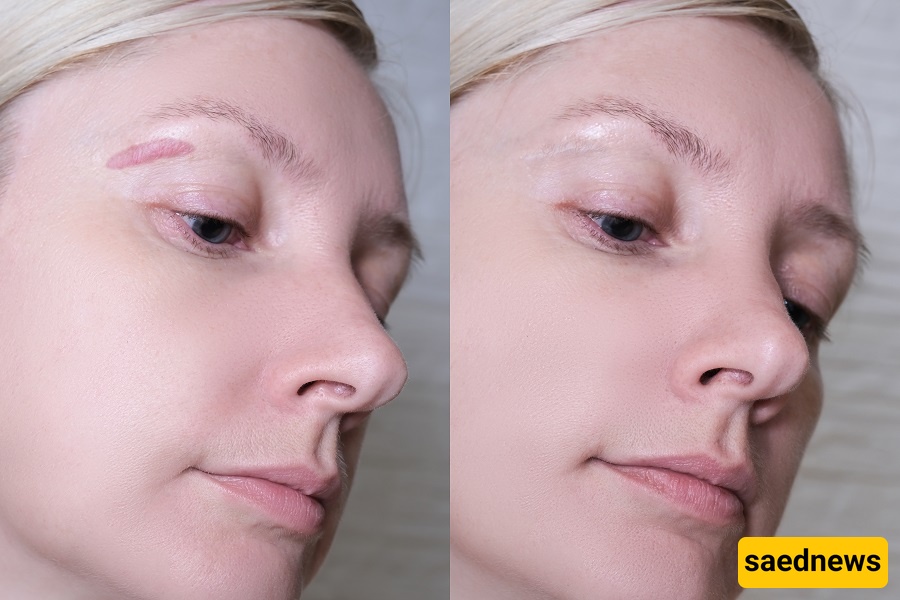
Once the wound has completely closed and the skin has healed, silicone gel or silicone sheets may help improve the appearance of a developing scar. These products work by maintaining hydration and creating a protective layer over the scar.
They should not be placed over an open, infected, or actively bleeding wound.
Newly healed skin is particularly vulnerable to ultraviolet radiation. Sun exposure can make a healing scar darker and more noticeable.
Once the skin has fully closed, use a broad-spectrum sunscreen with high SPF and protect the area from direct sunlight. Consistent sun protection may need to be continued for several months while the scar matures.
If a scar remains noticeably red, raised, depressed, or dark after healing, a dermatologist can assess it and determine whether treatment is appropriate.
Depending on the type of scar, professional options may include:
Fractional laser treatment
Vascular laser treatment for persistent redness
Microneedling
Other dermatologist-guided scar therapies
These treatments should only be considered after the wound has fully healed and should be selected according to the individual characteristics of the scar.
For minor scrapes:
Gently wash the area with clean water and mild soap.
Keep the wound protected with an appropriate non-stick or hydrocolloid dressing.
Avoid picking at the healing surface.
Monitor for signs of infection.
Deep facial cuts should be evaluated by a healthcare professional as soon as possible. Facial wounds may sometimes require stitches or another form of wound closure.
After closure, follow the clinician's instructions regarding wound cleaning, dressings, medications, and suture removal. Because facial skin generally heals quickly, stitches may need to be removed relatively early, depending on their location and the doctor's assessment.
For a minor thermal burn:
Cool the area with cool running water rather than ice.
Avoid applying toothpaste, butter, oils, or other household substances.
Seek medical attention for deep, extensive, or facial burns, particularly when blistering or significant tissue damage is present.
Some burns have a high risk of scarring and require specialized wound care.
Stage | Typical Time | What Happens |
|---|---|---|
Inflammatory phase | Days 1–3 | Redness, swelling, and mild warmth may occur as part of the normal healing response. |
Proliferative phase | Days 3–14 | New tissue develops and the wound gradually closes. |
Remodeling phase | Week 3 to several months | Collagen is reorganized and the scar gradually becomes flatter, softer, and less noticeable. |
Healing times vary depending on the wound's depth, location, size, infection risk, and the individual's overall health.
Seek medical attention if you notice signs of infection such as:
Increasing pain
Spreading redness or swelling
Pus or yellow/green discharge
Fever
Increasing warmth around the wound
Red streaks extending away from the injury
Medical evaluation is also important for deep wounds, significant facial injuries, animal bites, wounds containing foreign material, or injuries that may involve the eye, nose, mouth, or other important facial structures.
Proper care during the first hours and days after a facial injury can make a significant difference in healing and the eventual appearance of the skin. The most important steps are controlling bleeding, gently cleaning the wound, keeping it appropriately protected, avoiding irritating home remedies, and preventing unnecessary trauma to the healing tissue.
Once the wound has completely closed, consistent sun protection and appropriate silicone-based scar care may help minimize discoloration and improve the appearance of the developing scar.
For deep, widely separated, contaminated, or infected facial wounds, professional medical evaluation is the safest approach. Prompt treatment can improve wound healing and help achieve the best possible cosmetic outcome.