SAEDNEWS: Rodri’s arrival at Barcelona could dramatically reshape Hansi Flick’s midfield, with Pedri and the returning Frenkie de Jong facing important questions over their roles. The transfer would strengthen Barcelona’s control and experience, but major concerns remain in attack and central defense.
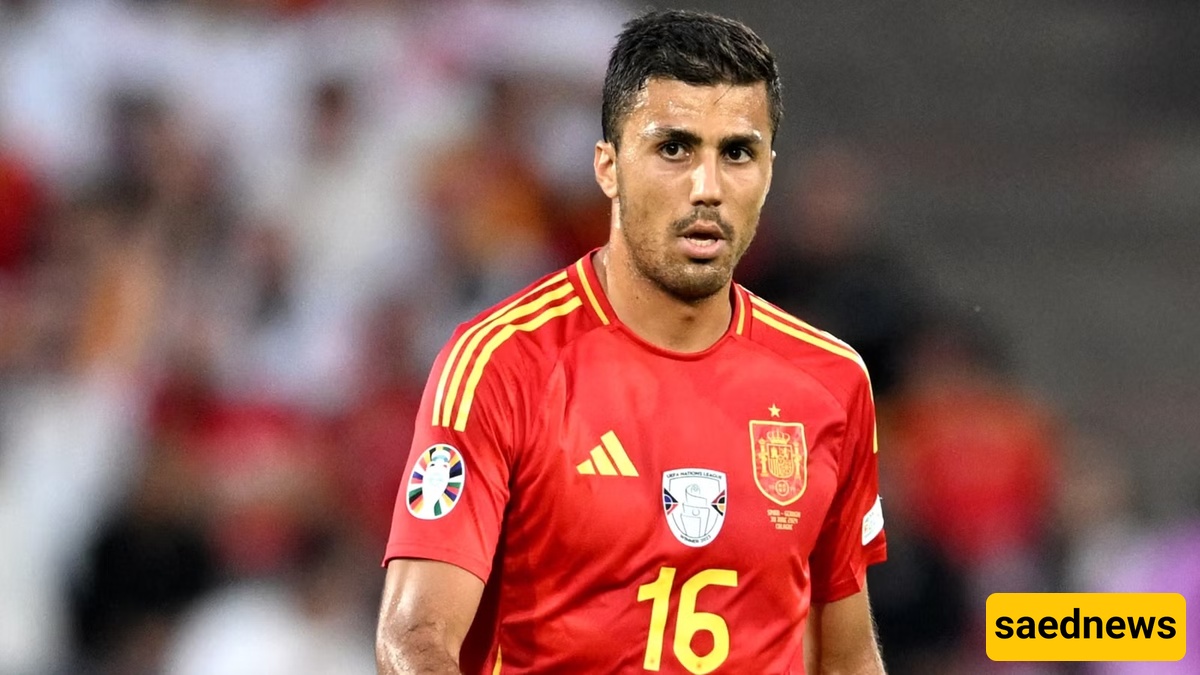
According to SaedNews: Rodri’s move to Barcelona could become one of the defining transfers of the European summer, not simply because it adds another midfielder to the squad, but because it could alter the structure of the team’s entire midfield.
Barcelona have built their football for years around possession, controlling the tempo and dominating the center of the pitch. Within that philosophy, a defensive midfielder with exceptional tactical awareness can be crucial—someone capable of dictating the rhythm while helping the team escape pressure at key moments. Rodri fits that profile almost perfectly.
The Spanish star, who developed into one of the world’s finest midfielders during his years at Manchester City under Pep Guardiola, has officially joined Barcelona. On paper, his characteristics appear almost perfectly suited to the club’s style. Yet his arrival immediately creates a major question: where does Pedri fit?
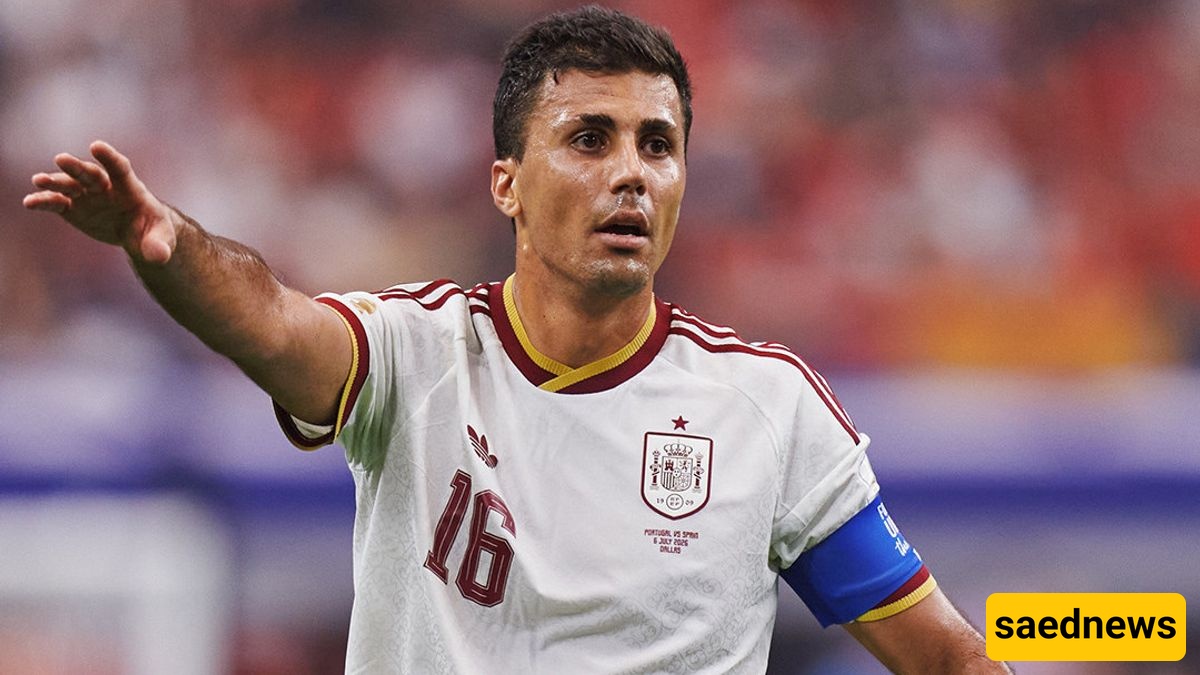
Rodri has played a role for both Manchester City and Spain that goes well beyond simply protecting the defense. He connects the lines, manages the tempo and provides an important platform for retaining possession. Spanish football has long been built around the idea that keeping the ball reduces the opponent’s opportunities to cause damage, and Rodri is among the modern game’s strongest examples of that principle.
His serious ACL injury in 2024 means he is no longer quite the explosive player he once was, but his most important quality remains intact: his football intelligence.
Rodri may not be able to reproduce the same volume of explosive movement as before, yet his ability to read situations, position himself correctly and manage space has kept him among the elite. La Liga is also generally less physically intense than the Premier League, which could allow him to operate with a lower physical burden.
The timing of the transfer is also significant. Barcelona midfielder Frenkie de Jong is currently sidelined with an injury, and it remains unclear whether his absence will last weeks or months.
In recent years, De Jong has been one of the players whose tactical responsibilities most closely resemble Rodri’s. As a result, if the transfer is completed, Rodri could move into the starting lineup almost immediately. But once De Jong returns, Flick will face a major decision: should the two play together? Should one operate deeper? And, above all, what happens to Pedri?
Pedri remains one of Europe’s most important young talents, making any decision to remove him from the starting XI highly controversial. Rodri’s arrival, however, could force Barcelona to reconsider the way its midfield is constructed.
For Spain, Rodri has played major matches alongside Fabian Ruiz, with Dani Olmo positioned farther forward. Pedri has also been part of the national team, although his role was less prominent than Olmo’s in some of the biggest games. Flick will now have to find a structure in which Rodri and Pedri can bring out the best in each other.
One possibility would see Rodri operate as the deepest midfielder while giving Pedri greater freedom to move into advanced areas. That would allow Barcelona to combine Rodri’s tactical intelligence with Pedri’s creativity. Another option would be to pair De Jong with Rodri and push Pedri into a more advanced position. In that scenario, Dani Olmo could face stronger competition for a starting place.
Rodri’s arrival, therefore, is not simply another signing. It could trigger a series of changes throughout Barcelona’s lineup.
Despite everything Rodri could contribute, his arrival alone will not fix all of Barcelona’s weaknesses. One of the biggest concerns is in attack.
With Robert Lewandowski’s contract ending and Ferran Torres leaving, Barcelona remain uncertain about their central striker position. Anthony Gordon and Karim Adeyemi have joined the team, but both are primarily wide players rather than traditional No. 9s.
Barcelona have made a major effort to sign Julian Alvarez, but Atletico Madrid are unwilling to let their Argentine star leave cheaply. His release clause has also been reported at around €500 million. Names such as Luis Suarez and Georges Mikautadze have also been mentioned, but neither represents a definitive solution to the striker problem.
Flick could even be forced to use Hamza Abdelkarim, the 18-year-old Egyptian forward who demonstrated his scoring ability during preseason. However, relying on a young striker cannot be the primary plan for a team competing for major trophies.
Central defense is another area Barcelona need to strengthen. Pau Cubarsi is undoubtedly one of the world’s best young defenders, but building an entire season around a single high-level center-back would carry considerable risk.
Eric Garcia is versatile and reliable, while Gerard Martin has produced acceptable performances at center-back under Flick. Andreas Christensen also remains available, although his recurring injuries have created concerns. Barcelona are therefore looking for a more dependable option in the middle of the defense.
One name under consideration is Aymeric Laporte, whose style could complement Cubarsi particularly well. Laporte is strong in possession and comfortable playing with a high defensive line, but his high price could prevent the move.
Ultimately, signing Rodri sends a clear message from Barcelona: the club wants to compete again for the biggest prizes in European football. He can bring control, experience and a winning mentality to midfield, making the transfer highly significant. At the same time, his arrival creates a new set of questions.
Where will Pedri play? What role will De Jong have when he returns? Who will replace Lewandowski in attack? And will Barcelona also strengthen central defense?
Flick has repeatedly shown in recent years that he can find unexpected solutions, but even the best coaches cannot permanently compensate for squad weaknesses through tactics alone. Rodri could become one of the most important pieces of Barcelona’s new project, but he cannot solve everything by himself.
Perhaps Flick’s biggest challenge will be integrating Rodri without turning Pedri from the midfield’s central star into a substitute.