SAEDNEWS: Red raspberry leaves contain bioactive compounds like fragrine, tannins, and flavonoids that may support uterine health, ease menstrual discomfort, aid digestion, and strengthen immunity.
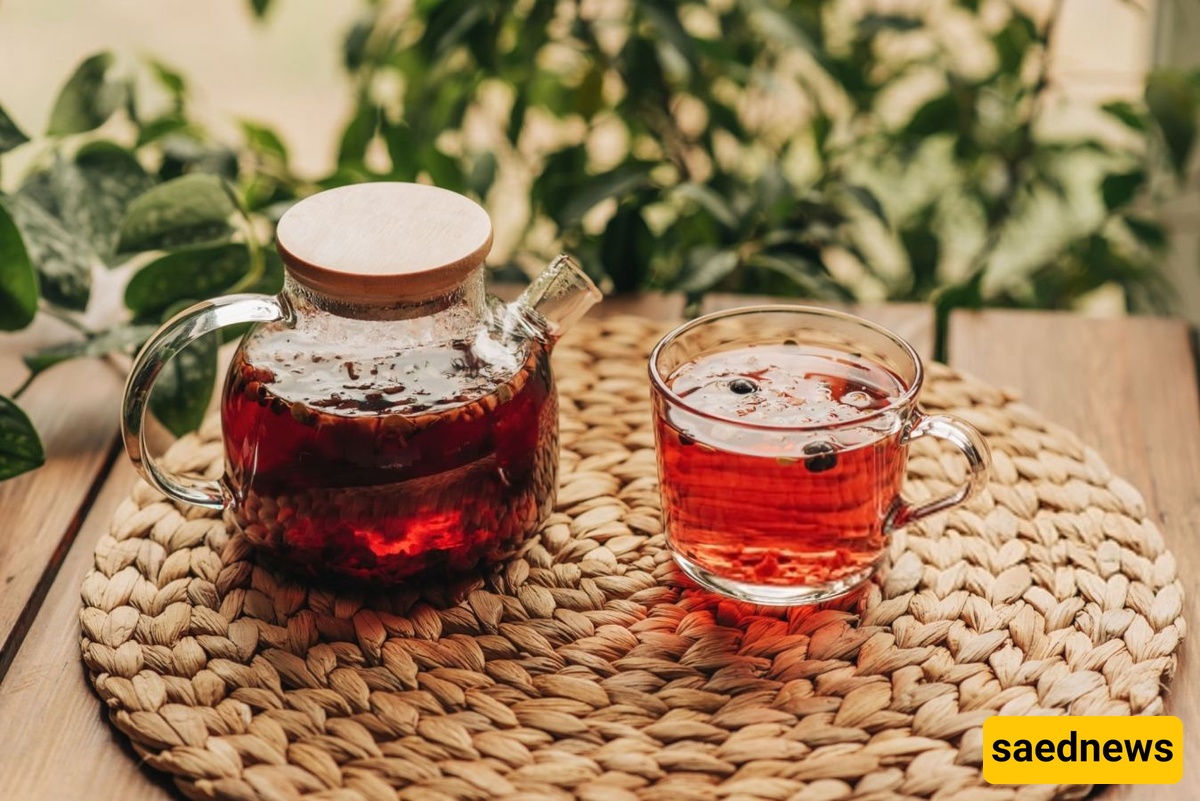
According to Saednews, In herbal medicine, a seemingly simple leaf can contain a complex range of bioactive compounds that may offer significant health benefits. While red raspberries are widely recognized as nutritious and flavorful fruits, their leaves have also held an important place in traditional European and North American herbal medicine for centuries.
In recent decades, scientific research has begun investigating the chemical composition and potential therapeutic effects of red raspberry leaves, providing a modern perspective on some of their long-standing traditional uses.
Understanding the potential medicinal properties of any plant requires examining its active constituents. Red raspberry leaves (Rubus idaeus) contain a variety of biologically active compounds that may work together.
One compound traditionally associated with raspberry leaves is fragarine, which has been studied for its potential effects on smooth muscle, particularly uterine muscle. Traditional herbal medicine has suggested that raspberry leaf may help support normal uterine tone and muscle function.
The leaves are also rich in polyphenols and tannins. These compounds are known for their astringent and antioxidant properties and may help explain the traditional use of raspberry-leaf preparations for digestive discomfort, minor inflammation of the mouth and throat, and localized irritation.
Other constituents include flavonoids, including compounds related to kaempferol and quercetin, as well as ellagic acid and its derivatives. Laboratory research has investigated ellagic acid for antioxidant and other biological activities. Raspberry leaves also contain minerals such as iron, magnesium, potassium, phosphorus, and calcium, along with several B vitamins.
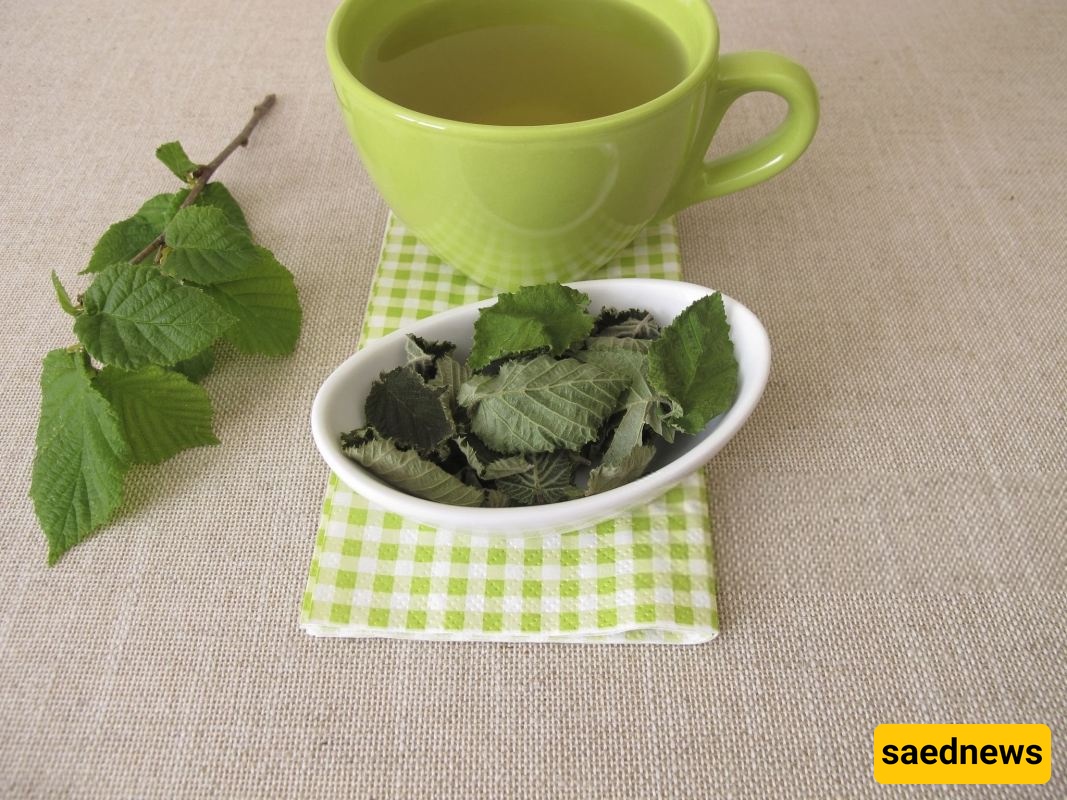
Red raspberry leaf has a long history of use in traditional medicine. Indigenous peoples of North America used raspberry-leaf preparations for various women's health purposes, including during pregnancy and the postpartum period. In Europe, herbal practitioners later incorporated raspberry leaves into traditional preparations for menstrual discomfort, digestive complaints, and other conditions.
During the development of modern herbal medicine in Europe, raspberry leaf became increasingly documented in herbal references. Its traditional applications have particularly focused on menstrual symptoms and minor inflammation of the mouth and throat.
From the 1990s onward, researchers in countries including Australia and the United Kingdom began examining raspberry leaf more systematically, particularly its safety and possible effects during pregnancy. Although some research has produced encouraging findings, the evidence remains limited and does not support treating raspberry leaf as a proven replacement for medical care.
One of the best-known traditional uses of raspberry leaf concerns women's reproductive health. Raspberry-leaf tea is often described as a uterine tonic, based on the traditional belief that regular use may support uterine muscle tone and prepare the body for labor.
Some research has investigated whether raspberry leaf consumption during late pregnancy can influence labor outcomes. A frequently cited study involving pregnant women examined raspberry-leaf use during the final weeks of pregnancy and reported differences in the duration of the second stage of labor and the use of certain interventions.
However, these findings should be interpreted cautiously. Research on raspberry leaf during pregnancy remains relatively limited, and evidence is not strong enough to establish that it reliably shortens labor or prevents complications.
Raspberry leaf has also traditionally been used for menstrual discomfort. Its astringent and smooth-muscle-related properties have been proposed as possible explanations for this use, although high-quality clinical evidence remains insufficient to confirm its effectiveness for menstrual pain or premenstrual syndrome.
Pregnant women should discuss raspberry-leaf products with a qualified doctor or midwife before using them, particularly when pregnancy is not considered low risk or when medications are being taken.
The tannins in raspberry leaves have mild astringent properties and have traditionally been used for digestive complaints such as diarrhea. These compounds may interact with mucous membranes and help reduce irritation.
Raspberry-leaf tea has also traditionally been consumed for minor stomach discomfort, intestinal irritation, and bloating. As a mouth rinse, it has been used traditionally for irritated gums, mouth ulcers, and sore throats because of its astringent properties.
Persistent or severe diarrhea, however, can lead to dehydration and may require medical evaluation rather than herbal treatment alone.
Raspberry leaves contain antioxidants, including polyphenols and flavonoids. Antioxidants can help neutralize free radicals and may contribute to the body's defenses against oxidative stress.
Laboratory studies have also investigated raspberry-leaf extracts for possible anti-inflammatory activity. These findings are interesting, but laboratory results do not necessarily mean that drinking raspberry-leaf tea will prevent or treat inflammatory diseases in humans.
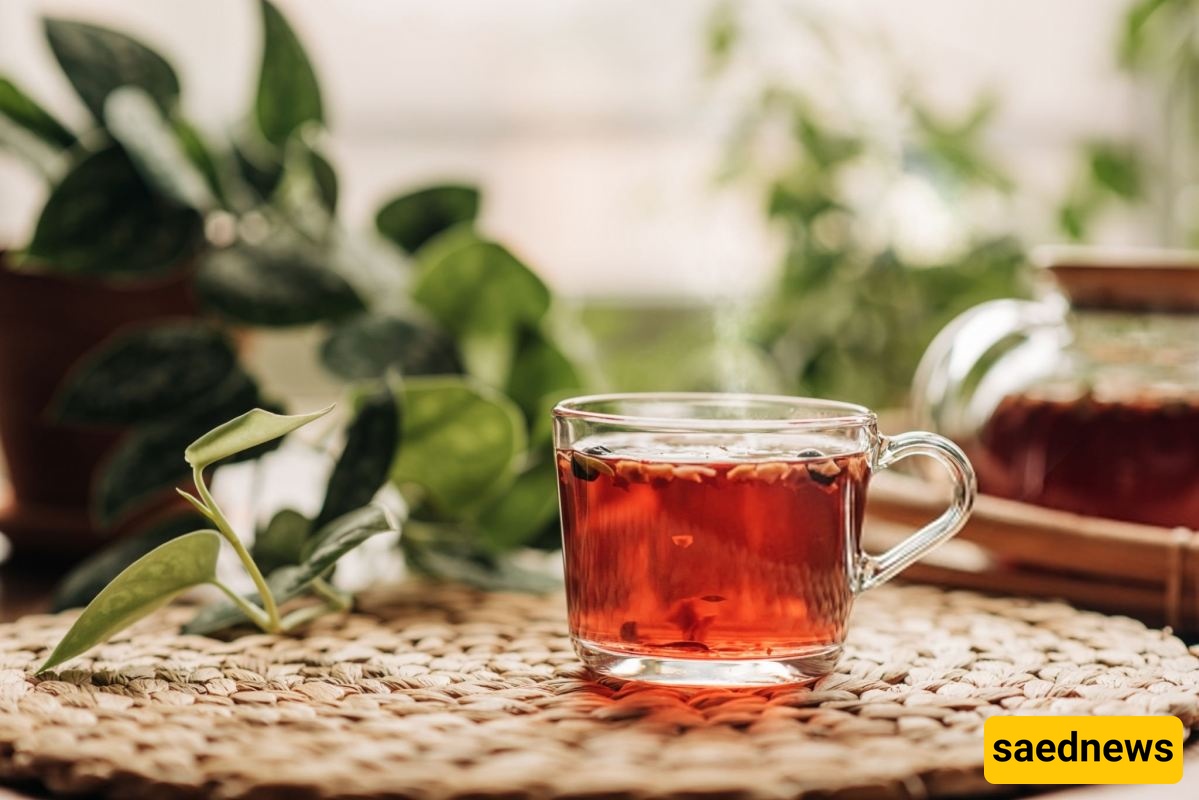
Some laboratory research suggests that compounds found in raspberry leaves may influence enzymes involved in carbohydrate metabolism and glucose absorption. Polyphenols have also been investigated for their potential effects on insulin sensitivity.
Nevertheless, clinical evidence in humans is currently limited. Raspberry-leaf tea should therefore not be considered a treatment for diabetes or a substitute for prescribed medication.
The presence of minerals such as potassium and magnesium and various antioxidant compounds may contribute to overall nutritional value, but more human research is needed to determine whether raspberry leaves provide meaningful cardiovascular benefits.
Red raspberry leaves have a long-standing reputation in traditional herbal medicine, particularly for women's health, digestive complaints, and minor inflammation. Their rich content of tannins, flavonoids, polyphenols, and other plant compounds provides a plausible scientific basis for some of these traditional applications.
At the same time, modern evidence should be interpreted carefully. Many reported benefits come from traditional use or laboratory research rather than large, high-quality clinical trials. Raspberry-leaf tea can be enjoyed as an herbal beverage by many people, but it should not be presented as a proven treatment for chronic diseases, pregnancy complications, diabetes, or other medical conditions.