SAEDNEWS: Helping children become comfortable with new flavors can make mealtimes more enjoyable and support healthier eating habits. Creating a positive environment, introducing foods gradually, and allowing children to explore different tastes without pressure can increase their curiosity and willingness to try new meals.

According to SAEDNEWS, children often develop their eating preferences through repeated experiences and the attitudes they observe around food. Parents can make mealtimes more pleasant by showing enthusiasm about different flavors and avoiding negative reactions when a child does not immediately accept a new food. A calm and supportive atmosphere helps children feel safe while exploring unfamiliar tastes.
Introducing new foods step by step can help children become more comfortable with different flavors. Instead of offering many unfamiliar options at once, parents can add one new ingredient alongside foods the child already enjoys. Repeated exposure can slowly build familiarity and encourage children to become more open to trying new choices.
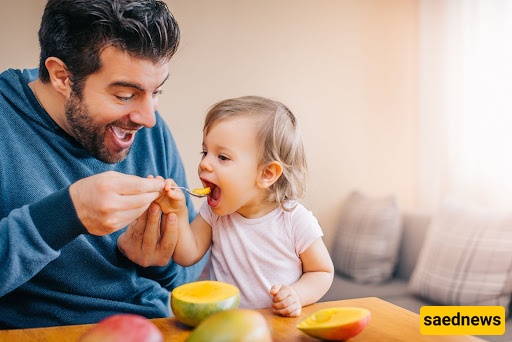
Allowing children to take part in simple food preparation activities can increase their interest in tasting new foods. They can help wash ingredients, choose between healthy options, or arrange food on a plate. Being involved in the process can create a sense of curiosity and make children more excited to taste the final meal.
Forcing children to eat a specific food may create negative feelings toward new flavors. Parents can offer different choices and encourage tasting without making children feel stressed. Respecting a child’s pace while continuing to provide variety can help develop a healthier relationship with food.
Presenting foods in creative ways can make new flavors more appealing to children. Combining familiar ingredients with new tastes, using colorful arrangements, and sharing positive conversations during meals can encourage exploration. Over time, children can develop a wider range of preferences and enjoy discovering new foods.