SAEDNEWS: A towel can come out of the washer looking clean yet release a musty or sour odor as soon as it gets damp again. The problem is often a combination of trapped moisture, residue, washing habits and a washer that itself needs attention.
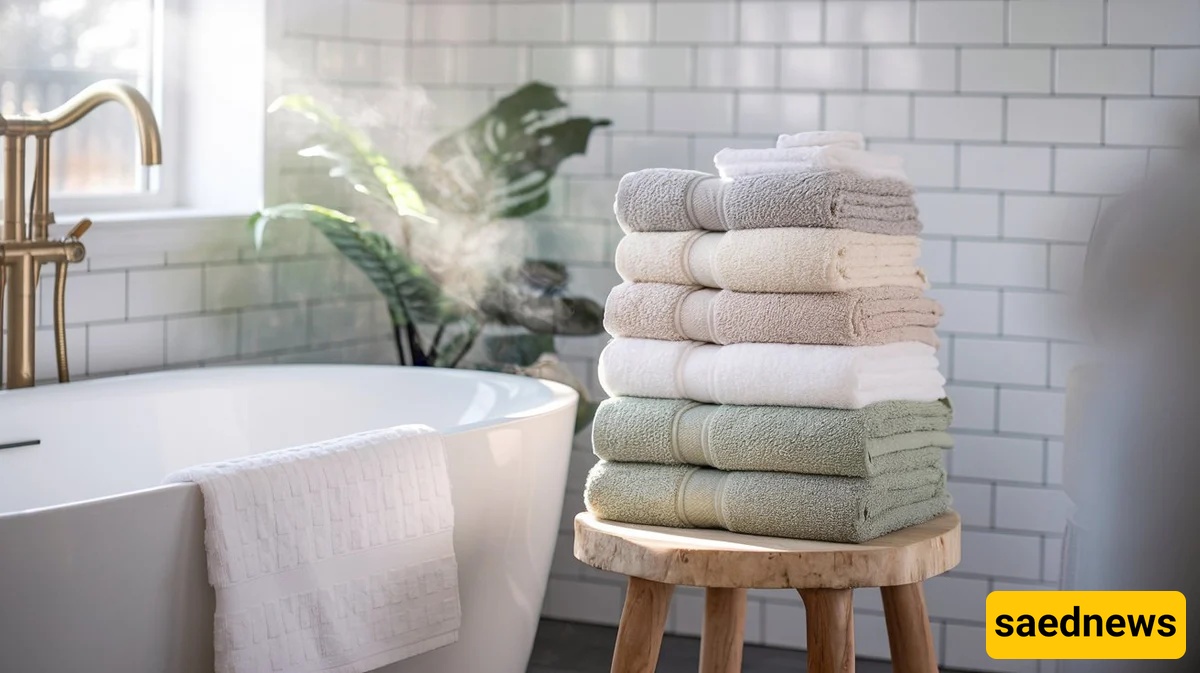
According to SaedNews, there is a peculiar laundry problem that almost everyone recognizes: you wash your towels, dry them, fold them neatly—and then the first time one gets wet, that unmistakable sour or musty smell returns.
It can be tempting to blame the detergent, the towel itself or simply assume it needs another wash. But repeatedly adding detergent is not necessarily the answer. Towels are unusually good at holding water, oils and residue inside their thick fibers, and they can also remain damp longer than they feel on the surface.
That combination creates the perfect conditions for persistent odors.

Bath towels spend much of their lives moving between two very different environments: a warm, humid bathroom and a dry cupboard.
Every use leaves behind moisture along with small amounts of skin oils, cosmetic products and other organic material. If the towel dries quickly and is washed appropriately, that is generally manageable. If it remains damp for long periods, however, microorganisms can find favorable conditions.
Moisture is particularly important because mold requires it to grow. The U.S. Environmental Protection Agency identifies moisture control as the key to preventing indoor mold, while the CDC advises keeping indoor humidity low and improving ventilation in damp areas such as bathrooms.
That does not mean every smelly towel is covered in mold. The odor may instead come from accumulated residue and microbial activity in the fabric. But persistent dampness is a major part of the problem.
This is perhaps the most confusing part.
A towel may smell acceptable when it is completely dry but suddenly smell unpleasant after a shower. That is a clue that something remains in the fibers and becomes noticeable again when moisture reaches it.
Thick cotton loops are designed to absorb water. The same feature that makes a towel effective at drying your skin can make it slower to dry afterward.
If detergent, fabric-softener residue, body oils or other material has accumulated in those fibers, another round of moisture can make the odor much more obvious.
The American Cleaning Institute notes that laundry problems can be linked to factors including water temperature, detergent use and fabric-softener practices, and recommends using the hottest water that is safe for the fabric when appropriate.
It is easy to think that a stronger-smelling or larger dose of detergent means cleaner towels.
Not necessarily.
If detergent is not rinsed away effectively, residue can remain in the fabric. Fabric softeners can create another issue: they are designed to coat fibers, and excessive or inappropriate use can affect how well towels absorb water.
That is one reason repeatedly washing an already-smelly towel with large amounts of detergent may produce disappointing results. The goal is not to make the towel smell strongly of laundry products. The goal is to remove the material responsible for the odor and then get the towel completely dry.
Sometimes the towel is not the only thing that needs cleaning.
A washing machine can develop odor-causing buildup around places that stay damp, including detergent dispensers and, on many front-loading machines, the rubber door gasket. Whirlpool recommends regular cleaning of these areas and notes that moisture accumulation around the gasket can contribute to mildew odors.
This creates a frustrating cycle: the towel goes into the machine to get clean, but the machine itself may be contributing to the smell.
If several types of laundry—not just towels—come out smelling stale, the washer deserves particular attention.
Towels are bulky. A drum that looks comfortably full with ordinary clothing can become severely crowded once several heavy towels are added.
When a load is packed too tightly, water and detergent have less opportunity to circulate through the fabric, while rinsing and tumbling can also become less effective.
That matters because towels already have thick, absorbent structures. Giving them enough room to move is part of getting them properly washed and rinsed.
One of the easiest mistakes happens after the washing cycle ends.
Leaving wet towels sitting in the washer for hours gives them another opportunity to develop an unpleasant smell. Storing them before they are completely dry creates a similar problem.
The EPA recommends keeping damp materials dry and controlling indoor moisture, while the CDC emphasizes ventilation and rapid drying as important measures for limiting mold growth.
In practical terms, a towel should be spread out rather than left in a crumpled heap. In a humid bathroom, improving airflow can make a significant difference.
If you dry laundry indoors, ventilation becomes even more important because drying clothes releases moisture into the surrounding air. The EPA specifically recommends ventilating areas where moisture is produced and using appropriate exhaust fans or dehumidification when necessary.
If your towels repeatedly develop an odor, start with the basics rather than immediately buying replacements.
1. Wash them according to the care label.
Choose the warmest or hottest temperature permitted for the fabric when appropriate. The American Cleaning Institute recommends using the hottest water that is safe for the material when temperature is a factor in the laundry problem.
2. Avoid cramming the machine.
Give bulky towels sufficient room for water, detergent and rinsing action to reach the fabric.
3. Use the correct amount of detergent.
More is not automatically better. Follow the detergent manufacturer's dosing instructions and account for load size and water conditions.
4. Consider skipping fabric softener while troubleshooting.
If residue or poor absorbency is part of the problem, removing another coating product from the routine can help determine whether buildup is contributing to the odor.
5. Do not leave towels sitting wet.
Move them promptly from the washer to the drying stage.
6. Dry them completely.
Spread towels out so air can reach as much of the fabric as possible. If using a dryer, follow the towel's care label and make sure the load is thoroughly dry before folding.
7. Check the washing machine.
Clean the detergent drawer, door seal and other areas specified in the manufacturer's maintenance instructions. If the machine itself smells musty, solving that problem may be essential.
Home laundry advice frequently recommends vinegar, baking soda or combinations of household products for smelly towels.
The safer approach is not to treat any one homemade mixture as a universal solution. Washing-machine manufacturers can have different recommendations, and some specifically warn against using vinegar in the machine because repeated exposure may damage components. Whirlpool, for example, advises against vinegar as a washing-machine cleaning product and recommends following the appliance manufacturer's instructions.
Most importantly, never mix bleach with ammonia or other cleaning products. The CDC warns that mixing certain cleaners can create toxic vapors.
A recurring musty smell does not automatically mean that a towel is dangerous or that your bathroom has a mold problem.
But if you can actually see mold, smell a persistent mold odor in the room itself, or notice ongoing dampness, the source of the moisture needs attention. The CDC recommends removing mold and correcting the underlying moisture problem rather than simply masking the smell.
If the bathroom remains extremely humid, ventilation is poor, or leaks are present, washing the towels repeatedly will not solve the underlying issue.
The bigger lesson is surprisingly simple: fresh-smelling towels are as much about drying and residue control as they are about washing.
Once you stop treating every bad smell as a detergent problem and start looking at moisture, load size, fabric buildup, washer maintenance and drying conditions, the mystery becomes much easier to solve.