SAEDNEWS: Margarine is often seen as a cheaper, cholesterol-free alternative to butter. But is it really healthier? Discover its ingredients, benefits, drawbacks, and how to make a smarter choice.
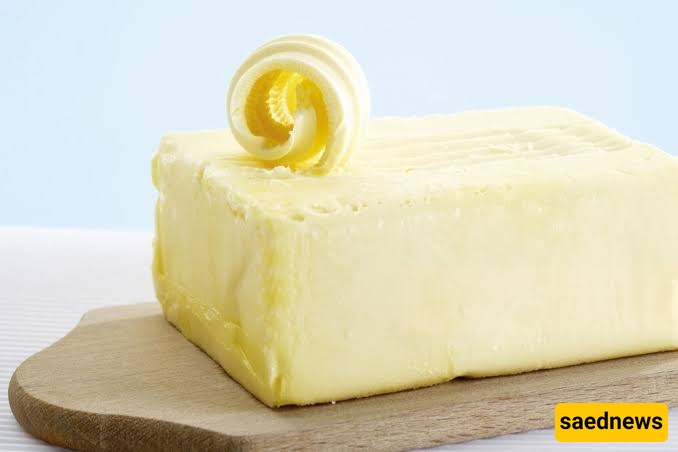
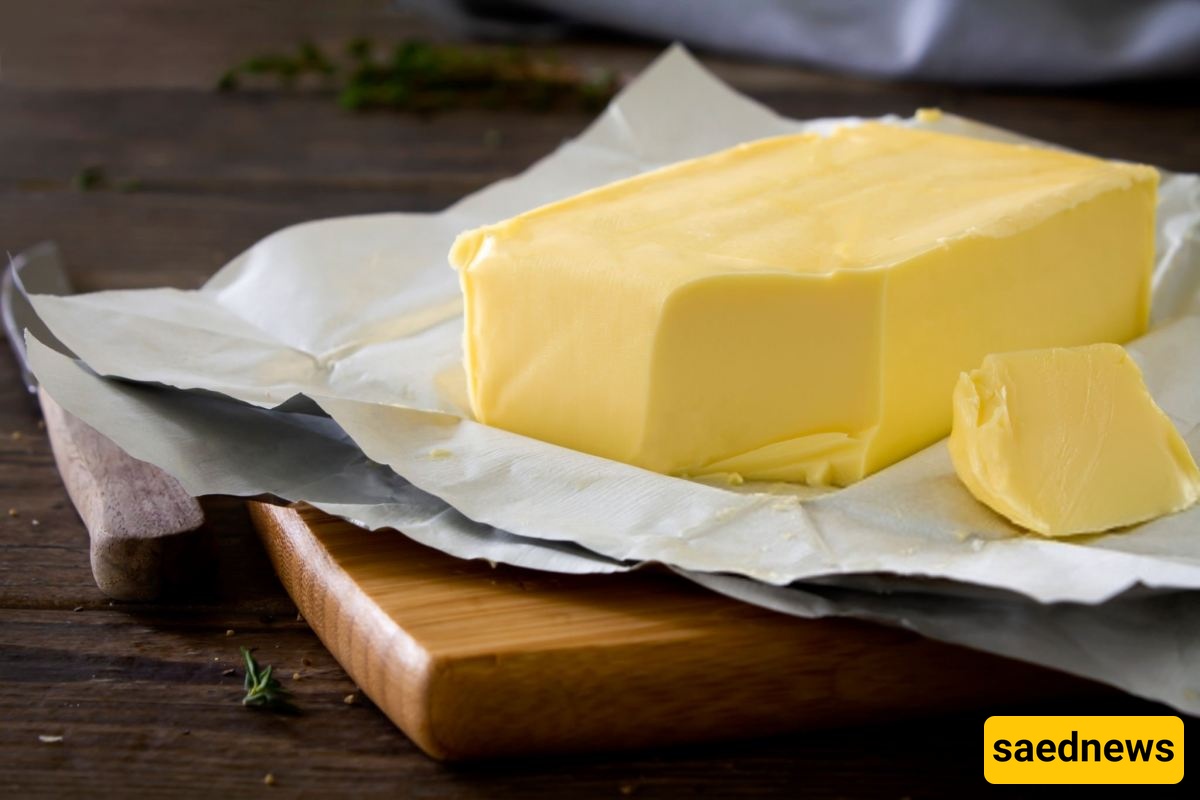
According to Saednews, Margarine, often referred to as plant-based butter, is an emulsified food product primarily made from vegetable oils, water, milk or plant proteins, emulsifiers, vitamins, and flavorings. In the Iranian market, the term “plant-based butter” commonly refers to products made from vegetable oils such as palm oil, soybean oil, sunflower oil, rapeseed (canola) oil, and sometimes palm kernel oil.
The production of margarine generally involves several stages:
Refining vegetable oils: Raw oils are first refined to remove impurities, free fatty acids, and undesirable odors.
Full or partial hydrogenation: This process can be used to make liquid oils more solid. However, modern manufacturers increasingly use processes such as interesterification to achieve the desired texture while reducing or avoiding the formation of trans fats.
Emulsification: Solid and liquid fats are blended with water and emulsifying agents, such as lecithin, to create a smooth and stable texture.
Adding other ingredients: Vitamins A and D, natural colors such as beta-carotene, flavorings, and, where appropriate, preservatives are added.
Cooling and packaging: The final emulsion is rapidly cooled, processed into the desired texture, and packaged for sale.
Understanding the differences between margarine and traditional dairy butter can help consumers make more informed dietary choices.
Naturally produced from milk fat.
Contains fat-soluble vitamins, including vitamins A, D, E, and K.
Contains cholesterol and is generally high in saturated fat.
Has a distinctive taste and aroma derived from dairy.
Usually requires relatively limited processing and fewer added ingredients.
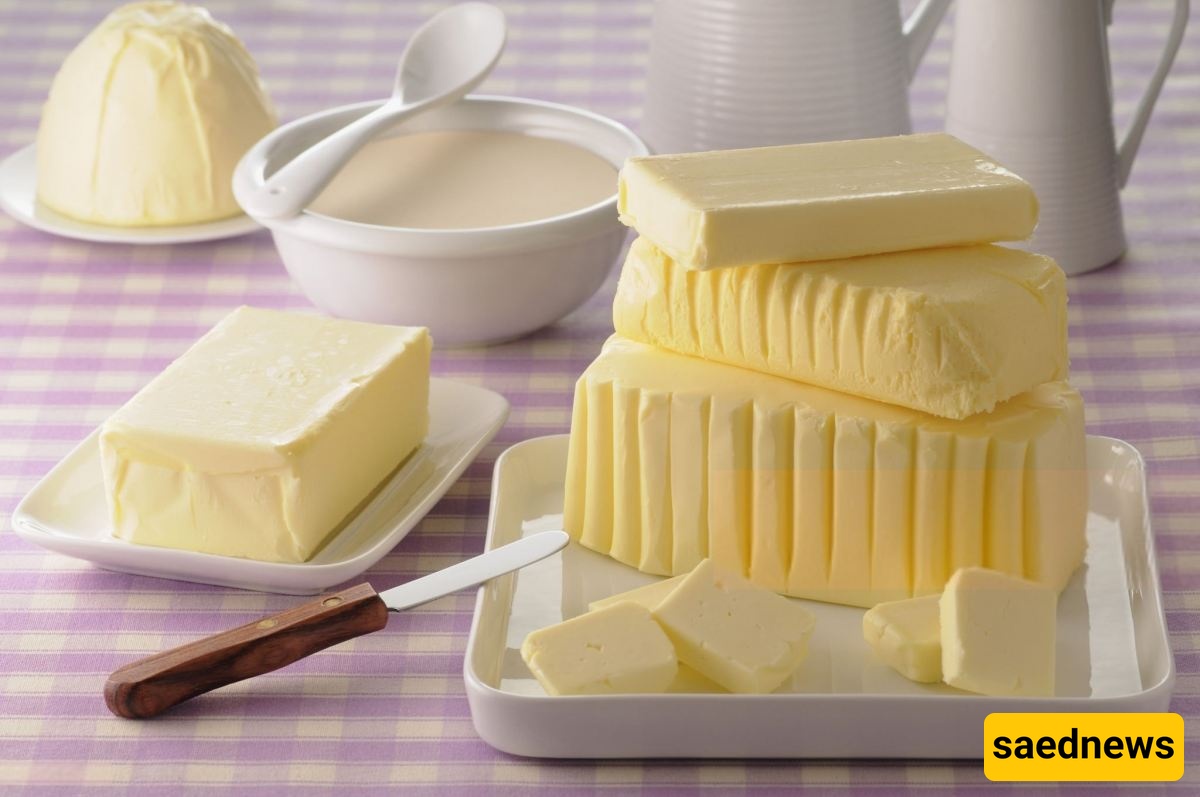
Primarily made from vegetable oils and may contain no dietary cholesterol.
Often contains less saturated fat than traditional butter, depending on its formulation.
Available in full-fat, reduced-fat, and low-fat varieties.
Can be fortified with vitamins or ingredients such as plant sterols.
Usually undergoes more industrial processing and may contain additional ingredients to achieve its texture, stability, and flavor.
One of the main reasons people choose certain margarines over butter is their fat composition. Margarines made primarily with unsaturated vegetable oils may be a preferable option when replacing foods high in saturated fat. Some products also contain added plant sterols, which can help reduce the absorption of dietary cholesterol.
However, the overall nutritional profile of the product is more important than simply whether it contains cholesterol.
People following vegetarian or vegan diets can choose margarines made entirely without animal-derived ingredients. Some products may also provide an alternative for individuals avoiding lactose or dairy proteins, although labels should always be checked because not every margarine is completely dairy-free.
Margarine is produced with different fat levels, such as 80%, 70%, 60%, or lower. This gives consumers flexibility when selecting a product based on cooking needs, calorie intake, and personal dietary preferences.
Depending on the formulation and storage conditions, margarine may have a longer shelf life than traditional butter. Its composition and manufacturing process can also provide greater product stability.
Vegetable-oil-based spreads can be less expensive to produce than pure dairy butter, making them an economical choice for many households.
Plant-based foods can have a lower environmental impact than some animal-based foods, although the actual impact of margarine depends on the oils used, agricultural practices, processing, transportation, and packaging. Sustainability should therefore be assessed on a product-by-product basis.
Historically, partially hydrogenated oils were a major source of industrial trans fats. High consumption of trans fats is associated with negative health effects, particularly cardiovascular risk. Although many modern margarine products have eliminated or substantially reduced industrial trans fats, consumers should still check the nutrition label and ingredient list.
Look for products with 0 g trans fat per serving and avoid products containing partially hydrogenated oils.
Margarine may contain emulsifiers, flavorings, colorings, stabilizers, and other ingredients designed to improve taste, texture, and shelf life. The presence of these ingredients does not automatically make a product unhealthy, but consumers who prefer minimally processed foods may wish to choose products with simpler ingredient lists.
Dairy butter naturally contains certain compounds and nutrients that are not necessarily present in margarine. Although many margarines are fortified with vitamins such as A and D, their nutritional composition depends heavily on the specific formulation.
Not all plant-based spreads have the same nutritional profile. Some products may contain relatively high amounts of saturated fat, particularly when made with certain tropical oils. A product described as “light” or “reduced-fat” is not automatically the healthiest option.
Always examine the full nutrition label, including saturated fat, trans fat, total calories, and the types of oils used.
Taste is subjective, but many consumers find that margarine does not fully reproduce the flavor and aroma of traditional dairy butter.