SAEDNEWS: Plane leaf distillate is a popular herbal beverage in traditional Iranian medicine. It is produced by distilling the leaves of the plane tree and has attracted considerable attention for its potential anti-inflammatory and antioxidant properties, as well as its possible role in helping regulate blood sugar levels.
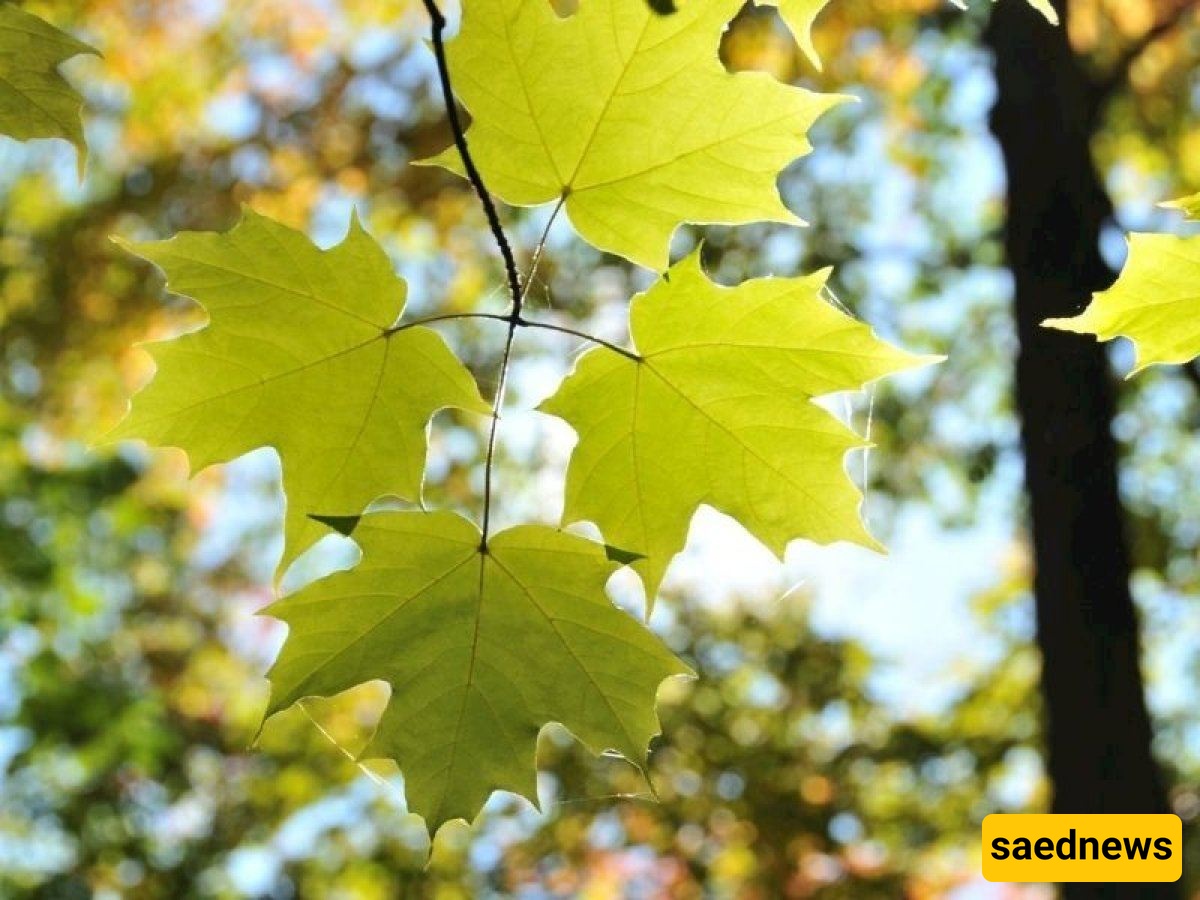
According to Saednews, Plane leaf distillate is a popular herbal beverage in traditional Iranian medicine, produced by distilling the leaves of the plane tree (Platanus orientalis). It has attracted attention in recent years because of its purported anti-inflammatory, antioxidant, and blood-sugar-regulating properties. This article explores what plane leaf distillate is, its reported active compounds, traditional uses, suggested consumption, and important safety considerations.
Plane leaf distillate is a herbal product obtained by distilling fresh or dried plane tree leaves. During the process, the leaves are heated with steam in traditional or industrial distillation equipment. Water-soluble and volatile plant compounds are carried along with the steam, then condensed and collected as a clear, aromatic liquid.
The resulting distillate contains relatively mild concentrations of plant compounds compared with concentrated extracts and is traditionally consumed as a herbal beverage.
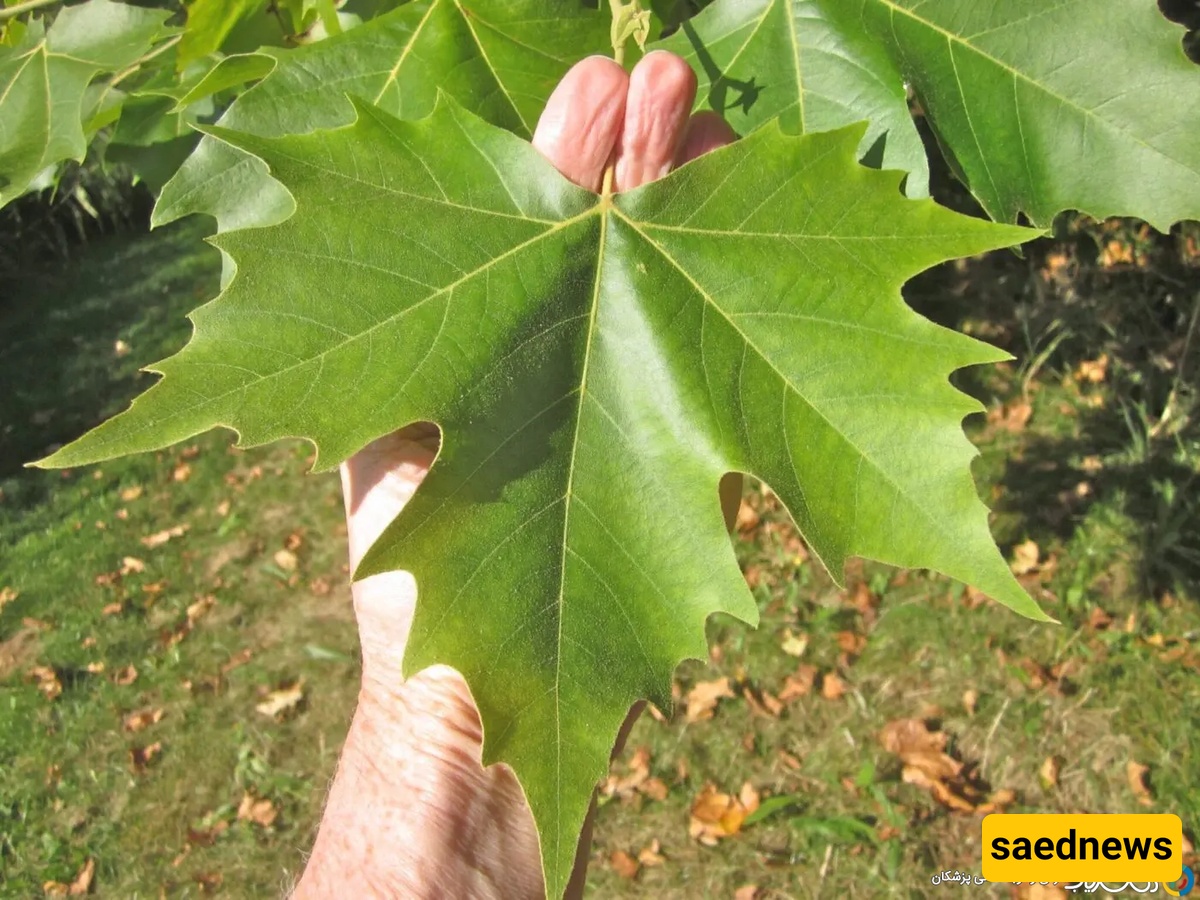
The plane tree is native to parts of the Mediterranean and Middle East and is widely found in Iran. Its broad, palmate leaves have historically been used in Iranian and European traditional medicine for wounds, skin inflammation, and digestive complaints. Modern botanical research has identified a range of biologically active compounds in plane leaves, although evidence for many of the claimed health effects remains limited.
Plane leaves contain several biologically active compounds that may contribute to their traditional uses, including:
Flavonoids: Antioxidants such as quercetin and rutin that can help neutralize free radicals and protect cells from oxidative stress.
Tannins: Phenolic compounds with astringent and potentially anti-inflammatory properties.
Phenolic acids: Compounds such as chlorogenic acid that have been investigated for their possible effects on glucose metabolism and blood pressure.
Mucilage: Gel-like substances that may help soothe irritated mucous membranes and the digestive tract.
Volatile compounds: Essential oils and terpene-related compounds that may have antimicrobial or calming properties.
These compounds may work together, which is one reason plane leaf preparations have traditionally been regarded as multipurpose herbal remedies.
Traditional practices and some preliminary scientific studies suggest several possible health benefits. However, much of the available evidence comes from laboratory or animal research rather than well-designed human clinical trials.
One of the commonly reported traditional uses of plane leaf preparations is supporting healthy blood glucose levels. Animal studies have suggested that plane leaf extracts may reduce blood glucose in diabetic animals.
Compounds such as chlorogenic acid and flavonoids have been investigated for their potential effects on glucose absorption and insulin sensitivity. Nevertheless, plane leaf distillate should not be considered a treatment for diabetes or used as a replacement for prescribed medication.
The tannins and flavonoids found in plane leaves may have antioxidant and anti-inflammatory properties. Traditionally, plane leaf preparations have been used for various skin complaints and minor wounds.
Some people also use plane leaf distillate topically for irritated skin, minor burns, insect bites, and other superficial problems. However, evidence supporting these applications is limited, and products intended for consumption should not automatically be assumed to be sterile or suitable for application to open wounds.
In traditional practice, plane leaf distillate has sometimes been massaged into the scalp to support hair health and reduce hair shedding. Its plant compounds may have soothing effects on irritated skin.
There is currently insufficient clinical evidence to establish that plane leaf distillate can prevent hair loss or stimulate hair growth. Claims regarding antifungal effects against dandruff also require stronger human evidence.
Traditionally, drinking a small amount of plane leaf distillate after meals has been recommended for digestive discomfort, bloating, and indigestion.
The mucilage and other plant compounds found in plane leaves may have soothing effects on mucous membranes. However, claims that plane leaf preparations can treat conditions such as stomach ulcers or irritable bowel syndrome require further scientific investigation.
Plane leaves contain antioxidant compounds that may help neutralize free radicals in laboratory settings. Antioxidants are important components of a healthy diet, but this does not mean that drinking a particular herbal distillate can “detoxify” the body or prevent chronic diseases.
Claims that plane leaf distillate removes heavy metals or significantly improves liver and kidney function are not sufficiently established by clinical evidence.
Plane leaf preparations have also traditionally been associated with:
Fever relief
Soothing coughs and sore throats
Supporting healthy blood pressure
Supporting immune function
These applications are largely based on traditional use or preliminary research, and stronger human studies are needed before firm health claims can be made.
There is no well-established, evidence-based standard dose for plane leaf distillate. Traditional recommendations may vary depending on the product and its intended use.
If you choose to consume a commercial product, follow the manufacturer's directions rather than assuming that a traditional dose is universally appropriate. People taking medication for diabetes, blood pressure, or other chronic conditions should consult a healthcare professional before using it regularly.
Plane leaf distillate should be regarded as a herbal supplement, not a primary treatment for serious medical conditions.
Although herbal distillates may appear harmless, natural products can still cause adverse effects or interact with medications.
Pregnancy and breastfeeding: There is insufficient reliable evidence regarding the safety of plane leaf distillate during pregnancy or breastfeeding. Avoid routine use unless advised by a healthcare professional.
Diabetes: If the preparation genuinely affects blood glucose, combining it with glucose-lowering medication could potentially increase the risk of hypoglycemia. People with diabetes should monitor their blood glucose carefully and discuss regular use with their clinician.
Low blood pressure: Individuals with naturally low blood pressure should be cautious about consuming large amounts if the product has blood-pressure-lowering effects.
Allergic reactions: People sensitive to plane trees or their pollen may potentially react to plane-derived products. Stop using the product and seek medical attention if symptoms such as significant swelling, difficulty breathing, or a severe rash occur.
When purchasing plane leaf distillate, consider the following:
Choose reputable products: Look for products with clearly stated ingredients and avoid unnecessary additives, excessive sugar, or undisclosed ingredients.
Check the packaging: Dark glass containers can help protect plant compounds from light.
Check the production and expiry dates: Do not use products that are past their stated shelf life.
Store appropriately: Keep the product in a cool, dry place away from direct sunlight. Follow the manufacturer's instructions regarding refrigeration after opening and how quickly the product should be consumed.
Research has investigated various biological activities of plane tree leaves, including antioxidant and anti-inflammatory effects. Some experimental studies have also reported potential effects on blood glucose in animal models.
However, promising laboratory or animal findings do not automatically demonstrate that the same effects occur in humans drinking a traditional herbal distillate. In addition, the chemical composition of a distilled product can vary considerably depending on the plant material, harvesting conditions, and distillation method.
More high-quality human clinical trials are therefore needed to determine the effectiveness, appropriate dosage, and long-term safety of plane leaf preparations.
Plane leaf distillate has a long history in traditional herbal medicine and contains plant-derived compounds with potentially interesting biological properties. Its traditional uses include supporting digestion, skin health, and general wellness, while preliminary research has explored antioxidant, anti-inflammatory, and blood-glucose-related effects.
Nevertheless, many of the stronger health claims surrounding this herbal drink have not yet been adequately confirmed in human studies. It is best viewed as a traditional herbal product rather than a proven medical treatment, and it should not replace prescribed medicines or evidence-based medical care.