SAEDNEWS: Noise pollution is one of the major problems of modern life, and it can cause serious physical and psychological effects. In this article, we explore its various consequences and ways to reduce its impact.

According to Saednews, Although many people believe that air pollution is the only dangerous form of environmental pollution, noise pollution can sometimes be even more harmful. Prolonged exposure to excessive and disturbing sounds can cause serious physical and psychological problems. But what exactly is noise pollution?
Noise pollution refers to any continuous, loud, unpleasant, or disturbing sound that exceeds a person's ability or tolerance to endure it.
Noise pollution can cause numerous physical and psychological problems, including:
Headaches
Nausea
Aggressive behavior
Reduced tolerance and patience
Unexplained feelings of anger
Migraine attacks
Difficulty concentrating and confusion
Stress-related stomach pain
Tinnitus and ringing in the ears
Increased family conflicts
Vision problems and dizziness
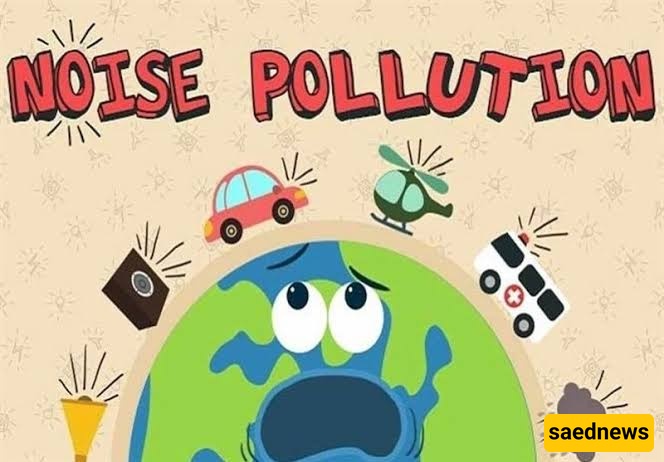
Whether we like it or not, living in large cities without exposure to noise pollution is almost impossible. Even while sitting at a desk in an office, sounds from visitors, conversations between colleagues, street noise, car horns, mobile phone notifications, and even the sounds associated with the work we are doing can contribute to noise pollution.
Some useful ways to reduce the effects of noise pollution include taking occasional trips to quiet places, practicing meditation and yoga, taking cold showers, and reading.
As mentioned earlier, noise pollution is largely a product of industrial and technological development. In ancient times, historical and literary works described the most frightening sounds as natural sounds, such as thunder, storms, volcanic eruptions, earthquakes, and the roaring of wild animals.
On the other hand, the sounds of birds such as nightingales, canaries, parrots, and other birds were considered among the most pleasant and enjoyable sounds. These natural sounds have long inspired poets and writers.
However, in the modern era, advances in technology—particularly in the military and industrial sectors—have enabled humans to produce sounds of extremely high intensity. The discovery and use of explosives such as dynamite and gunpowder, as well as nuclear technology, have created levels of noise that were previously uncommon in nature.
In addition, the development of military equipment and modern transportation, including missiles, tanks, aircraft, trains, ships, and various vehicles, along with industrial machinery and factories, has significantly increased the level of noise pollution.
Humans have also developed powerful sound equipment, including loudspeakers and devices that greatly amplify sound waves. Technologies such as radio, television, and telephones have brought sound directly into homes, often operating for many hours each day. Many of these constant sources of artificial sound did not exist in people's daily lives several decades ago.
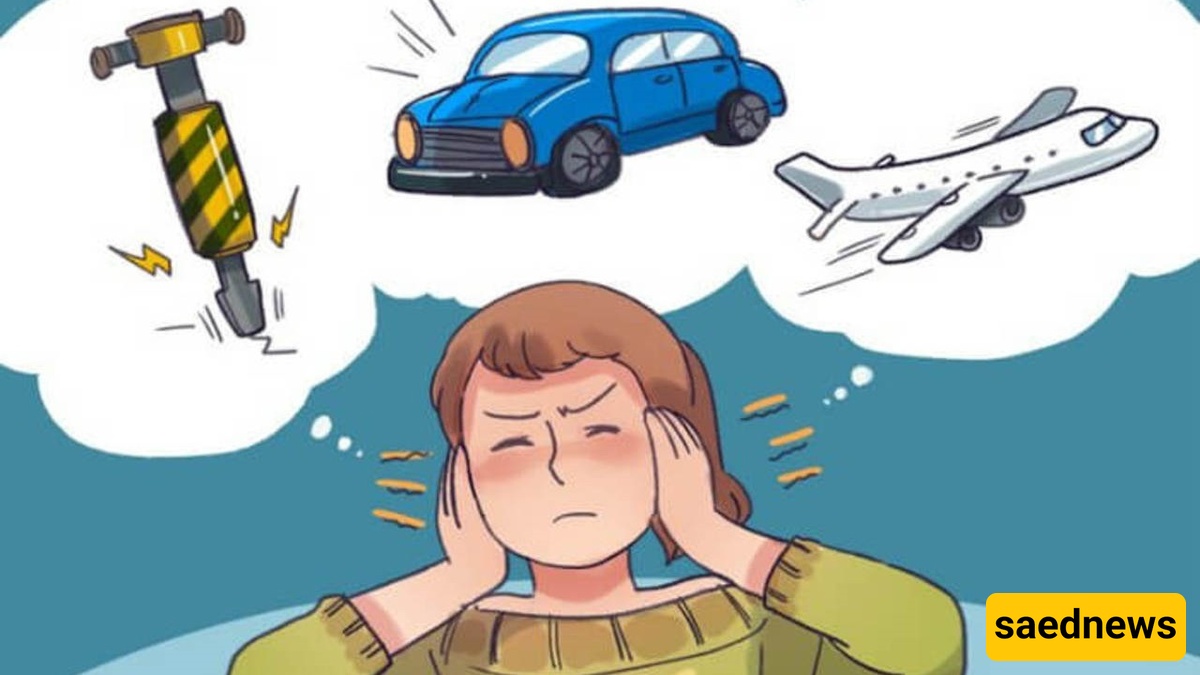
Noise pollution affects human health in two main ways:
Just as air pollution can negatively affect the lungs, sounds produced at intensities above approximately 85 decibels can damage the ears. Prolonged exposure to excessive noise may lead to hearing loss and, in severe cases, permanent deafness. Extremely intense sounds can even cause the eardrum to rupture, resulting in serious hearing damage.
People who are exposed to unnatural or high-intensity sounds for long periods may experience negative effects on their nervous system and mental well-being. Their level of irritability may increase, while their tolerance for stress and conflict may decrease. As a result, even minor arguments can lead to aggressive or physical confrontations. Long-term exposure to intense noise can also contribute to psychological and behavioral disorders.
People exposed to extremely powerful sounds, such as shock waves from explosions or sonic booms, may experience particularly serious psychological effects.
To reduce noise pollution and its harmful effects on people's lives, the following measures should be considered:
Noise-control standards should be applied during the manufacturing of motorcycles, passenger vehicles, trucks, and other sources of transportation noise.
Noisy businesses and workshops, such as blacksmithing, auto body repair, welding, pressing, and machining facilities, should be located away from residential areas.
The construction and operation of highly noisy industrial factories in residential areas should be prevented.
Intercity railway stations, airports, passenger terminals, military bases, transport depots, and similar facilities should be located away from densely populated residential areas whenever possible.
Old and excessively noisy cars, trucks, trains, aircraft, and other transportation vehicles should be removed from service.
Public awareness should be increased to encourage people to use public transportation and reduce reliance on private cars and motorcycles that contribute to noise pollution.
Traffic police, quality-control companies, and regulatory organizations should strictly enforce laws and standards against those responsible for excessive noise pollution.
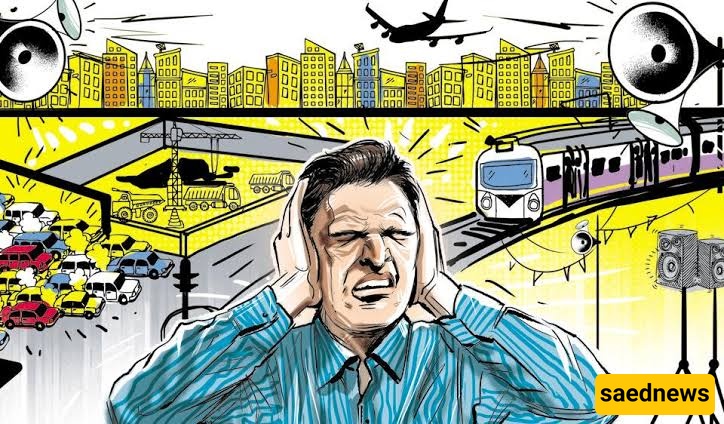
Noise pollution, like air pollution, can have serious consequences for society and may have particularly harmful effects on future generations. By following environmental standards, reducing unnecessary noise, and supporting effective regulations, we can help create healthier and more peaceful communities.